








In a period of significant turbulence for medical technology giant Hologic, the company is facing a dual crisis involving regulatory warnings, product recalls, and a high-profile transition to private ownership. As the firm navigates these operational challenges, healthcare providers are being urged to exercise heightened vigilance regarding patients previously implanted with the company’s BioZorb radiographic markers, while the industry watches to see how new leadership will steer the organization through a complex landscape of safety concerns and supply chain disruptions.
Main Facts: The BioZorb and Biopsy Needle Crisis
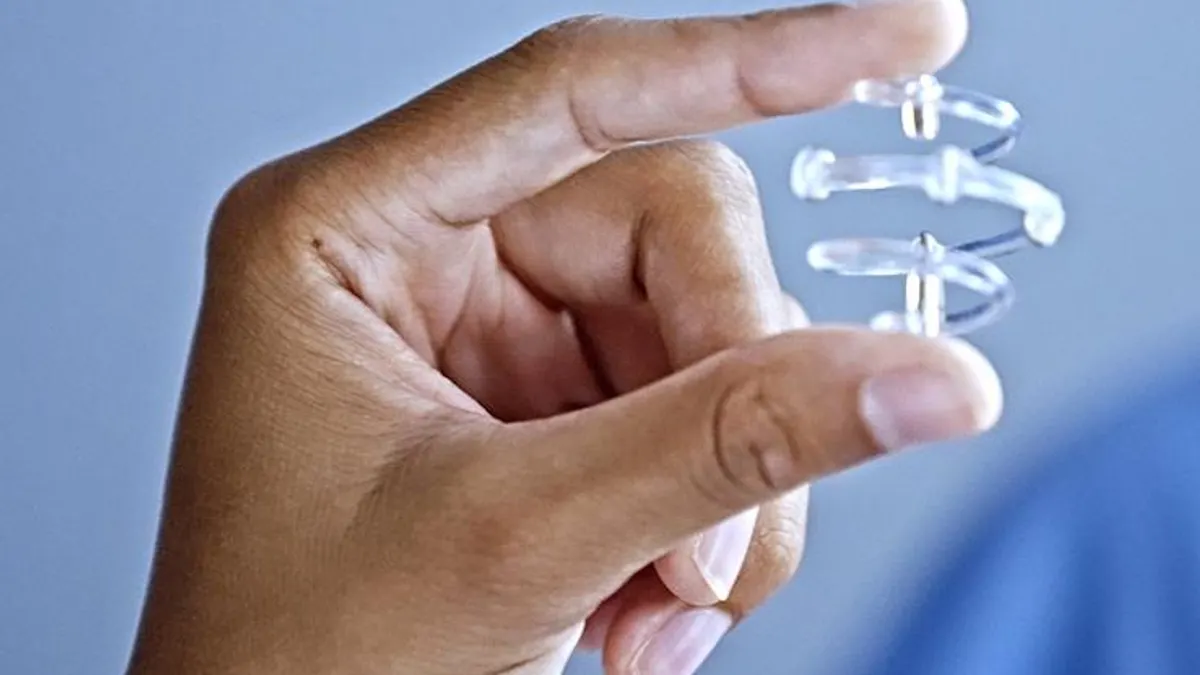
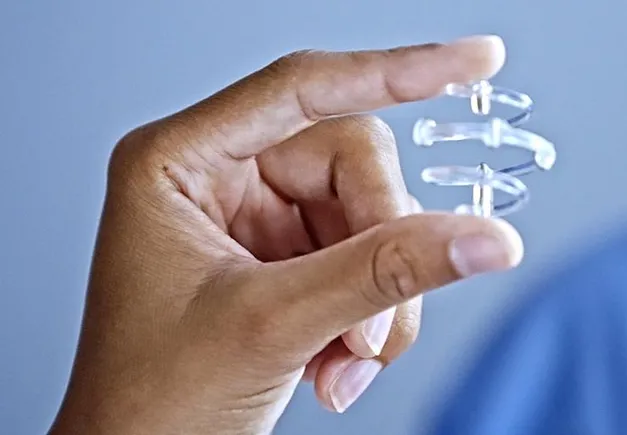
The primary focus of recent regulatory scrutiny centers on the BioZorb, a radiographic marker once widely used to mark the site of breast tissue excision. Despite Hologic’s decision to cease the manufacturing and distribution of these markers as of September 2024, the legacy of the device remains a significant clinical concern.
The Food and Drug Administration (FDA) issued a formal warning letter to Hologic in December 2025, underscoring deep-seated issues within the company’s quality management systems. The agency’s findings highlighted a failure to adhere to mandatory design requirements and pointed to systemic deficiencies in the company’s corrective and preventive action (CAPA) processes.
Simultaneously, Hologic is contending with a critical Class II recall involving its Brevera 9-gauge biopsy needles. This recall, initiated in January, has triggered widespread concern across the oncology and diagnostic imaging sectors. The issue stems from the potential for metal and plastic particulate matter to be deposited into breast tissue during biopsy procedures. Because the Brevera system is a staple in many clinical settings, the total market withdrawal of all lots has exacerbated a national shortage of biopsy equipment, complicating the diagnostic pathway for countless patients.
Chronology: A Timeline of Operational Challenges
The current sequence of events reflects a challenging trajectory for Hologic over the last 18 months:
- September 2024: Hologic officially terminates the production and shipment of BioZorb radiographic markers following mounting clinical and regulatory pressure.
- December 2025: The FDA issues a formal warning letter to Hologic, citing severe non-compliance regarding the design and manufacturing of the BioZorb devices.
- January 2026: Hologic announces a Class II recall for its Brevera 9-gauge biopsy needles, citing the risk of foreign material (metal and plastic) contamination in patient tissue.
- April 2026: The acquisition of Hologic by private equity firms Blackstone and TPG is finalized in a landmark $18.3 billion deal.
- Post-Acquisition (April 2026): Long-time CEO Steve MacMillan steps down, and former Baxter International leader José Almeida assumes the role of CEO to lead the company through its transition to private ownership.
Supporting Data and Technical Context
The BioZorb device was marketed as an innovative solution for breast-conserving surgery, intended to provide a permanent, three-dimensional marker for future imaging and radiation therapy planning. However, reports regarding the device’s performance and long-term biocompatibility led to an investigation by regulatory bodies.
The FDA’s warning letter regarding the BioZorb is particularly damaging because it touches upon the fundamental "design requirements"—the bedrock of medical device safety. When a manufacturer fails these benchmarks, it suggests that the product may not have been sufficiently vetted for the biological stressors of long-term implantation.
Regarding the Brevera needle recall, the "Class II" designation is significant. Under FDA guidelines, a Class II recall is used for products that may cause temporary or medically reversible adverse health consequences, or where the probability of serious adverse health consequences is remote. However, the resulting shortage of these specialized needles is projected to last well into 2027, creating a bottleneck in breast cancer screening and diagnostic services. For healthcare facilities, this means longer wait times for biopsies, which can translate into delayed diagnoses and increased patient anxiety.
Official Responses and Strategic Shifts
The transition to private ownership under Blackstone and TPG marks a fundamental shift in Hologic’s strategic direction. The arrival of José Almeida—a veteran of the healthcare manufacturing sector known for his rigorous approach to operational efficiency—is widely interpreted as a signal that the new owners intend to prioritize quality control and supply chain resilience.
While Hologic has not issued a detailed public rebuttal to the FDA’s specific findings in the December warning letter, the company has communicated through regulatory filings that it is cooperating fully with the agency. The discontinuation of the BioZorb line is a clear attempt by the company to mitigate liability and pivot away from high-risk product categories that have become a drain on resources.
"The company’s priority remains the safety of the patients who rely on our technologies," a spokesperson stated in a recent briefing. "We are committed to rectifying the systemic issues identified by the FDA and ensuring our manufacturing processes meet the highest global standards."
Implications for Healthcare Providers and Patients
For clinicians, the current situation requires a proactive approach to patient management. Doctors are encouraged to maintain long-term monitoring of patients who have received the BioZorb implant, keeping an eye out for any signs of discomfort or complications. While there is no immediate "mass removal" directive, the standard of care has shifted toward increased observation.

Clinical Considerations:
- Monitoring: Healthcare providers should review the records of patients implanted with BioZorb to ensure they are aware of the manufacturer’s withdrawal and the associated regulatory concerns.
- Alternative Procurement: With the Brevera needle shortage expected to persist, hospital administrators and purchasing departments are currently scrambling to qualify alternative biopsy systems. This involves not only sourcing new hardware but also retraining clinical staff on different procedural workflows.
- Diagnostic Delays: The shortage of biopsy needles creates an indirect but profound risk to public health. Clinics are advised to prioritize urgent cases to ensure that patients with suspicious findings receive diagnostic confirmation without undue delay.
Financial and Market Implications:
The $18.3 billion acquisition by Blackstone and TPG represents one of the largest private equity takeovers in the medical device sector in recent years. Moving the company private removes the quarterly pressure of Wall Street earnings calls, which may allow the new leadership team the "breathing room" necessary to invest in deep-seated structural reforms. However, the loss of transparency associated with a private company means that future updates regarding the remediation of these manufacturing issues may be less frequent and less detailed than they were under public scrutiny.
Conclusion: A Path Toward Restoration
The challenges facing Hologic are multifaceted, involving both the legacy of past manufacturing processes and the immediate hurdles of a disrupted supply chain. For the healthcare industry, the company’s ability to resolve these regulatory concerns under the leadership of José Almeida will be a litmus test for the effectiveness of private equity management in the highly regulated medical device space.
As the industry looks toward 2027, the focus remains on the "clean-up" phase. Whether Hologic can regain its reputation for innovation while simultaneously satisfying the rigorous demands of the FDA will define its success in this new era. For now, hospitals, surgeons, and patients remain in a state of cautious vigilance, awaiting the successful resolution of these recalls and the restoration of a stable, reliable supply chain for essential diagnostic tools.
As the company continues to navigate these turbulent waters, the medical community will be watching for tangible improvements in the quality management systems that were deemed insufficient by federal regulators. The road ahead for Hologic is one of remediation and rigorous oversight, a necessary process to ensure that the patient safety standards the industry relies upon are fully upheld.