










For millions of older Americans struggling with obesity, the promise of GLP-1 agonists—a class of medications that have revolutionized weight-loss treatment—has long been tempered by a harsh reality: an exorbitant price tag. Often costing hundreds of dollars per month, these drugs have remained largely out of reach for retirees living on fixed incomes. However, a significant shift in federal policy has arrived.
Starting this week, the Centers for Medicare & Medicaid Services (CMS) has officially launched the "Medicare GLP-1 Bridge," a landmark trial program designed to provide affordable access to brand-name weight-loss medications for eligible Medicare and Medicare Advantage beneficiaries. By capping costs at $50 per month, the federal government is attempting to bridge the gap between medical necessity and financial feasibility.
The Mechanics of the Bridge Program
The Medicare GLP-1 Bridge is a temporary, multi-year initiative scheduled to run through December 31, 2027. It represents the first time the federal government has directly intervened to subsidize these medications when used specifically for weight loss, rather than as a secondary treatment for conditions like type 2 diabetes.
Under the terms of the program, beneficiaries who meet specific clinical criteria can access a curated list of FDA-approved weight-loss medications for a flat monthly fee of $50. The initiative aims to provide immediate relief to participants while simultaneously serving as a data-gathering exercise for CMS.
Eligibility and Clinical Requirements
The program is not a universal benefit; it is strictly targeted at those who meet specific health thresholds. To qualify, an individual must be enrolled in Medicare drug coverage and meet one of the following criteria:
- A Body Mass Index (BMI) of 35 or higher: This is considered the primary threshold for clinical obesity.
- A BMI of 27 or higher with a co-morbidity: Those with a lower BMI may qualify if they have an additional health condition, such as a history of heart attack or stroke, prediabetes, or other metabolic-related complications identified on the official CMS list.
Crucially, the program allows for "historical BMI" tracking. If a patient’s current BMI has dropped below the threshold due to successful weight loss, they can still qualify by providing documentation that their BMI met the required levels at the start of their GLP-1 treatment.
Exclusions and Navigational Challenges
The rollout of the program has highlighted the complex landscape of Medicare coverage. Individuals who already receive coverage for GLP-1 drugs for chronic conditions—such as type 2 diabetes, sleep apnea, or metabolic dysfunction-associated steatohepatitis—do not qualify for the Bridge program. Instead, these patients must continue to navigate their existing Part D insurance plans, which already cover these medications based on their specific diagnostic codes.
For those who do qualify, the process is clinical rather than administrative. Patients must work directly with their healthcare providers to obtain a prescription, which must then be submitted alongside a prior authorization form to ensure compliance with federal guidelines.
A Targeted Portfolio of Medications
The Bridge program currently covers a select group of GLP-1 agonists that have received FDA approval for chronic weight management. The portfolio includes:
- Eli Lilly’s tirzepatide (Zepbound): Available in KwikPen form.
- Eli Lilly’s orforglipron (Foundayo): An oral tablet formulation.
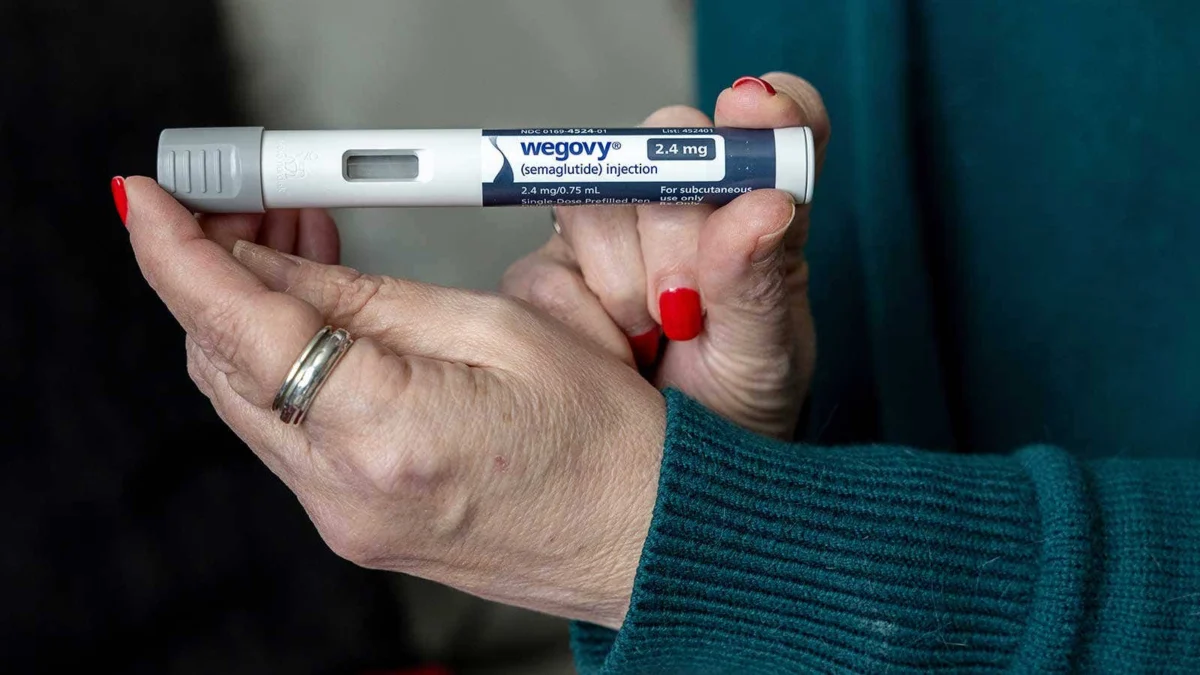
- Novo Nordisk’s semaglutide (Wegovy): Available both as an injectable and in tablet form.
CMS Administrator Mehmet Oz emphasized that the $50 monthly cost is a flat rate, regardless of the dosage prescribed. However, there is a notable financial caveat: these payments do not count toward a patient’s annual insurance deductible or their out-of-pocket maximums. Because the program is subsidized directly by Medicare rather than through private Part D insurers, the spending sits outside the traditional beneficiary cost-sharing structure.
The Economic and Clinical Rationale
The decision to launch the Bridge program follows years of intense lobbying by patient advocacy groups and a growing consensus among public health experts that obesity is a primary driver of chronic disease in the elderly.
Juliette Cubanski, PhD, MPH, vice president and director of the program on Medicare policy at the Kaiser Family Foundation (KFF), notes that the scale of the potential beneficiary pool is massive. Out of the 70 million Americans currently enrolled in Medicare, at least 10 million are classified as overweight or obese. While the Bridge program is not designed to accommodate all 10 million, it addresses a critical segment of the population that has been left behind by current market pricing.
Official Perspectives from CMS
In a briefing with reporters, CMS Administrator Dr. Mehmet Oz framed the program as a vital step in data-driven policy. "The sheer cost of these medications is a huge barrier to access," Oz stated. "That ends today."
When pressed on how many beneficiaries the agency expects to serve, Dr. Oz declined to offer specific projections, noting that the program’s primary utility lies in its ability to generate real-world evidence. By tracking how many eligible beneficiaries enroll and how they respond to the treatment, CMS hopes to build a business case for more permanent, long-term coverage solutions.
Looking Toward 2027: The Sunset Clause and Future Policy
The Bridge program is not a permanent fixture of the Medicare landscape. With a hard sunset date of December 31, 2027, the future of this coverage remains in the hands of Congress.
Currently, federal law does not authorize Medicare to cover drugs solely for weight loss on a permanent basis. This legislative limitation has forced CMS to get creative. Earlier this year, the agency attempted to move forward with a voluntary pilot program known as "BALANCE," which sought to incentivize private Part D insurers to cover these drugs. That program was indefinitely delayed after insurers expressed significant reluctance to participate due to the high financial risk associated with the drugs’ list prices.
Dr. Oz suggested that while permanent federal legislation would be ideal, the current focus is on the data. "We can’t decide what’s going to happen long term with Bridge until we see some of the data," he noted. He added that ongoing negotiations with pharmaceutical companies to lower drug prices could eventually render the Bridge program unnecessary or lead to a more sustainable, broader coverage model.
The Human Impact: Stories of Hope and Frustration
The introduction of the Bridge program has been met with a mixture of relief and lingering anxiety. For many, the drugs have been life-changing. Gloria Dralla, a 78-year-old California resident, shared her experience with the Associated Press, noting that she managed to lose 40 pounds by sourcing semaglutide abroad at a lower cost. For her, the Bridge program represents a safer, more sustainable way to maintain her health. "This drug should be made available at a reasonable price for everybody who’s got weight-loss problems," she said.
However, for others, the program’s eligibility requirements feel like a new wall. Katie Smith, a 71-year-old in Virginia, serves as a poignant example of the gaps that remain. With a BMI of 33 and a history of spinal cord injury that severely restricts her ability to engage in traditional exercise, Smith feels caught in a bureaucratic limbo.
"I cannot tell you how frustrated I am," Smith said. "I have the drive and I have the willingness and I have the motivation, but I have not been able to lose weight in all the conventional ways." Her struggle highlights the reality that for some, even with a government bridge, the cost of entry remains too high, or the criteria too narrow.
Implications for the Healthcare System
The launch of the Medicare GLP-1 Bridge program marks a paradigm shift in how the federal government views weight loss. By moving toward a model of active intervention, CMS is signaling that it views obesity not merely as a lifestyle issue, but as a chronic, treatable condition that—if addressed—could lead to significant long-term savings in the treatment of heart disease, diabetes, and other comorbidities.
However, the program also poses a significant risk to the Medicare budget. If the demand for GLP-1 agonists exceeds expectations, the financial burden on the agency could be immense, potentially complicating future negotiations with drug manufacturers.
As the program moves into its first phase, all eyes will be on the enrollment numbers and the health outcomes of the participants. For the 10 million older Americans currently living with obesity, the Bridge program is more than just a trial—it is a lifeline. Whether that lifeline becomes a permanent bridge or a fleeting experiment will depend on the data gathered over the next three years and the political will of a Congress currently tasked with balancing fiscal responsibility against the urgent health needs of an aging nation.