









In the evolving landscape of nutritional science, the mantra of "five servings of fruits and vegetables a day" has long served as the gold standard for public health. However, a groundbreaking international study published on June 8, 2026, in the journal Food and Function suggests that while quantity matters, the specific composition of those servings is arguably more critical.
The research—a collaborative effort involving experts from the University of Reading, Harvard Medical School, the University of California Davis, and Mars, Inc.—reveals a concerning "flavanol gap." Despite widespread awareness of healthy eating, fewer than 20% of the population consume enough flavanols—bioactive compounds essential for cardiovascular longevity—to reap their full protective benefits.
Main Facts: The Power of Specificity
The study, which analyzed dietary biomarkers from more than 30,000 individuals across the United Kingdom and the United States, challenges the conventional wisdom that all fruits and vegetables are created equal regarding heart health.
Flavanols, a subgroup of flavonoids found in plant-based foods, are renowned for their ability to improve vascular function, lower blood pressure, and reduce inflammation. Yet, the research indicates that even individuals who strictly adhere to recommended daily fruit and vegetable intake often fall woefully short of the 500-milligram daily threshold associated with a significantly reduced risk of cardiovascular death.
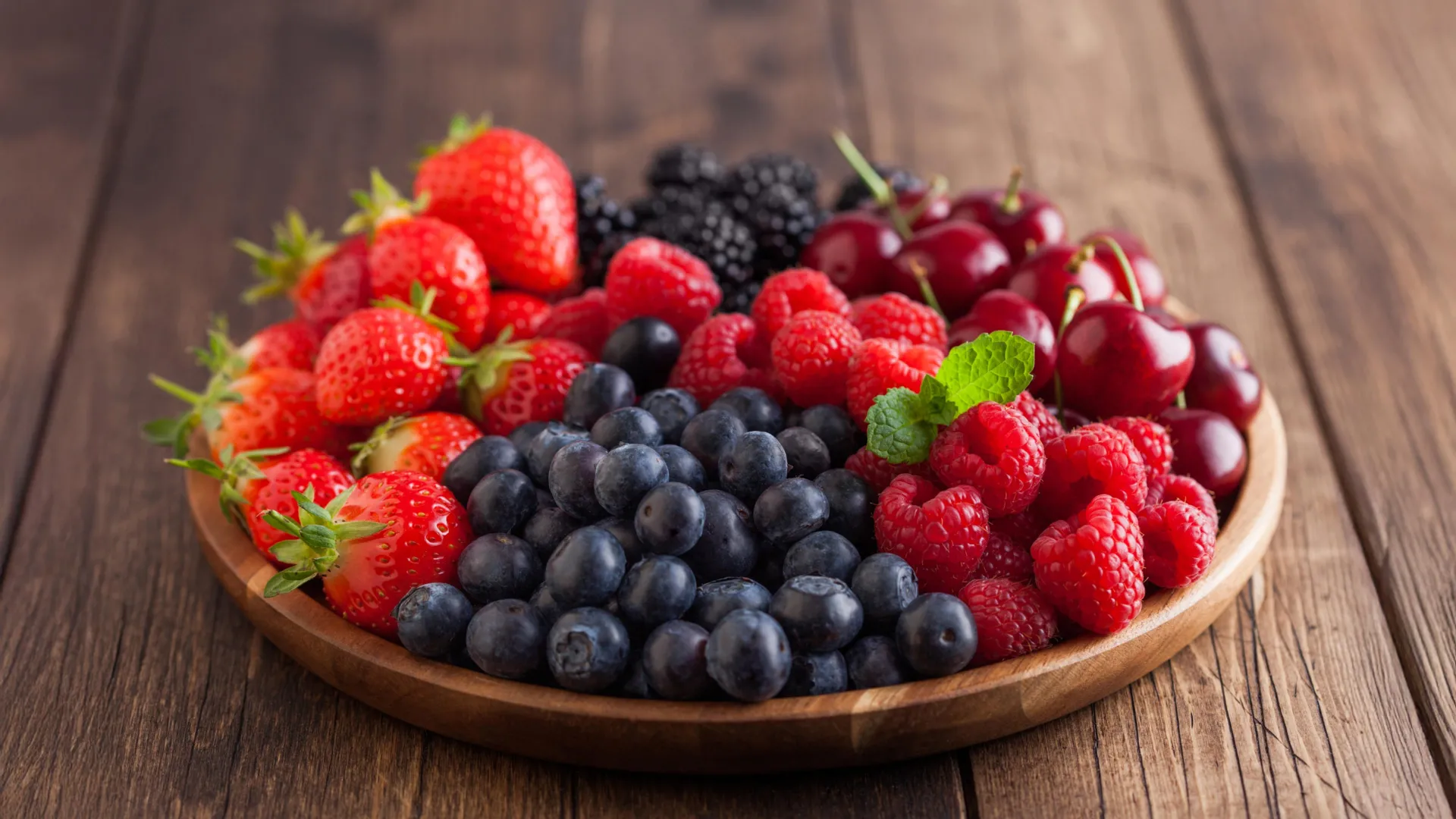
The central takeaway is clear: Nutritional quality is defined by molecular content, not just volume. To bridge the gap, experts suggest incorporating specific, flavanol-dense items—such as blueberries, plums, blackberries, broad beans, and cherries—into one’s daily routine, ideally paired with a cup of green tea to maximize absorption and intake.
Chronology of Discovery: From Clinical Trials to Public Health
To understand the gravity of these findings, one must look at the timeline of cardiovascular nutrition research.
- Pre-2020: Early epidemiological studies began identifying a correlation between diets high in cocoa and tea and lower rates of hypertension, pointing toward flavanols as the likely culprits.
- The COSMOS Trial: The Cocoa Supplement and Multivitamin Outcomes Study (COSMOS) served as a landmark moment in this field. As the largest clinical trial of its kind, it established that a daily intake of 500 mg of flavanols is a threshold for significant mortality reduction in heart disease patients.
- 2024–2025: Researchers began moving away from self-reported food diaries, which are notoriously prone to human error, and toward objective biomarker measurement. This allowed for a more accurate assessment of how much of these compounds are actually circulating in the blood.
- June 8, 2026: The current study was published, synthesizing data from 30,000 participants to prove that the "average" diet, even when seemingly "healthy," lacks the requisite flavanol density to meet the COSMOS-established standards.
Supporting Data: The Disconnect in Modern Diets
The data collected during the study paints a sobering picture of modern nutrition. While participants were generally aware of the benefits of produce, the research identified a systemic failure in current dietary guidance to emphasize which plants to consume.
The 20% Threshold
The study found that only one in five people reached the necessary flavanol intake. This suggests that the remaining 80%—even those eating five portions of produce—are consuming varieties that are low in these specific bioactive compounds.
Biomarker Analysis
By utilizing objective biomarkers, researchers were able to bypass the "guesswork" of typical nutrition surveys. They found that flavanol absorption varies wildly based on food source. For instance, while a banana or a serving of iceberg lettuce contributes to the "five-a-day" count, they offer negligible flavanols compared to the concentrated profiles found in dark berries and legumes.
The "500mg" Target
The 500-milligram daily goal is not merely an arbitrary number; it is a clinical benchmark. Data indicates that when intake falls below this level, the protective effect on the endothelium—the inner lining of blood vessels—diminishes significantly. This leads to stiffer arteries and a higher risk of hypertensive events over time.
Official Responses and Expert Commentary
The academic community has received these findings with both caution and excitement, viewing them as a necessary evolution of nutrition policy.
Dr. Javier Ottaviani, Lead Author:
"Flavanols can significantly reduce the risk of dying from cardiovascular disease, but only if you consume enough of them," Dr. Ottaviani stated. "Most people assume that eating plenty of fruit and vegetables covers this, but what this research shows is that the specific choices you make matter far more than the total amount. Including a handful of blackberries, a whole apple, or having a cup of green tea alongside your meal could make a real difference to how much of these beneficial compounds you actually consume and absorb."
Professor Gunter Kuhnle, University of Reading:
Professor Kuhnle, a co-author of the study, emphasized the need for a shift in public health communication. "Five-a-day is the right message, but we may need to think more carefully about which five. Different fruits and vegetables offer very different nutritional benefits beyond vitamins and minerals. As our understanding of these compounds grows, there is a real opportunity to make dietary guidance more specific and more effective."
Implications: A New Era of Targeted Nutrition
The implications of this research are far-reaching, potentially changing how hospitals, nutritionists, and government health bodies formulate dietary advice.
1. Reforming Dietary Guidelines
Current guidelines, such as the NHS Eatwell Guide or the USDA MyPlate, focus largely on broad food groups. The study suggests that these guides are outdated in their lack of granularity. A more effective approach would be to categorize produce by "bioactive density," ensuring that the public knows that a bowl of cherries provides a different functional benefit than a serving of melon.
2. The "Food as Medicine" Movement
As chronic disease rates remain high, the medical community is increasingly looking toward functional foods to supplement traditional pharmacology. This research supports the "food as medicine" movement, providing a clear, evidence-based roadmap for how patients can actively lower their cardiovascular risk through supermarket choices.
3. Food Industry Responsibility
The inclusion of Mars, Inc. in the research consortium highlights a shift in how food companies approach product development. There is growing pressure on the food industry to prioritize crops and products that retain high levels of phytonutrients, rather than focusing solely on shelf life or sugar content.
4. A Shift in Consumer Behavior
For the individual, the takeaway is empowering. Rather than feeling the need to radically overhaul their diet, people can simply "optimize" their current habits. By substituting a low-flavanol snack with a high-flavanol one, or pairing a meal with a cup of green tea, individuals can bridge the "flavanol gap" without significantly increasing their calorie intake.
Conclusion
The study published in Food and Function marks a pivot point in nutritional science. We are moving away from the era of "quantity-first" nutrition into an era of "targeted, functional" eating. While the "five-a-day" rule served as a necessary foundation for public health, it is no longer sufficient.
By understanding the vital role of flavanols—and actively seeking out the foods that provide them—we can transform our daily meals into a proactive defense against heart disease. As researchers continue to decode the complex relationship between our diet and our biology, one thing is certain: the future of heart health lies in the specific, small choices we make at the dinner table.