



Executive Summary: A New Era for Sleep Health
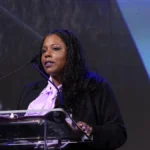
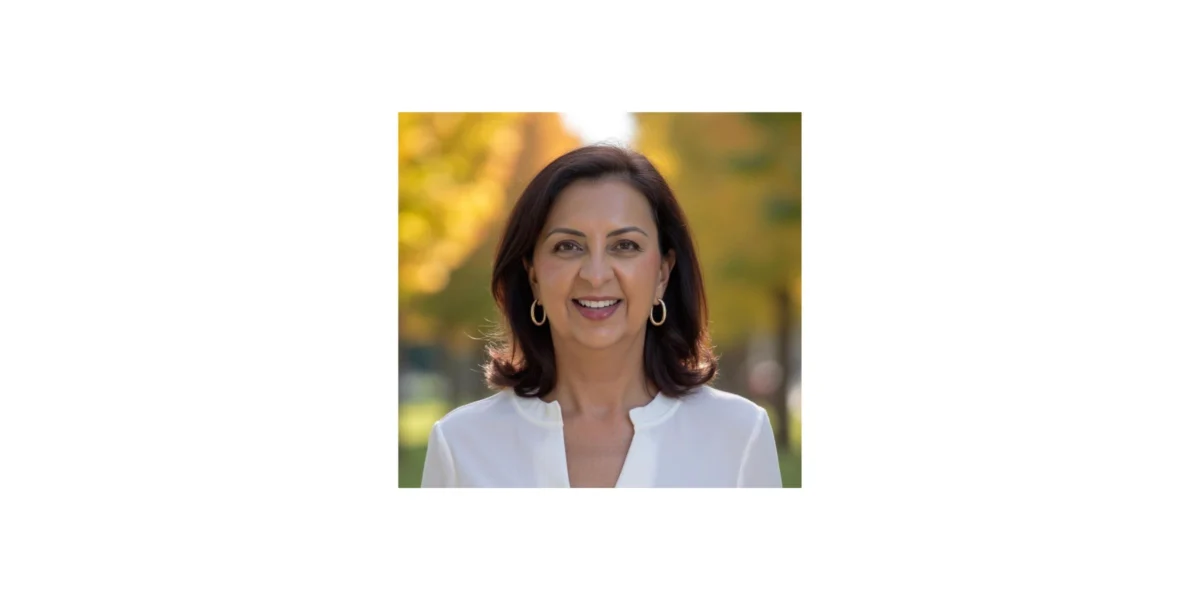
At the annual SLEEP 2026 conference in Baltimore, the American Academy of Sleep Medicine (AASM) officially inaugurated Fariha Abbasi-Feinberg, MD, FAASM, FAAN, as the new president of its board of directors. Her appointment marks a pivotal moment for the organization, which represents a diverse coalition of 9,500 physicians, scientists, and allied health professionals dedicated to the advancement of sleep health.
Dr. Abbasi-Feinberg steps into this leadership role with a clear mandate: to bridge the gap between complex clinical practice and the evolving regulatory landscape of modern healthcare. As the medical director of sleep medicine at the Millennium Physician Group in Fort Myers, Florida, she brings a unique, "boots-on-the-ground" perspective to an organization that is increasingly focused on patient-centered outcomes and systemic advocacy.
Chronology of Leadership and Clinical Excellence
Dr. Abbasi-Feinberg’s rise to the presidency of the AASM is the culmination of years of dedicated service to the field. Her career is defined by a commitment to both clinical excellence and the intricate administrative frameworks that keep medical practices running.
- Educational Foundation: A graduate of the Drexel University College of Medicine, she pursued rigorous post-graduate training, completing a neurology residency and a prestigious post-doctoral fellowship in EEG at the University of Maryland Medical System.
- The Path to Governance: Her formal leadership journey within the AASM began in June 2019, when she joined the board of directors. Prior to this, she established herself as a national authority on coding, compliance, and reimbursement.
- Committee Leadership: She has chaired the AASM Coding and Compliance Committee and the Alternative Payment Models Task Force—positions that required her to navigate the often-labyrinthine world of medical billing and insurance policy.
- National Influence: Beyond the AASM, she served as the academy’s advisor to the American Medical Association’s (AMA) Relative Value Scale Update Committee (RUC), where she advocated for the valuation of services essential to the sleep medicine specialty.
Supporting Data: The Landscape of Modern Sleep Medicine
The AASM serves a sprawling, multidisciplinary membership. With 9,500 members, the organization encompasses various sectors of the medical community, including neurologists, pulmonologists, otolaryngologists, and sleep scientists.
The Challenges of the Current Era
The field of sleep medicine is currently navigating a period of unprecedented transformation. Key factors contributing to this shift include:
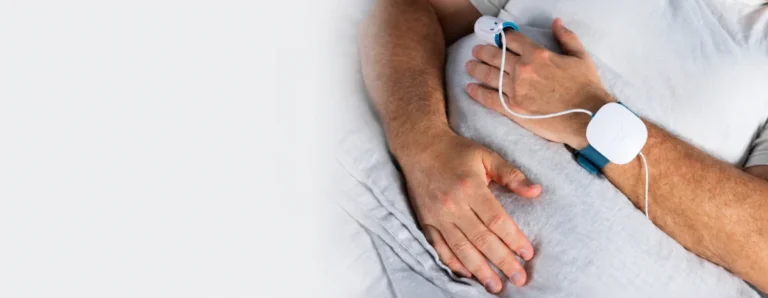
- Technological Integration: The rise of wearable health technology and home sleep apnea testing (HSAT) has democratized access to data but created challenges in quality control and data interpretation.
- Regulatory Hurdles: As healthcare shifts toward value-based care, sleep clinics are facing increased pressure to demonstrate tangible improvements in patient health outcomes rather than simply reporting volume-based service metrics.
- Workforce Sustainability: The demand for sleep services is surging due to an aging population and a growing awareness of conditions like obstructive sleep apnea (OSA) and insomnia. Ensuring that clinicians in both academic and private practice settings can meet this demand without succumbing to burnout is a primary strategic goal for the AASM.
Official Responses and Strategic Vision
In her inaugural address, Dr. Abbasi-Feinberg emphasized that her presidency would be defined by adaptability and evidence-based innovation.
"I have a strong interest in advocating for practical changes and advancements that will enable sleep clinicians in diverse settings to thrive and deliver high-quality care," Dr. Abbasi-Feinberg stated. She highlighted that sleep medicine is no longer a peripheral specialty; rather, it is a foundational pillar of systemic health.
The "Non-Academic" Perspective
Perhaps the most significant aspect of her leadership is her background in a private, non-academic setting. Unlike leaders who have spent their careers within the insulating walls of university hospitals, Dr. Abbasi-Feinberg has spent over two decades navigating the realities of private practice.
"Having spent my career practicing sleep medicine in a non-academic setting, I understand the real-world challenges our members face every day," she noted. "I am committed to advancing practical, patient-focused solutions that improve access to care and outcomes."
Her supporters within the AASM suggest that this background is exactly what the organization needs to address the "real-world" friction points—such as insurance denials, administrative burden, and the integration of new telehealth modalities—that impede the daily operations of sleep clinics.
Implications for the Future: Advocacy and Clinical Practice
The appointment of Dr. Abbasi-Feinberg signals a strategic pivot toward proactive advocacy. Under her guidance, the AASM is expected to focus on three core pillars:
1. Strengthening the Voice of the Clinician
The AASM intends to lobby more aggressively for health care policies that recognize sleep medicine as a vital specialty. This includes pushing for regulations that simplify the diagnosis and treatment of sleep disorders, ensuring that clinicians are fairly reimbursed for the complex cognitive work involved in analyzing sleep data.
2. Evidence-Based Innovation
Innovation in sleep medicine is moving faster than ever. From AI-driven diagnostics to new pharmacological treatments for narcolepsy and insomnia, the AASM must serve as the primary vetting body for these technologies. Dr. Abbasi-Feinberg’s focus is on ensuring that these innovations are not only technologically sound but also clinically applicable and equitable.
3. Patient-Centered Access
Access remains a critical issue in the field. Many patients in rural or underserved areas still lack access to board-certified sleep specialists. By championing adaptable practice models, the AASM aims to leverage technology and policy to expand the reach of sleep medicine, ensuring that a patient’s zip code does not dictate the quality of their sleep care.
Conclusion: The Path Forward
The election of Dr. Fariha Abbasi-Feinberg is a calculated step for the AASM. By elevating a leader with deep expertise in both the clinical and business aspects of medicine, the organization is positioning itself to be a more effective advocate for its members.
As the medical community continues to grapple with the long-term health implications of sleep disorders, the AASM’s role as an educator, regulator, and advocate will become increasingly central to public health. With Dr. Abbasi-Feinberg at the helm, the academy appears ready to meet these challenges with a focus on practical solutions that prioritize the well-being of the patient while protecting the sustainability of the sleep medicine profession.
As the industry looks toward the next phase of development, the message from the AASM leadership is clear: sleep care is health care, and it is time for the infrastructure of the American medical system to reflect that reality. Under Dr. Abbasi-Feinberg’s direction, the 9,500 members of the AASM have a president who is not just a clinician, but a strategist capable of turning policy into progress.
Quick Facts: Dr. Fariha Abbasi-Feinberg
- Current Position: Medical Director of Sleep Medicine, Millennium Physician Group.
- Board Certification: Sleep Medicine and Neurology.
- Key Focus Areas: Coding, compliance, reimbursement, and practice-based advocacy.
- AASM History: Board member since 2019; former chair of the Coding and Compliance Committee.
- Education: Drexel University College of Medicine (MD); University of Maryland Medical System (Residency/Fellowship).