The landscape of hip-hop, a genre historically rooted in bravado, resilience, and "the hustle," is undergoing a profound transformation. While the culture once demanded an unwavering facade of toughness, a new era of transparency is emerging. At the forefront of this shift are high-profile artists who have chosen to leverage their platforms to discuss a once-taboo subject: bipolar disorder. By integrating their mental health journeys into their lyrics and public personas, artists like Lil Nas X, Ye, and the late DMX are dismantling long-standing stigmas and fostering a more nuanced global conversation about psychiatric well-being.
Main Facts: A Paradigm Shift in Urban Music
Hip-hop has always functioned as a mirror to the human experience, reflecting the socio-economic and psychological realities of its creators. However, for decades, the "toughness" required to navigate the industry often suppressed honest dialogue regarding mental illness. Bipolar disorder, characterized by significant fluctuations in mood, energy, and activity levels, was frequently misunderstood or dismissed as erratic behavior.
The significance of these disclosures cannot be overstated. When global icons reveal their struggles with Bipolar I or Bipolar II, it provides a vital service to their audience, particularly within minority communities where mental health services are often underutilized due to cultural stigma and systemic barriers. The artists profiled below represent a cross-section of the industry—from underground legends to mainstream titans—each contributing a unique perspective on the intersection of creativity and chronic mental health challenges.
1. Lil Nas X: Navigating "Extreme Hard Mode"
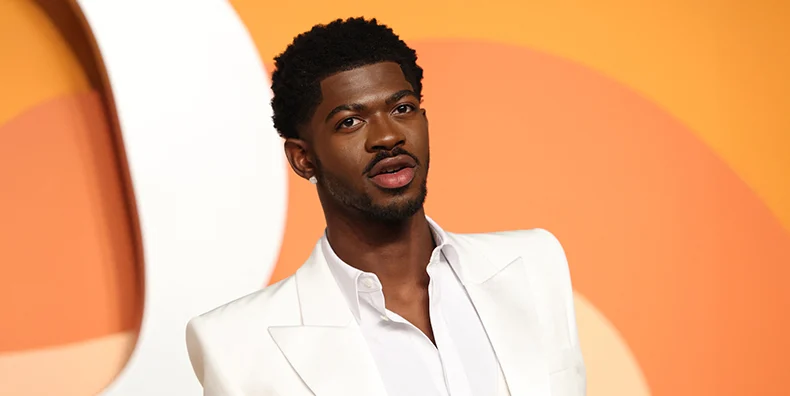
Montero Lamar Hill, known globally as Lil Nas X, has redefined the boundaries of hip-hop and country-pop. However, his most significant contribution may be his recent candor regarding his mental health. In June 2026, following a highly publicized legal struggle in Los Angeles, Hill revealed his bipolar diagnosis via social media. His disclosure was notable for its intersectional perspective; he famously quipped that being Black, gay, and bipolar felt like "living life on extreme hard mode."
His journey highlights the legal system’s evolving approach to mental health. Rather than traditional punitive measures following his 2025 arrest, a Los Angeles judge approved a two-year mental health diversion program. This emphasizes a shift toward rehabilitation, allowing the artist to work closely with therapists and psychiatrists while continuing his creative output.
2. Ye (Kanye West): The "Superpower" and the "Sprained Brain"
Perhaps no artist is more synonymous with the public face of bipolar disorder than Ye. His 2018 album, Ye, served as a definitive manifesto, featuring the cover art text: "I Hate Being Bipolar; it’s Awesome." Ye has oscillated between viewing his condition as a "superpower" that fuels his visionary creativity and describing it as a "sprained brain" that leads to intense paranoia and erratic public episodes. His transparency, though often polarizing, has forced mainstream media to move beyond "cancel culture" and engage with the complexities of manic-depressive cycles.
3. DMX: The Raw Reality of Trauma and Faith
The late Earl Simmons, or DMX, was the embodiment of raw vulnerability. Long before mental health was a trending topic, DMX’s discography was a visceral exploration of the pain stemming from early childhood trauma and what he later identified as bipolar disorder. His ability to debut two albums at No. 1 in a single year (1998) proved that the public was hungry for his brand of painful honesty. Until his passing in 2021, DMX remained a vocal advocate for the idea that one can be both a "tough" icon and a man struggling with internal demons.
4. Krizz Kaliko: The Clinical Perspective
Samuel William Christopher Watson, known as Krizz Kaliko, has been a pillar of the independent rap scene. Unlike some who use the diagnosis as a metaphor, Kaliko’s approach is clinical and direct. His track "Bipolar" on the album Genius provides a roadmap of the daily psychological weight of the condition. He has been particularly open about the necessity of a structured treatment plan, including psychotherapy and anxiety medication, providing a pragmatic model for fans who may be seeking help.
5. Charles Hamilton: Isolation and the Underground
Harlem-born Charles Hamilton was once the "next big thing" in hip-hop, but his career was frequently interrupted by the symptoms of his then-undiagnosed bipolar disorder. Hamilton has spoken at length about the "intense isolation" that defined his early career, where distrust of others led him to barricade himself in his studio. His story serves as a cautionary yet hopeful tale of how proper diagnosis can lead an artist back from the brink of self-imposed exile.
6. Yo Yo Honey Singh: Breaking International Barriers
In the Indian entertainment industry, where the stigma surrounding mental health is exceptionally high, Yo Yo Honey Singh’s 2016 disclosure was a watershed moment. After an 18-month disappearance from the public eye at the height of his fame, he revealed his battle with bipolar disorder and alcohol addiction. His return to the industry helped humanize psychiatric conditions in a culture that often views them through a lens of shame.
Chronology: The Evolution of Advocacy
The timeline of these disclosures illustrates a growing comfort with vulnerability within the genre:
- 1990s – Early 2000s: DMX and others began weaving themes of depression and "madness" into their lyrics, though often framed as spiritual warfare or environmental stress rather than clinical diagnoses.
- 2014-2016: A global shift occurs. Yo Yo Honey Singh disappears and re-emerges with a clinical explanation. Charles Hamilton begins discussing his diagnosis in Billboard, moving the conversation from the lyrics to the interview room.
- 2018: Ye releases his most personal work regarding his diagnosis, bringing the term "bipolar" into the daily lexicon of pop culture.
- 2025-2026: Lil Nas X represents the modern era of advocacy, where legal systems and social media platforms are used to document the recovery process in real-time, focusing on "creating freely" while managing a chronic condition.
Supporting Data: The Intersection of Art and Science
The relationship between high-level creativity and bipolar disorder is a subject of significant psychological study. According to the Journal of Affective Disorders, there is a statistically significant link between creative professions and mood disorders. For many rappers, the "hypomanic" phase of bipolar disorder can lead to bursts of high productivity, rapid-fire lyrical rhyming, and decreased need for sleep—traits that are often rewarded in the music industry.
However, the "depressive" phase can be career-ending without intervention. Data from mental health advocacy groups like NAMI (National Alliance on Mental Illness) suggest that BIPOC (Black, Indigenous, and People of Color) individuals are less likely to receive consistent care. The disclosures of these six artists are particularly vital because they target a demographic that is statistically underserved. When an artist like Krizz Kaliko discusses his medication, he is providing "social proof" that clinical intervention is not a sign of weakness, but a tool for longevity.
Official Responses and Industry Reception
The music industry’s response to these revelations has shifted from apprehension to support. Labels are increasingly providing mental health resources for their rosters, and major publications have moved away from sensationalist "meltdown" headlines toward more empathetic reporting.
Clinical professionals have also weighed in. Dr. Kay Redfield Jamison, a leading expert on bipolar disorder, has long noted that the "tortured artist" trope can be dangerous if it discourages treatment. Professional organizations have praised Lil Nas X’s "mental health diversion" program as a model for how the justice system should handle non-violent offenses involving individuals with psychiatric conditions. By prioritizing therapy over incarceration, the state acknowledges that mental health is a public health issue, not just a criminal one.
Implications: A New Standard for the Next Generation
The implications of these artists’ honesty are far-reaching. By speaking openly, they have created a "new normal" for the next generation of rappers. Vulnerability is no longer seen as the antithesis of hip-hop; it is now viewed as the ultimate form of "keeping it real."
- Reduction of Stigma: The more often the word "bipolar" is used in a non-pejorative sense by cultural leaders, the less power the stigma holds.
- Increased Health Literacy: Fans are learning the difference between "moodiness" and a clinical disorder, leading to earlier self-identification and treatment-seeking.
- Policy Change: The high-profile nature of Lil Nas X’s legal case may pave the way for more robust mental health diversion programs across the United States.
- Creative Longevity: By prioritizing stability over the "chaos" of untreated mania, artists are finding they can have longer, more sustainable careers.
As hip-hop continues to dominate the global charts, the voices of these six artists serve as a reminder that the most powerful lyrics aren’t always about the struggle with the world outside—they are often about the struggle within. Through their music and their lives, they are proving that a diagnosis is not a dead end, but a different path toward creative and personal fulfillment.