







Introduction: The Invisible Weather Report
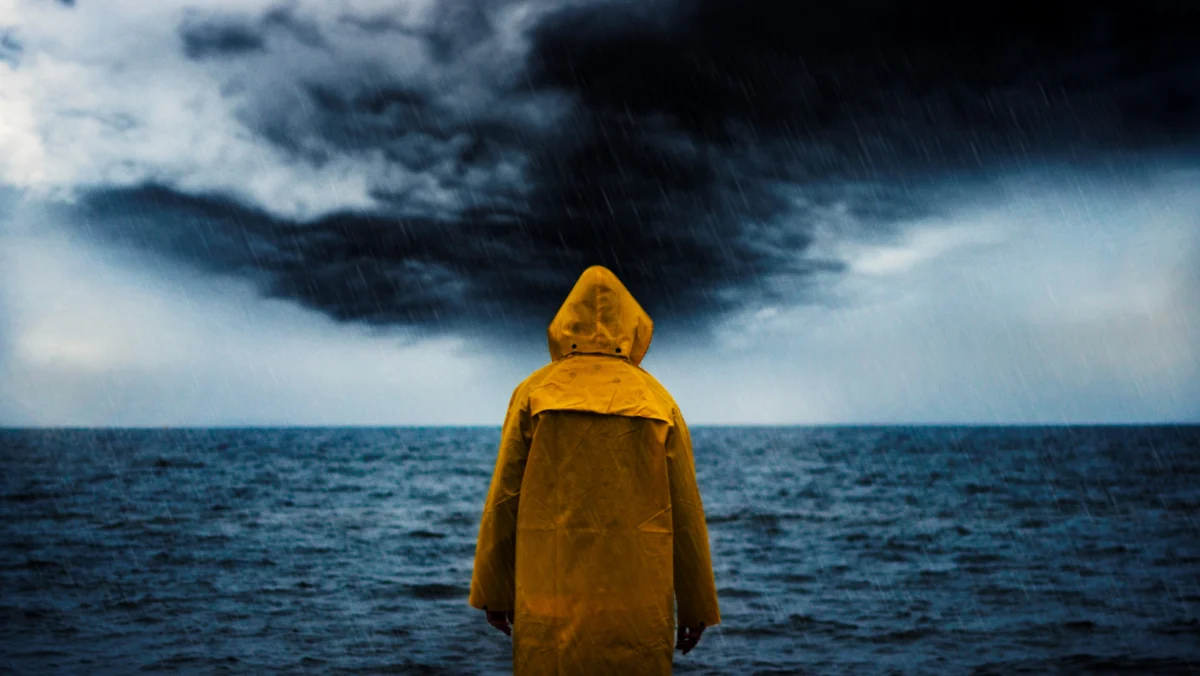
For millions of individuals navigating the complexities of progressive, chronic health conditions, the daily weather forecast is more than a guide for choosing an outfit; it is a clinical barometer for their physical well-being. While many see a storm on the horizon as a mere inconvenience, those living with conditions such as Ehlers-Danlos syndrome, rheumatoid arthritis, or chronic inflammatory disorders often experience the atmospheric shift as a physiological assault.
Ellen Lenox Smith, a prominent advocate and author, recently articulated the profound frustration that accompanies these meteorological changes. Her perspective offers a window into the reality of those who strive to maintain normalcy, only to have their bodily autonomy interrupted by the shifting pressures of the environment. This report explores the intersection of meteorology and chronic pain, examining the mechanisms of discomfort, the strategies for resilience, and the broader implications for public accessibility.
Main Facts: The Science of Atmospheric Pressure and Pain
The phenomenon of "weather-sensitive" pain is well-documented, though often misunderstood by the general public. When a storm approaches, the barometric pressure—the weight of the air surrounding us—drops. For individuals with compromised connective tissues or chronic inflammation, this drop in pressure acts as a physical catalyst.
The Biological Mechanism
When atmospheric pressure decreases, the air pushes less against the human body. This allows tissues—including muscles, tendons, and scar tissue—to expand. In a healthy body, this expansion is negligible. However, in bodies already grappling with inflammation or joint instability, this expansion can trigger a cascade of symptoms:
- Increased Inflammation: Swelling within joint capsules can lead to severe discomfort.
- Nerve Sensitivity: Expanding tissues can compress nerves, resulting in radiating pain or headaches.
- Proprioceptive Dysfunction: For those with hypermobility, the slightest change in joint pressure can lead to subluxations (partial dislocations) or full dislocations, as the joint environment becomes less stable.
Beyond the physical symptoms, there is the psychological toll. The "reminder" that one’s body is not functioning according to normative standards serves as a persistent, heartbreaking disruption to the mental focus required to live a productive, purpose-driven life.
Chronology: A Day in the Life of a Storm Cycle
To understand the impact of weather on chronic illness, one must look at the timeline of a typical storm cycle as experienced by someone with a progressive condition.
Pre-Storm Phase (The Warning):
Hours, or even days before the precipitation begins, the barometer starts its descent. The individual begins to experience early-warning symptoms: a dull headache, a sudden spike in fatigue, and an increase in systemic inflammation. This is the stage where the individual must begin to pivot their energy management strategies, moving from "active participation" to "crisis mitigation."
The Storm Event (The Struggle):
As the weather hits—whether it is snow, wind, or heavy rain—the physical environment becomes hostile. For someone with stability issues, snow is not a winter wonderland; it is a landscape of high-risk obstacles. Walking becomes dangerous. The simple act of traversing a sidewalk requires the kind of hyper-vigilance that is both mentally and physically exhausting.
The Recovery Phase (Waiting for the Sun):
Once the pressure stabilizes, the body begins a slow recovery process. However, the fatigue incurred during the storm often lingers. The "sun peeking out" is not just a meteorological event; it represents a return to a baseline where the body’s internal friction is reduced, allowing for a resumption of normal self-care routines.
Supporting Data: Chronic Illness and the Built Environment
The challenges posed by weather are exacerbated by an infrastructure that is rarely designed with the disabled community in mind. Data regarding accessibility reveals a systemic failure to account for those whose mobility is weather-dependent.
The Mobility Gap
According to advocacy groups, urban planning often treats snow clearance as a matter of convenience rather than a matter of basic civil rights. For a person with joint instability, an uncleared path is not just a nuisance; it is a hazardous barrier that effectively traps them in their home.
- Risk Factors: Slipping or sliding on icy surfaces for someone with connective tissue disorders often results in high-impact injuries. A simple slip can cause a hip dislocation, leading to months of rehabilitation.
- Metabolic Load: Chronic pain patients often rely on specific dietary and medicinal regimens to manage their condition. Stress induced by weather changes can increase the body’s metabolic demand, making it harder to maintain these regimens.
Official Responses and Medical Perspectives
The medical community is increasingly acknowledging the "barometric link." Rheumatologists and pain management specialists frequently advise patients to track their symptoms alongside weather patterns.
Clinical Guidance
While there is currently no way to "cure" weather sensitivity, clinical strategies focus on:
- Controlled Movement: Physicians emphasize the importance of core-strengthening exercises and modified movement (such as swimming in temperature-controlled water) to keep joints lubricated and stable.
- Adaptive Nutrition: Maintaining a diet that supports the metabolic needs of an inflamed body can help mitigate the severity of flare-ups.
- Cognitive Reframing: As suggested by advocates like Smith, the mental aspect of chronic illness is critical. Focusing on what one can control—nutrition, pacing, and mindset—is a recognized psychological tool to combat the feelings of helplessness that arise during a storm.
Implications: Building a More Resilient Future
The intersection of climate, disability, and public policy is an emerging area of concern. As climate change leads to more frequent and volatile weather patterns, the burden on the chronic pain community will likely increase.
Infrastructure and Advocacy
The implications are clear: we must design cities that prioritize accessibility regardless of the forecast. This includes:
- Aggressive Snow Removal Policies: Prioritizing residential paths to ensure that those with mobility issues are not marginalized during winter months.
- Universal Design: Creating environments that are safer for those with balance and stability issues, including better-lit, high-friction, and well-drained public pathways.
- Community Support: Recognizing that "disability" is often defined by the environment. If the environment is accessible, the disability becomes a manageable health condition rather than a life-defining limitation.
A Call for Empathy
Ultimately, the story of those living with chronic pain during a storm is a story of human endurance. It is a testament to the "fighters" who, despite the ache of atmospheric pressure and the fatigue of a persistent condition, continue to find purpose.
When we see the storm approaching, we should recognize that for many, this is a time of quiet battle. It is a time when the focus must turn inward, when the energy must be conserved, and when the desire for a "calmer day" is a basic human need for comfort.
Conclusion: Enduring Until the Sun Returns
The experience shared by Ellen Lenox Smith resonates deeply because it reflects a universal truth about the human condition: we cannot control the environment, but we can control our response to it.
For the millions of people worldwide navigating the intersection of chronic illness and atmospheric change, the strategy is simple but profound. It is about honoring the body’s needs, even when those needs feel like a weakness. It is about the discipline of core exercises, the consistency of healthy choices, and the resilience of a mind that refuses to be defined by a barometer.
As we move toward a future that demands greater accessibility and deeper understanding, we must carry this lesson forward. We must create a world that is kinder to the disabled—a world that understands that behind every person braving a storm is a fighter, working to hold it all together until the sun finally peeks through the clouds.
May life be kind to all who are currently weathering their own personal storms.
References and Further Reading:
- The Impact of Barometric Pressure on Joint Pain: A Review of Clinical Evidence.
- Advocacy for Inclusive Urban Planning: Addressing the Needs of the Mobility-Impaired.
- Psychological Resilience in the Face of Chronic Progressive Conditions.
- Lenox Smith, E. (2024). Personal reflections on managing life with chronic pain.