






By Catherine Schay, MHC-LP, CASAC-T
The clinical landscape of modern psychiatry is increasingly defined by the complexity of comorbidity. Among the most challenging presentations is the co-occurrence of Attention-Deficit/Hyperactivity Disorder (ADHD) and Substance Use Disorder (SUD). Individually, both conditions disrupt the neurobiological systems governing attention, impulse control, and executive functioning. When they converge, they form a self-reinforcing cycle that complicates every stage of the clinical process, from initial diagnosis to long-term recovery.
As research over the past decade has matured, the medical community has shifted from viewing these as isolated issues toward understanding them as deeply intertwined neurobiological conditions. This article explores the current clinical consensus on the intersection of ADHD and SUD, the barriers to effective diagnosis, and the emerging evidence that integrated, multimodal treatment is the gold standard for patient recovery.
1. Main Facts: The Neurobiological Overlap
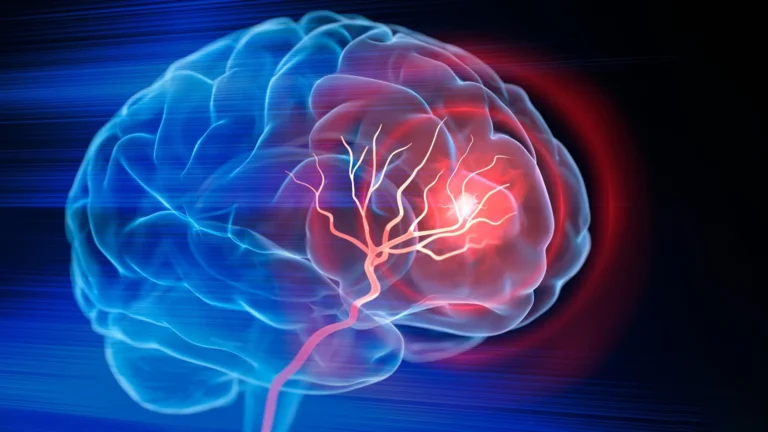
At the heart of the ADHD-SUD intersection lies the brain’s reward system. Both conditions are characterized by dysregulated dopaminergic pathways. Dopamine, the neurotransmitter responsible for motivation and reward processing, is often deficient or improperly managed in the brains of individuals with ADHD.
This neurobiological deficit often leads to a phenomenon known as "self-medication." Individuals with ADHD may inadvertently turn to stimulants, alcohol, or cannabis to normalize their neurochemistry, seeking to quiet the "noise" of hyperactivity or bridge the gap in executive functioning. However, this temporary relief masks a dangerous reality: the very substances used to manage symptoms often exacerbate the underlying condition, creating a feedback loop where substance use worsens ADHD symptoms, which in turn fuels further substance use.
2. Chronology: The Evolution of Clinical Understanding
The historical approach to treating these disorders was largely sequential. Clinicians often insisted on "getting the patient clean" (treating the SUD) before addressing the "underlying" ADHD. This philosophy was rooted in a fear that stimulants—the gold standard for ADHD treatment—would trigger relapse or be diverted for abuse.
- The Early Era (Pre-2010): Rigid separation of services. Addiction treatment centers rarely screened for ADHD, viewing it as a potential distraction from abstinence-based goals.
- The Transition Period (2010–2018): Increased awareness of the high prevalence of ADHD in addiction treatment populations. Small-scale studies began to question whether withholding ADHD treatment was actually harming recovery rates.
- The Current Era (2019–Present): A paradigm shift toward "Integrated Care." Landmark studies like the INCAS (Integrated Neurocognitive and Clinical Assessment Study) have shifted the focus toward treating both conditions simultaneously, demonstrating that untreated ADHD is, in fact, a primary driver of relapse.
3. Supporting Data: What the Research Reveals
Recent meta-analyses and clinical studies have provided compelling data that challenge previous assumptions regarding pharmacological risks.
- Prevalence: Research indicates that untreated adults with ADHD are significantly more likely to develop an SUD, with prevalence estimates ranging from 15% to 25%.
- The Synergistic Effect: According to the INCAS study led by Brynte et al. (2022), patients with comorbid ADHD and SUD present with more intense addictive behaviors and often initiate substance use at a significantly younger age than those with SUD alone.
- Retention and Recovery: A critical finding by Kast et al. (2021) revealed that patients receiving ADHD pharmacotherapy—when conducted under careful clinical supervision—showed significantly higher retention rates in outpatient programs compared to those who remained unmedicated.
The data is clear: when the "noise" of ADHD is managed, patients are more capable of engaging in the complex cognitive and emotional labor required for addiction recovery.
4. Diagnostic and Clinical Challenges
Accurate diagnosis is the single greatest hurdle in this field. The symptoms of ADHD—distractibility, emotional instability, and impulsivity—are often mimicked by active substance use or the physiological stress of withdrawal.
The Masking Effect
In the early stages of recovery, it is nearly impossible to distinguish between a "baseline" ADHD presentation and the cognitive deficits caused by chronic substance use. Clinicians are often faced with a "wait and see" dilemma. However, waiting too long can be detrimental. If a patient’s ADHD remains unaddressed, their executive dysfunction may make it impossible for them to follow through on the rigid structure required in many recovery programs, leading to early discharge or self-initiated dropout.
Best Practices for Assessment
To overcome these challenges, clinicians are moving toward a "comprehensive history" model. This includes:
- Developmental Review: Assessing childhood symptoms before the onset of substance use.
- Corroboration: Utilizing family and educational records to verify long-term patterns of behavior.
- Validated Assessment: Employing adult-specific ADHD rating scales that account for substance history.
5. Official Responses and Clinical Implications
The clinical consensus has evolved to favor a multimodal, integrated approach. Leading psychiatric institutions now emphasize that the "sequential" model is largely obsolete.
The Role of Pharmacotherapy
The debate over stimulants remains a focal point. While stimulants carry abuse potential, the risk of not treating ADHD is now seen as greater. Recent clinical guidelines suggest:
- Strategic Supervision: Utilizing long-acting, non-abusable stimulant formulations.
- Non-Stimulant Alternatives: Employing medications like atomoxetine or alpha-2 agonists for patients with a high risk of stimulant misuse.
- Monitoring: Regular toxicology screening and frequent follow-ups to ensure the medication is being used as intended and is contributing to recovery goals.
Integrated Therapeutic Modalities
Modern treatment plans now blend medical management with targeted psychotherapeutic interventions:
- Cognitive Behavioral Therapy (CBT): Specifically adapted for ADHD, these sessions focus on organizational strategies and emotional regulation that directly support relapse prevention.
- Motivational Interviewing: This is essential for addressing the ambivalence many patients feel about medication. It empowers the patient to see the link between managing their ADHD and achieving their sobriety goals.
- Psychoeducation: Teaching patients about the "why" behind their symptoms helps reduce the shame and stigma often associated with dual diagnoses, which is a major factor in treatment retention.
6. Future Directions: Where the Field is Headed
Despite the progress made in the last decade, gaps remain. The next frontier in the treatment of comorbid ADHD and SUD lies in three specific areas:
- Pharmacogenetics: Developing tests that can predict how an individual with an SUD history will respond to specific ADHD medications, minimizing the "trial and error" phase that often leads to frustration and relapse.
- Digital Health Interventions: Utilizing smartphone apps and wearable technology to provide real-time support for executive function, such as medication reminders and mood-tracking tools that alert clinicians to early signs of distress.
- Longitudinal Data Tracking: Expanding the scope of research to follow patients for years rather than months, ensuring that the "integrated" model holds up against the long-term pressures of life in recovery.
Conclusion: The Path Forward
The treatment of co-occurring ADHD and SUD is no longer a matter of choosing one path over the other. It is a matter of integrating the two into a single, cohesive clinical strategy. The evidence is overwhelming: untreated ADHD is a significant barrier to success in addiction recovery. By failing to address the underlying neurobiological deficits of ADHD, we inadvertently set patients up for a cycle of failure.
Conversely, when we embrace a proactive, evidence-based, and integrated model—one that balances the necessity of pharmacological support with the robustness of CBT and motivational therapy—we provide patients with the essential tools they need to reclaim their lives. As clinicians, our responsibility is to move past the stigma of the past and toward a future where every patient receives the comprehensive, individualized care they deserve. The goal is not merely abstinence; it is the restoration of executive function, focus, and the ability to lead a fulfilling life free from the constraints of both ADHD and addiction.