










For over half a century, the medical community has stood largely paralyzed in the face of small cell neuroendocrine cancers. Whether manifesting in the lung, prostate, or ovary, these aggressive, fast-growing malignancies have historically proven resistant to standard treatment protocols. Often diagnosed at an advanced stage, these tumors possess a lethal efficiency, spreading rapidly through the body and evading the traditional targeted therapies that have revolutionized care for other cancer types.
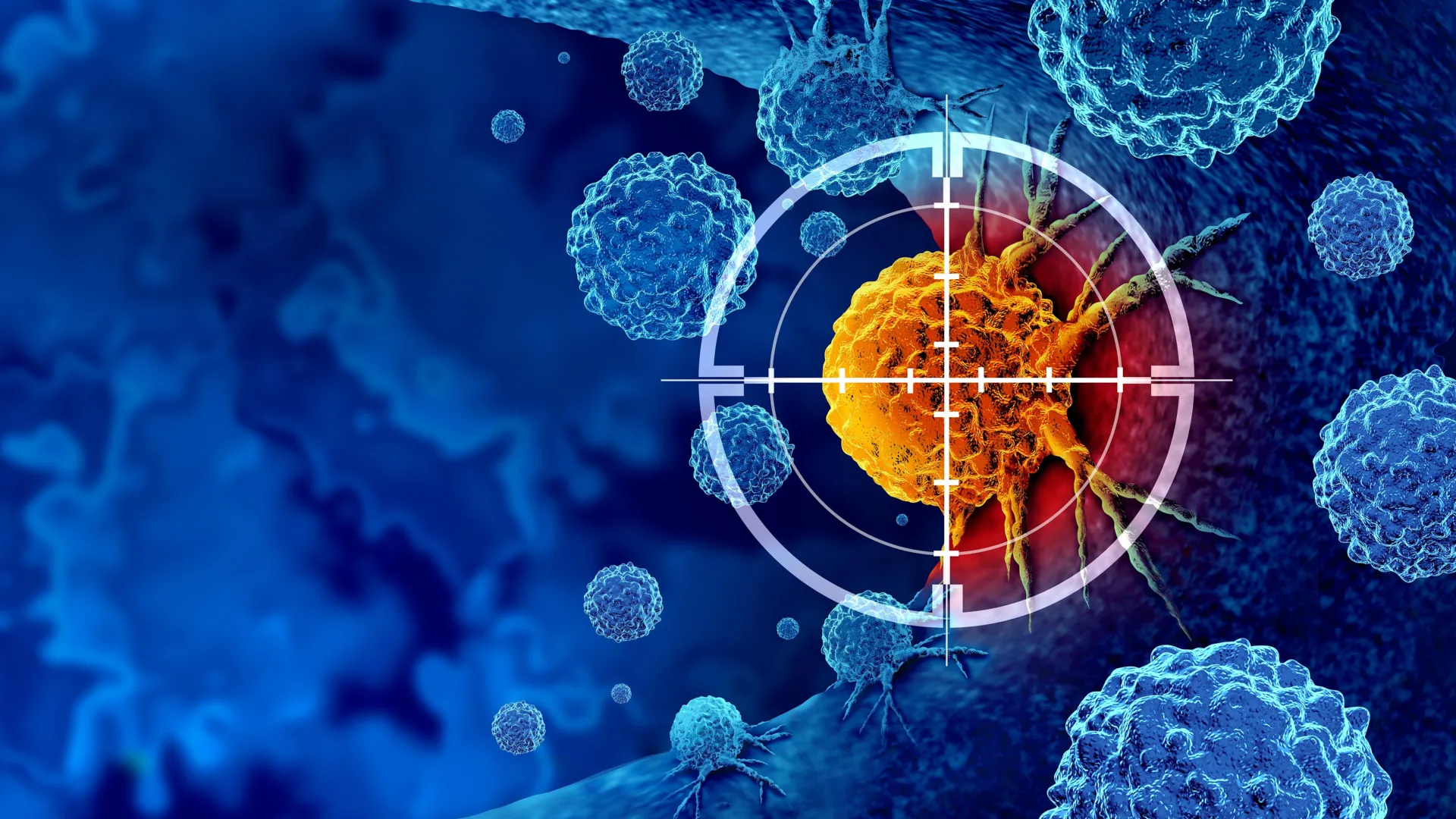
However, a landmark study led by researchers at UCLA, published in the Proceedings of the National Academy of Sciences (PNAS), has identified a "hidden dependency" within these elusive tumors. By exposing a molecular Achilles’ heel—a protein interaction that cancer cells cannot survive without—the team has potentially cleared the path for a new era of therapeutic intervention.
The Genetic Paradox: The RB Deficiency
At the core of the study is the role of the RB (Retinoblastoma) gene. In a healthy biological system, the RB protein acts as a molecular "brake," strictly regulating the cell cycle and ensuring that cells do not divide uncontrollably. In small cell neuroendocrine cancers, this gene is frequently lost or inactivated.
When RB is absent, the regulatory checkpoint vanishes, allowing cancer cells to replicate with dangerous velocity. Traditionally, this loss was viewed solely as a driver of chaos. However, the UCLA team hypothesized that this very mutation might inadvertently create a secondary reliance on other cellular machinery.
"Discovering a vulnerability like this opens the door to thinking about entirely new treatment strategies," said Dr. Owen N. Witte, the study’s senior author. Dr. Witte, who holds the Presidential Chair in Developmental Immunology and is a member of the UCLA Health Jonsson Comprehensive Cancer Center, noted the stagnation in clinical progress. "That’s especially important because there has not been a major change in how we treat these cancers for decades. When I first encountered these tumors as a medical student more than 50 years ago, the survival statistics were essentially the same as they are today."
Chronology of a Scientific Breakthrough
The path to this discovery was not linear; it required the construction of a new experimental foundation. For years, progress in the field of small cell neuroendocrine cancers was stifled by the lack of high-fidelity laboratory models. Researchers struggled to replicate the specific, high-stakes genetic environment of human tumors in a petri dish or mouse model, making it nearly impossible to map out the dependencies of these cancers.
Phase 1: Engineering the Model
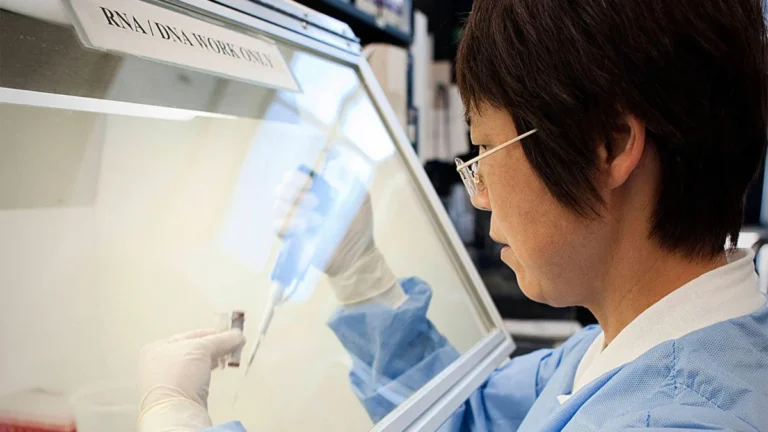
Over the last decade, Dr. Witte’s laboratory focused on creating specialized models for small cell neuroendocrine prostate cancer. The researchers engineered normal human prostate cells, introducing five critical cancer-causing genetic alterations, including the loss of both RB and TP53. These cells were then matured into organoids—miniature, three-dimensional tissues that mimic the architecture of human organs—before being used to seed tumors in mice. The resulting tumors closely mirrored the biological profile and aggressive behavior of human small cell cancers.
Phase 2: Genome-Wide CRISPR Screening
With a reliable model in hand, the team moved to identify the specific genes essential for the survival of these tumors. They employed genome-wide CRISPR screens, a powerful gene-editing technology, to systematically "turn off" thousands of genes one by one across the entire cancer genome.
The goal was to identify which gene deletions would trigger "synthetic lethality"—a state where the cancer cell can survive the loss of one gene, but collapses when two specific genes are missing simultaneously.
Phase 3: The E2F3 Discovery
The screen identified approximately 1,400 genes that were essential for the survival of these RB-deficient cells. Among these, the protein E2F3 emerged as the most significant candidate. The researchers discovered that while the cancer cells had evolved to survive the loss of RB, they became paradoxically dependent on E2F3 to maintain their proliferative state. When E2F3 was inhibited in the laboratory models, the tumors stopped dividing, failed to form clusters, and eventually succumbed to cell death.
Supporting Data and the Mechanism of Action
The data suggests that the relationship between RB and E2F3 is not one of simple redundancy, but of a precarious biological balance. "It’s not that the two genes do the same thing," Dr. Witte explained. "But the combination of what they do together becomes essential for the cancer cell. Losing one gene may not matter much, but losing both has a dramatic effect on tumor growth."
The study highlights that this dependency is a shared trait across multiple types of small cell neuroendocrine cancers, regardless of their organ of origin. This universality suggests that the E2F3 dependency is a fundamental feature of the neuroendocrine cancer phenotype, rather than a fluke specific to prostate tissue.
Dr. Evan Abt, an assistant professor of Molecular and Medical Pharmacology at the David Geffen School of Medicine at UCLA and the study’s first author, noted the significance of the methodology: "These new model systems allowed us to uncover a genetic vulnerability that would have been very difficult to find otherwise."
The Path to Clinical Translation: Repurposing the Old to Fight the New
Perhaps the most compelling aspect of the study is the identification of a potential "shortcut" to clinical application. Since there are currently no drugs specifically designed to target E2F3, the researchers sought an alternative route to lower the protein’s levels.
They identified a metabolic pathway responsible for producing DNA building blocks, specifically targeting the enzyme DHODH. When this enzyme was inhibited, the levels of E2F3 plummeted, effectively starving the cancer cells of the resources they needed to maintain their high-growth state.
Crucially, inhibitors of the DHODH enzyme—such as leflunomide and teriflunomide—are already FDA-approved and currently used to treat autoimmune conditions like rheumatoid arthritis and multiple sclerosis. Because these drugs have already cleared the rigorous safety testing required for human use, they could potentially bypass years of early-stage drug development.
"What’s exciting is that our findings open the door to applying existing drugs in a new way," Dr. Abt said. "By understanding how these cancers depend on E2F3, we can start to think about strategies that might work much more quickly in patients."
Implications and Future Outlook
The implications of the UCLA study are far-reaching. By shifting the focus from simply killing the cancer cell to exploiting its "hidden dependency," the research team has moved toward a more precise, target-driven oncology.
A New Strategic Framework
The concept of synthetic lethality is not new to oncology—it has been successfully utilized in the development of PARP inhibitors for breast and ovarian cancers—but its application to small cell neuroendocrine cancers is a major milestone. If clinicians can effectively deplete E2F3 in patients, they may be able to force these highly resistant tumors into a state of growth arrest or apoptosis, effectively "turning off" the cancer’s survival mechanism.
The Road Ahead
While the researchers express optimism, they are careful to emphasize that the work is still in the early stages. The transition from organoid and mouse models to human clinical trials requires further validation, particularly regarding dosage, potential side effects of DHODH inhibition in a cancer context, and the identification of patient populations most likely to benefit from this specific metabolic intervention.
However, the team’s work, which included contributions from a broad range of experts including Liang Wang, Grigor Varuzhanyan, Jack Freeland, and others at the UCLA Broad Stem Cell Research Center and the Parker Institute of Cancer Immunotherapy, provides a blueprint for future investigation.
By proving that even the most aggressive, treatment-resistant tumors harbor fundamental weaknesses, the UCLA study offers a renewed sense of urgency and possibility. For patients and families who have watched as treatment options remained stagnant for decades, this research serves as a beacon, suggesting that the shadows surrounding small cell neuroendocrine cancers are finally beginning to recede. The potential to repurpose existing, well-understood medications could mean that the next chapter in the fight against these deadly cancers may be written sooner than previously imagined.