








In a development that could fundamentally alter the landscape of orthopedics and geriatric medicine, a Stanford Medicine-led research team has identified a promising pathway to reversing joint degeneration. A new study, published in the prestigious journal Science, reveals that blocking a specific protein—aptly termed a "gerozyme"—can stimulate the regrowth of articular cartilage in aging mice and restore functionality to human tissue samples.
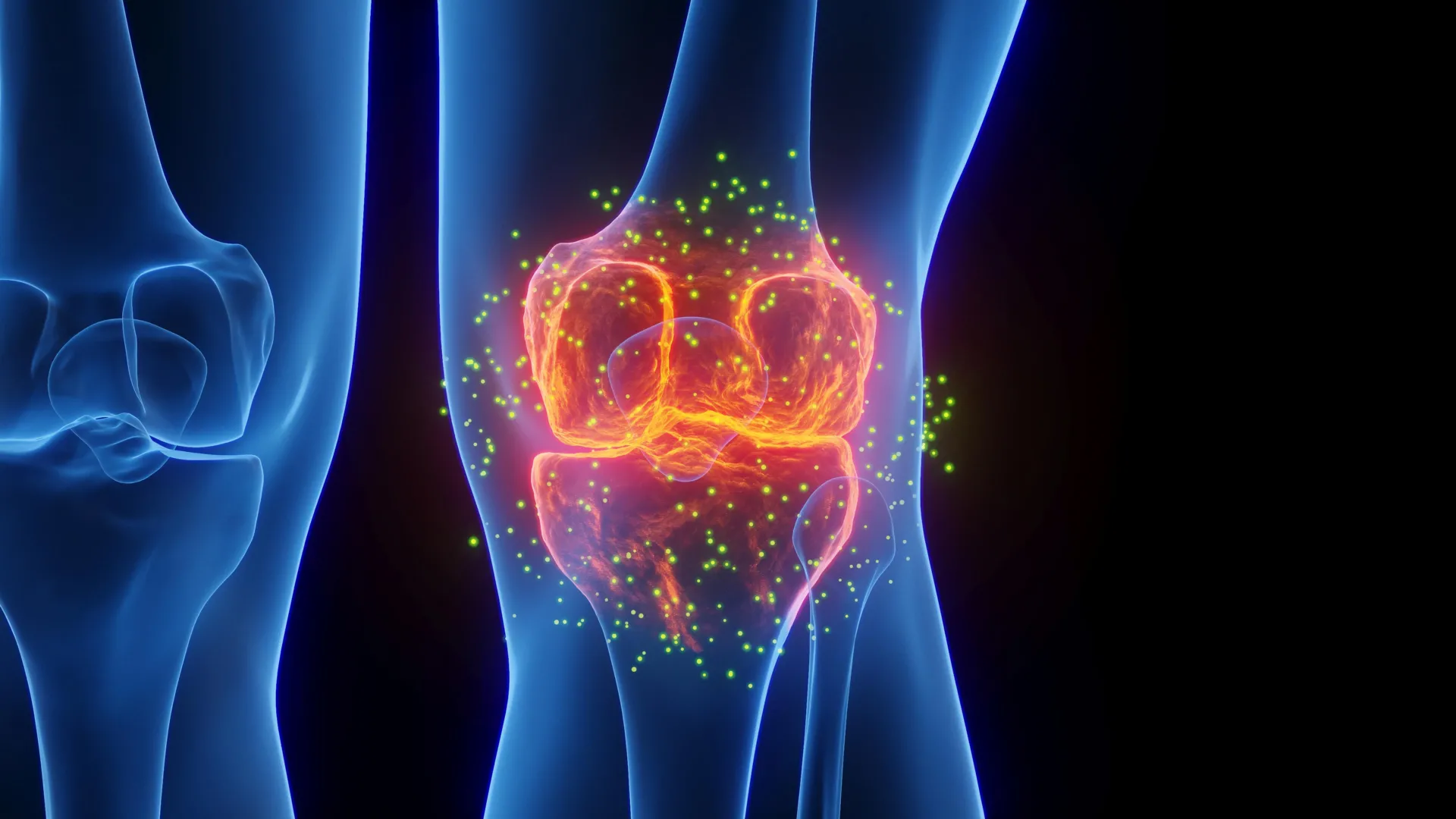
This discovery moves the medical community one step closer to a therapeutic intervention for osteoarthritis, a debilitating condition that currently affects roughly one in five American adults. By shifting the focus from palliative pain management to the biological root cause of cartilage breakdown, researchers believe they have opened the door to a future where joint replacement surgeries may eventually become a last resort rather than a routine necessity.
The Biological Mechanism: Targeting the "Gerozyme"
At the heart of the research is the protein 15-PGDH. First identified by the team in 2023, 15-PGDH is classified as a "gerozyme"—a protein that accumulates as organisms age and actively contributes to the systemic decline of tissue function.
While the body typically relies on stem cells to repair damaged tissue, cartilage presents a unique biological challenge. Unlike other tissues that can regenerate through the multiplication and differentiation of stem cells, articular cartilage lacks a robust stem cell population. The Stanford team discovered that, instead of relying on external stem cells, the body’s existing cartilage-producing cells—chondrocytes—possess the inherent capacity to shift their gene activity. When 15-PGDH is inhibited, these chondrocytes are effectively "reprogrammed" to return to a more youthful, productive state.
The protein works by breaking down prostaglandin E2, a molecule critical for cell health and regeneration. By inhibiting 15-PGDH, the researchers were able to elevate prostaglandin E2 levels, which in turn signaled the chondrocytes to begin repairing the extracellular matrix and regenerating healthy hyaline cartilage—the smooth, slippery substance that allows joints to glide frictionlessly.
Chronology of the Discovery
The journey toward this discovery began with the laboratory’s foundational work on muscle regeneration.
- Initial Observations (Prior to 2023): Helen Blau, PhD, and her team at the Baxter Laboratory for Stem Cell Biology observed that prostaglandin E2 was critical for the function of muscle stem cells. They noted that 15-PGDH acted as a regulatory "brake" on this process.
- Identification of Gerozymes (2023): The researchers officially identified 15-PGDH as a key driver of age-related decline, demonstrating that blocking it allowed older mice to regain muscle mass and endurance.
- Extending the Scope (2023-2024): Recognizing that the protein played a role in the health of bone, nerve, and blood cells, the team hypothesized that it might also dictate the aging process of cartilage.
- The Comparative Study: By comparing cartilage samples from young and old mice, the team confirmed that 15-PGDH levels roughly doubled with age, correlating with the onset of cartilage thinning and inflammatory gene expression.
- The Breakthrough: Using a small-molecule inhibitor, the team treated aging mice. Both systemic injections and direct joint injections resulted in significant thickening of the articular cartilage, confirming that the treatment could work locally.
- Human Validation: In the final stages of the current study, the researchers applied the inhibitor to human cartilage samples taken from patients undergoing total knee replacement surgery. Within one week, the tissue began to show signs of regeneration, with a marked reduction in inflammatory markers and an increase in healthy cell activity.
Supporting Data: From Mice to Human Tissues
The empirical evidence gathered by the research team underscores the potency of 15-PGDH inhibition. In the mouse models, the treatment was not only curative but also preventative.
When researchers induced injuries similar to ACL tears—a common precursor to osteoarthritis in humans—they found that untreated mice developed advanced signs of joint degradation within four weeks. Conversely, mice treated with the inhibitor twice weekly showed a dramatic reduction in disease development. These mice demonstrated significantly improved gait and mobility, placing more weight on the previously injured limbs compared to their untreated counterparts.
The molecular shift was equally compelling. Detailed analysis of the chondrocytes revealed a major change in cell composition post-treatment:
- Inflammatory/Degrading Cells: Dropped from 8% to 3%.
- Fibrocartilage-producing Cells: Dropped from 16% to 8%.
- Hyaline Cartilage-building Cells: Increased from 22% to 42%.
These percentages represent a profound "rejuvenation" of the joint environment, shifting the balance from a state of catabolic destruction to anabolic regeneration.
Official Perspectives: A Shift in Clinical Paradigms
The research team, led by senior authors Helen Blau and Nidhi Bhutani, views this as a potential paradigm shift in musculoskeletal medicine.
"This is a new way of regenerating adult tissue, and it has significant clinical promise for treating arthritis due to aging or injury," said Dr. Helen Blau, professor of microbiology and immunology at Stanford. "We were looking for stem cells, but they are clearly not involved. It’s very exciting."
Dr. Nidhi Bhutani, associate professor of orthopedic surgery, emphasized the magnitude of the unmet need. "Millions of people suffer from joint pain and swelling as they age. It is a huge unmet medical need. Until now, there has been no drug that directly treats the cause of cartilage loss. But this gerozyme inhibitor causes a dramatic regeneration of cartilage beyond that reported in response to any other drug or intervention."
The team noted that while prostaglandin E2 has historically been associated with pain and inflammation, this research clarifies that at normal physiological levels, it is actually a vital catalyst for tissue health.
Implications: A Future Without Joint Replacement?
The implications of this study are vast, particularly regarding the economic and human costs of osteoarthritis. With direct healthcare costs for arthritis estimated at $65 billion annually in the United States, a pharmaceutical intervention could offer a high-value alternative to surgical procedures like knee and hip replacements.
The Path to Clinical Trials
An oral version of the 15-PGDH inhibitor is already in clinical trials for age-related muscle weakness, confirming that the treatment is safe for use in humans. This existing data provides a significant "head start" for future orthopedic applications. The research team is optimistic that clinical trials targeting cartilage regeneration could be launched in the near future.
Challenges and Future Considerations
While the results are undeniably encouraging, researchers caution that the transition from bench to bedside requires rigorous testing. Questions regarding the long-term safety of chronic 15-PGDH inhibition and the optimal delivery method (local injection vs. oral medication) remain to be answered.
However, the ability to stimulate natural repair mechanisms within existing cells rather than attempting to introduce foreign stem cells represents a significant leap forward in regenerative medicine. If the results seen in mouse models and human tissue samples hold true in large-scale clinical human trials, the medical community may finally possess a tool to stop, and perhaps even reverse, the "wear and tear" that has defined the aging process for generations.
Researchers from the Sanford Burnham Prebys Medical Discovery Institute contributed to this study, which received funding from the National Institutes of Health, the Baxter Foundation, the Li Ka Shing Foundation, and several other private and academic institutions. Several authors hold patent applications related to 15-PGDH inhibition, highlighting the commercial and clinical potential of this discovery.