











In the modern era, where productivity is often worn as a badge of honor, sleep is frequently the first casualty. While medical science has long established that sleep is a fundamental pillar of human physiology—as critical as nutrition and physical activity—a staggering disconnect exists between clinical necessity and daily practice. Recent data reveals that nearly half of all American adults have never engaged in a meaningful discussion about their sleep hygiene with a healthcare professional. This silence is not merely a social oversight; it is a burgeoning public health crisis that threatens to undermine the long-term well-being of millions.
Main Facts: The Anatomy of a Sleep Deficit
Sleep is the body’s primary engine for repair, cognitive consolidation, and emotional regulation. When we sleep, our brains clear out metabolic waste, our tissues repair themselves, and our memories are solidified. Despite these vital functions, the American Academy of Sleep Medicine (AASM) notes that a significant portion of the population fails to meet the minimum threshold for healthy rest.
The clinical consensus is clear: adults require seven or more hours of sleep per night to maintain optimal health. Yet, roughly one-third of the U.S. adult population consistently fails to reach this baseline. This deficiency is not merely a matter of feeling "groggy" the next morning; it is a systematic degradation of health that permeates every organ system in the body.
Chronology of a Growing Gap
The history of sleep medicine has shifted from viewing sleep as a "luxury" to recognizing it as a "biological imperative." Throughout the mid-20th century, sleep research was largely confined to specialized laboratories. It wasn’t until the late 1990s and early 2000s that epidemiological studies began to draw ironclad links between chronic sleep deprivation and widespread diseases, such as Type 2 diabetes and cardiovascular hypertension.
Despite these advancements, the "conversation gap" has remained stubbornly wide. Surveys conducted in 2025 highlight a persistent trend: 45% of adults have never broached the subject with their doctor. Perhaps most concerning is the gender disparity observed in current data, where 49% of women report having never discussed sleep with a medical professional, compared to 40% of men. This suggests that systemic barriers—whether they be social expectations or clinical oversight—are preventing a large demographic from accessing the diagnostic tools they need to reclaim their health.
Supporting Data: The High Cost of Tiredness
The implications of our collective sleep debt are measurable and severe. Insufficient sleep is no longer viewed as a minor inconvenience; it is a diagnostic red flag for a variety of serious health risks.
- Cardiovascular Health: Chronic sleep restriction is directly linked to an increased risk of hypertension, stroke, and heart disease.
- Mental Health: There is a bidirectional relationship between sleep and mood disorders. Depression and anxiety are frequently exacerbated by poor sleep, which in turn makes falling asleep more difficult.
- Metabolic Function: Lack of sleep disrupts the hormones that regulate hunger, leading to metabolic disorders, weight gain, and an increased risk of obesity.
- Cognitive Decline: Long-term sleep deficiency has been associated with an accelerated decline in cognitive function, including memory loss and difficulty concentrating.
- Public Safety: Daytime sleepiness is a silent killer on the road and a significant source of workplace error, leading to preventable accidents that cost the economy billions annually.
Defining "Healthy Sleep"
To address the problem, patients and clinicians must first agree on a definition of healthy sleep. It is not merely about the number of hours spent in bed. Healthy sleep is defined by four specific metrics:
- Duration: Sleeping at least seven hours per night.
- Quality: The ability to fall asleep easily and remain asleep throughout the night without frequent, disruptive awakenings.
- Timing: Aligning sleep with the body’s internal circadian rhythm.
- Regularity: Maintaining a consistent sleep-wake schedule, even on weekends.
When one or more of these pillars is missing, the restorative nature of sleep is compromised. This is why keeping a sleep diary—a simple log of when you go to bed, how long it takes to fall asleep, and how you feel upon waking—is considered the "gold standard" for initiating a productive conversation with a physician.
Official Perspectives: The Role of the Clinician
Medical professionals emphasize that patients do not need a medical degree to start the conversation. The barrier to entry is often the assumption that one must have a "named" disorder to seek help. In reality, a patient saying, "I just don’t feel rested," is often the starting point for uncovering underlying issues that, if left untreated, could develop into chronic conditions.
According to experts at the AASM, clinicians are increasingly encouraged to include sleep screening as a routine part of a patient’s physical examination. By normalizing these discussions, doctors can identify sleep apnea, insomnia, or circadian rhythm disorders before they manifest as systemic health failures.
The Path to Treatment
Not every sleep issue requires a specialist or a complex intervention. Many patients find relief through basic lifestyle modifications, often referred to as "Sleep Hygiene." These include:
- Nap Management: Limiting daytime naps to prevent "sleep pressure" from being relieved too early.
- Stimulant Control: Avoiding caffeine and nicotine in the late afternoon and evening.
- Environmental Optimization: Creating a cool, dark, and quiet bedroom environment.
- Relaxation Techniques: Establishing a wind-down routine that detaches the mind from the stresses of the day.
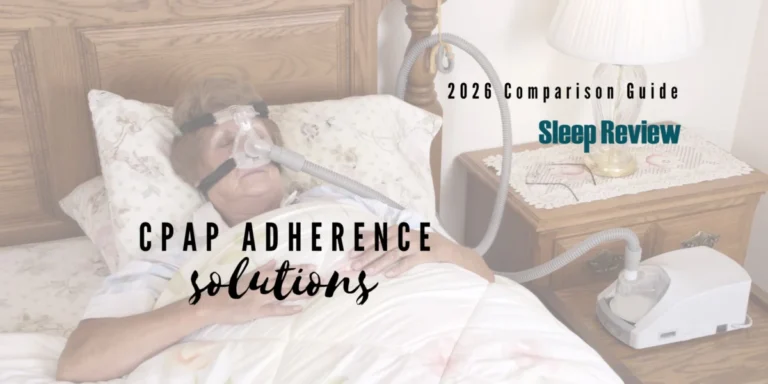
However, for those with clinical disorders, such as obstructive sleep apnea, lifestyle changes alone may be insufficient. In these cases, evidence-based treatments like CPAP (Continuous Positive Airway Pressure) therapy or targeted medication can be life-changing. For these patients, the first step is a referral to an AASM-accredited sleep center for a formal evaluation.
Implications for the Future
The implications of continuing to ignore the sleep crisis are profound. If the population continues to treat sleep as an optional commodity, we can expect a continued rise in the prevalence of chronic disease and a decline in overall life expectancy.
The shift must be cultural as much as it is clinical. We must move away from the glorification of "hustle culture" and recognize that rest is a necessary investment in human capital. Whether it is a primary care physician asking about sleep patterns during an annual checkup, or an individual choosing to prioritize a consistent bedtime, every action taken to improve sleep hygiene serves as a shield against future medical complications.
A Call to Action
If your sleep doesn’t feel restorative, or if you find yourself relying on excessive caffeine or experiencing "micro-sleeps" during the day, these are not just habits—they are signals from your body. Do not wait for a crisis to occur.
Your next medical appointment is a prime opportunity to advocate for your own health. You do not need complex terminology to start. A simple, honest admission—"I don’t feel like I’m sleeping well, and I’m exhausted during the day"—is sufficient to open the door. By taking that first step, you are not just asking for better sleep; you are taking a proactive stand for your heart, your brain, and your future.
The tools are available, the research is definitive, and the path to better health begins the moment you decide that your sleep is finally worth talking about.