











The Illusion of Progress
"I just bought a new BPA-free Tupperware set."
This comment, offered by my friend Anna, stopped me in my tracks. Anna is a high-powered attorney—a woman who dissects legal precedents for breakfast and navigates the cutthroat world of corporate litigation with a hawk-like skepticism for anything that lacks evidence. Yet, here she was, pinning her health goals on a set of plastic containers.
Anna has been trying to shed 15 pounds for months. She came to me feeling defeated, "stuck" in a cycle of stagnation. When I asked her what she was changing to break this cycle, she pointed to her kitchen cupboards. "I’ve been reading about how microplastics in food containers can disrupt hormones and cause weight gain," she explained.
I paused, thinking of the context she had shared with me just moments earlier: she had been struggling to maintain a consistent gym routine, relying on calorie-dense takeout due to a crushing workload, and sacrificing hours of restorative sleep to "doom-scroll" through her phone until 2:00 AM.
When I gently suggested that returning to the basics—consistent movement and prepping simple, whole-food meals—might be a more effective path, her response was swift and defensive: "I’ve tried that a thousand times. If it were that simple, it would have worked already."
Anna’s struggle is not unique. It is a symptom of a modern psychological phenomenon: the tendency to prioritize niche, "magic bullet" solutions over the unsexy, foundational habits that actually drive human physiology.
Chronology of a Failed Habit Loop
The cycle typically follows a predictable timeline:
- The Stagnation Phase: An individual experiences frustration with their health or weight. The gap between their current reality and their goal feels insurmountable.
- The Search for the "Secret": Rather than addressing the glaring gaps in sleep or activity, the individual begins researching obscure health factors. This feels productive because it involves high-level cognitive engagement.
- The Procurement Ritual: A "tool" is identified. Whether it is a new supplement, a specialized diet protocol, or, in Anna’s case, non-toxic storage containers, purchasing this item provides a hit of dopamine. It feels like "doing something."
- The Avoidance of the "Unsexy": When the results fail to manifest, the individual doubles down on the niche factor rather than acknowledging the lack of consistency in the basics.
- The Cycle Continues: The individual concludes that "nothing works," reinforcing a narrative of personal failure rather than questioning the efficacy of the chosen strategy.
The Supporting Data: The 6 Percent Reality
The health and fitness industry thrives on complexity, yet the data suggests that the vast majority of us are failing to master the entry-level requirements of human biology. A major study on American health behaviors revealed a staggering statistic: only six percent of the adult population consistently practices five fundamental health behaviors:
- Moderate-to-vigorous physical activity: At least 30 minutes daily.
- Nutritional quality: A diet centered on whole, minimally processed foods.
- Protein adequacy: Sufficient intake to support muscle maintenance and satiety (typically 1.2 to 2.2 grams per kilogram of body weight).
- Restorative sleep: Consistent seven-to-eight-hour windows.
- Substance moderation: Avoiding excessive alcohol, tobacco, or processed stimulants.
If only six percent of the population manages to hit these marks, the problem is not a lack of "advanced" strategies or expensive BPA-free containers. The problem is a systematic inability to execute the basics. We are essentially trying to learn quantum physics before we have mastered basic arithmetic.
Why We Resist the Basics: Three Key Barriers
1. Ambition Overload
Human beings are prone to "planning fallacy." We often overestimate our future capacity for willpower, time, and energy. We resolve to overhaul our entire lives starting "next Monday," layering intense workout schedules on top of demanding jobs and sleep deprivation. When we inevitably fail to maintain this unsustainable structure, we internalize it as a character flaw. We blame our "lack of discipline" rather than the flawed architecture of the plan itself.

2. The Lure of the "Cutting Edge"
There is a psychological comfort in believing there is a hidden, industry-secret tactic that we haven’t discovered yet. If the answer were simply "eat more broccoli and walk more," it would imply that our lack of progress is a result of our own behavior. If the answer is "the microplastics in my Tupperware are sabotaging my hormones," it shifts the blame to an external, solvable, and technologically advanced variable. It is a form of procrastination masquerading as research.
3. The Perfectionist Fallacy
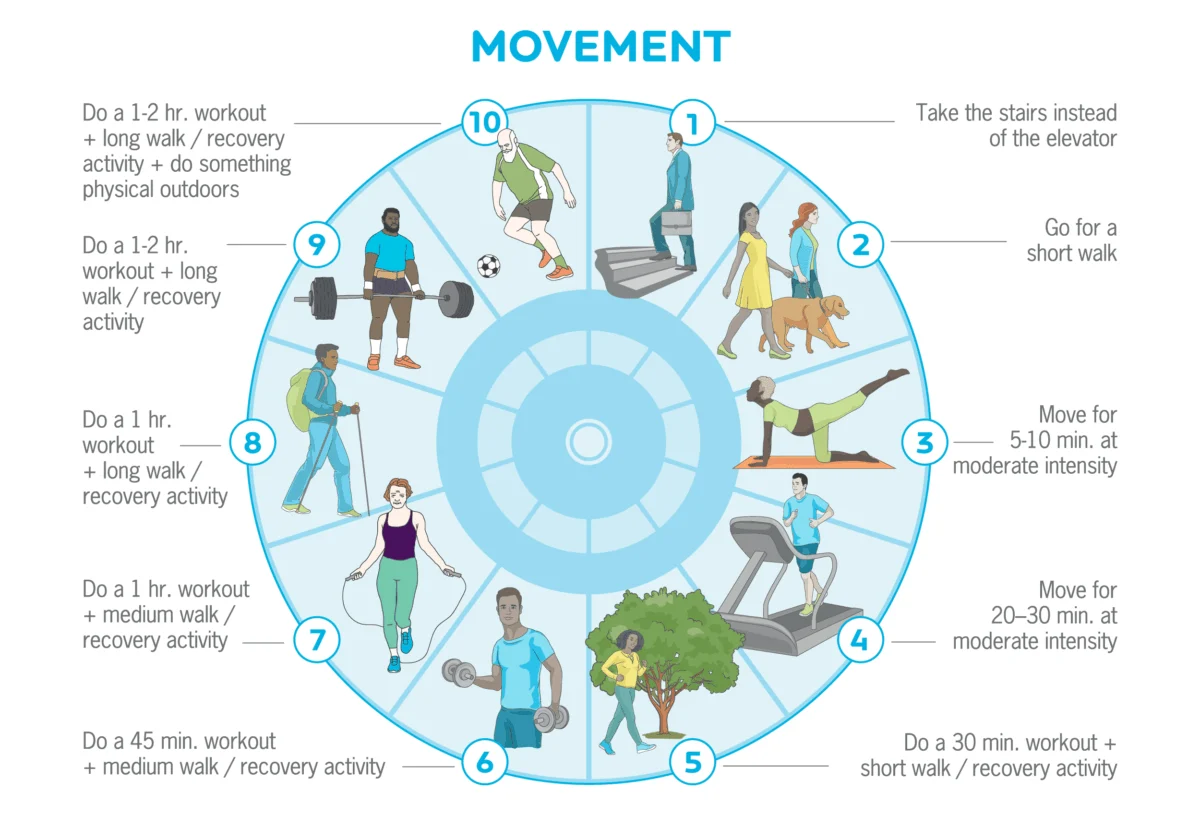
Many of us operate under the binary assumption that health is an "on/off" switch. If we cannot be perfect—if we miss one workout or eat one "unclean" meal—we assume we have failed. This "all-or-nothing" mentality is the fastest path to giving up entirely. In reality, health is not a light switch; it is a dial.
Official Perspectives: The Coaching Paradigm
Professional coaches and behavior change experts, such as Kate Solovieva, suggest that the key to consistency is not willpower, but "ecosystem design."
"Build an ecosystem that makes failing nearly impossible," Solovieva advises. Instead of relying on motivation, which is notoriously fickle, we must manipulate our environment to nudge us toward the right choice. If the healthy food is prepped and front-and-center in the fridge, and the unhealthy food requires a ladder to reach in the back of the pantry, you have utilized the environment to support your goals.
Access is the number one influencer of behavior. People who live in environments that support movement and healthy eating patterns perform better not because they have more "grit," but because their environment makes the desired behavior the path of least resistance.
Implications: Embracing "C+" Effort
If you are a high achiever, the suggestion to aim for "C+" effort might be painful to read. However, in the context of sustainable health, "C+" effort is the secret to longevity.
The implication is clear: we must stop treating our health as a high-stakes performance that requires perfection. Instead, we should view it as an ongoing, messy, and flexible practice. This requires four actionable steps:
- Explore the "Why" Before the "How": Before adding another supplement or gadget to your routine, ask yourself why you are doing it. Use the "5 Whys" technique to drill down to your true motivation.
- Prioritize the Essentials: Identify the one or two movements or nutritional habits that will move the needle the most. Forget the rest until those are consistent.
- Define Your Floor and Ceiling: Establish a "floor"—a version of your habit that is so easy you can do it on your absolute worst day (e.g., five minutes of walking)—and a "ceiling" for your best days. This creates a range that prevents the "all-or-nothing" crash.
- Audit Your Ecosystem: Make the healthy choice the obvious choice. Change your surroundings to align with your goals, rather than trying to overpower your environment with sheer willpower.
Conclusion
The "Tupperware Trap" is a reminder that we are masters at self-distraction. We are so afraid of the vulnerability that comes with facing our own habits that we will invent elaborate, external justifications for our lack of progress.
Real change isn’t found in a new set of containers. It is found in the quiet, unglamorous, and repetitive actions we take when no one is watching and when we don’t feel like doing them. It is found in the middle of the dial, where "good enough" is consistently performed over "perfect" bursts that lead to burnout. By letting go of the illusion of the magic bullet, we finally grant ourselves the permission to build a foundation that actually lasts.
The path to 15 pounds lost is not in the plastic you store your food in; it is in the choices you make before the food ever reaches the container. It is time to stop buying gear and start building habits.