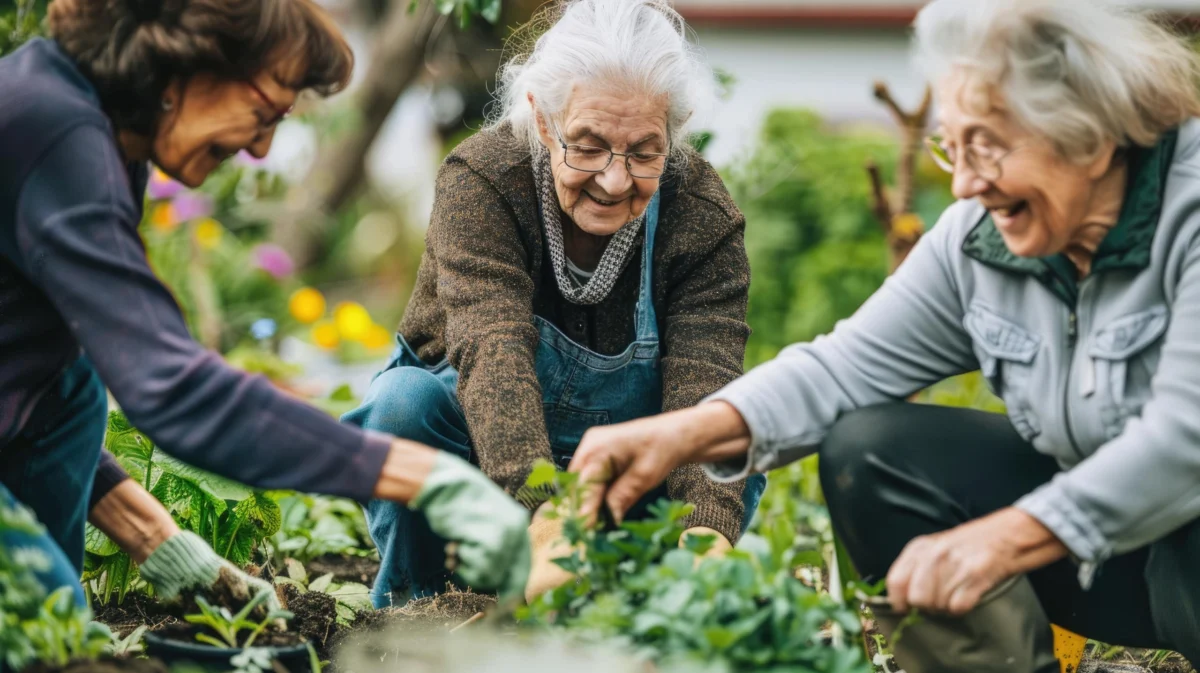
Remember those elementary school afternoons spent in the dirt? For many, the memory of Earth Day is inextricably linked to the sensory experiences of childhood: the smell of damp soil, the fragile texture of a seed casing, and the quiet satisfaction of planting a sapling that would outlive the schoolhouse itself. While those childhood projects were often framed as "saving the planet," modern research suggests that the act of gardening does far more than help the environment—it acts as a powerful catalyst for human health, particularly as we age.
As we celebrate Earth Day this year, we are reminded that the connection between human beings and the natural world is not just a nostalgic trope; it is a physiological and psychological necessity. A growing body of evidence, highlighted by recent findings in the American Journal of Occupational Therapy (AJOT), suggests that for older adults, the garden is not merely a hobby—it is a therapeutic sanctuary.
Main Facts: The Therapeutic Power of the Soil
Recent studies have moved beyond the anecdotal evidence of "green thumbs" to quantify the clinical benefits of horticultural engagement. The AJOT study, which focused on residents in supported living environments, identified gardening as a robust "avenue for hope and self-fulfillment."
The research indicates that consistent engagement with gardening—specifically within a community or social setting—significantly improves mental health, enhances social participation, and boosts overall life satisfaction. When an individual engages with the soil, they are not just growing plants; they are cultivating a sense of agency, purpose, and connection to the lifecycle of the living world.
For older adults, particularly those in assisted or transitional housing, the loss of autonomy can be a significant psychological burden. Gardening shifts the narrative from "being cared for" to "being a caregiver." The act of nurturing a seedling, monitoring its growth, and harvesting its fruits provides a tangible measure of success that is often missing in other aspects of institutional life.
Chronology: A Five-Week Journey to Wellness
To understand the transformative power of this activity, researchers monitored four residents of a transitional housing facility over a structured five-week gardening group therapy program. The chronology of the study reveals the progressive impact of the intervention:
- Week 1: Establishing Connection. Participants were introduced to the garden space. Initial observations noted a sense of trepidation mixed with curiosity. Occupational therapists focused on basic tasks—selecting soil, preparing containers, and planting seeds—to build baseline comfort.
- Week 2: The Routine of Care. As the first sprouts emerged, participants began to develop a routine. The focus shifted from mere activity to accountability. The act of watering and checking for growth fostered a sense of expectation and forward-looking behavior.
- Week 3: Social Integration. The study noted a marked increase in peer-to-peer interaction. The garden became a "third space"—a neutral ground where residents discussed their progress, exchanged tips, and engaged in organic, intellectual conversation.
- Week 4: The Impact of Autonomy. By the fourth week, the participants had begun to take initiative, modifying their planting strategies and demonstrating higher levels of confidence. Researchers documented a decrease in reported feelings of isolation.
- Week 5: Reflection and Empowerment. The study concluded with a harvest. Participants reported a significant shift in their outlook on their current living situation, citing a newfound sense of hope and a reduction in depressive symptoms.
This short-term study serves as a microcosm for the long-term benefits of sustained horticultural therapy. It demonstrates that the "dose" of nature does not need to be monumental to have a significant, measurable impact on quality of life.
Supporting Data: Why Gardening Works
The efficacy of gardening as a therapeutic tool is rooted in a multi-modal approach to health. It touches upon physical, social, and nutritional domains simultaneously:
1. Physical Dexterity and Fine Motor Skills
Gardening is a form of functional exercise. The act of gripping a hand trowel, manipulating delicate seeds, and weeding requires precision. This engages the fine motor skills and hand-eye coordination that often decline with age. Furthermore, the resistance offered by potting mix acts as a low-impact form of strength training, helping to maintain hand dexterity and muscle tone in the upper extremities.
2. Social Participation and Cognitive Engagement
Loneliness is a primary health risk factor for the elderly, contributing to cognitive decline and heart disease. Gardening clubs act as social hubs. Unlike passive group activities, gardening provides a shared project that encourages collaboration and communication. This social stimulation is cognitively demanding, requiring planning, problem-solving, and ongoing learning, all of which are essential for maintaining brain health.
3. Nutritional Benefits
The nutritional value of home-grown produce cannot be overstated. Beyond the lack of preservatives and the superior taste, there is a distinct physiological benefit to consuming food one has helped raise. It promotes better eating habits, improves immune system function through the intake of fresh, nutrient-dense vegetation, and provides a direct, accessible source of vitamins.
4. Environmental and Biological Rewards
Exposure to sunlight provides a necessary boost in Vitamin D, which is essential for bone health and mood regulation. Furthermore, the "biophilia hypothesis"—the idea that humans possess an innate tendency to seek connections with nature—suggests that our nervous systems are hardwired to respond positively to green spaces, which can lower cortisol levels and reduce blood pressure.
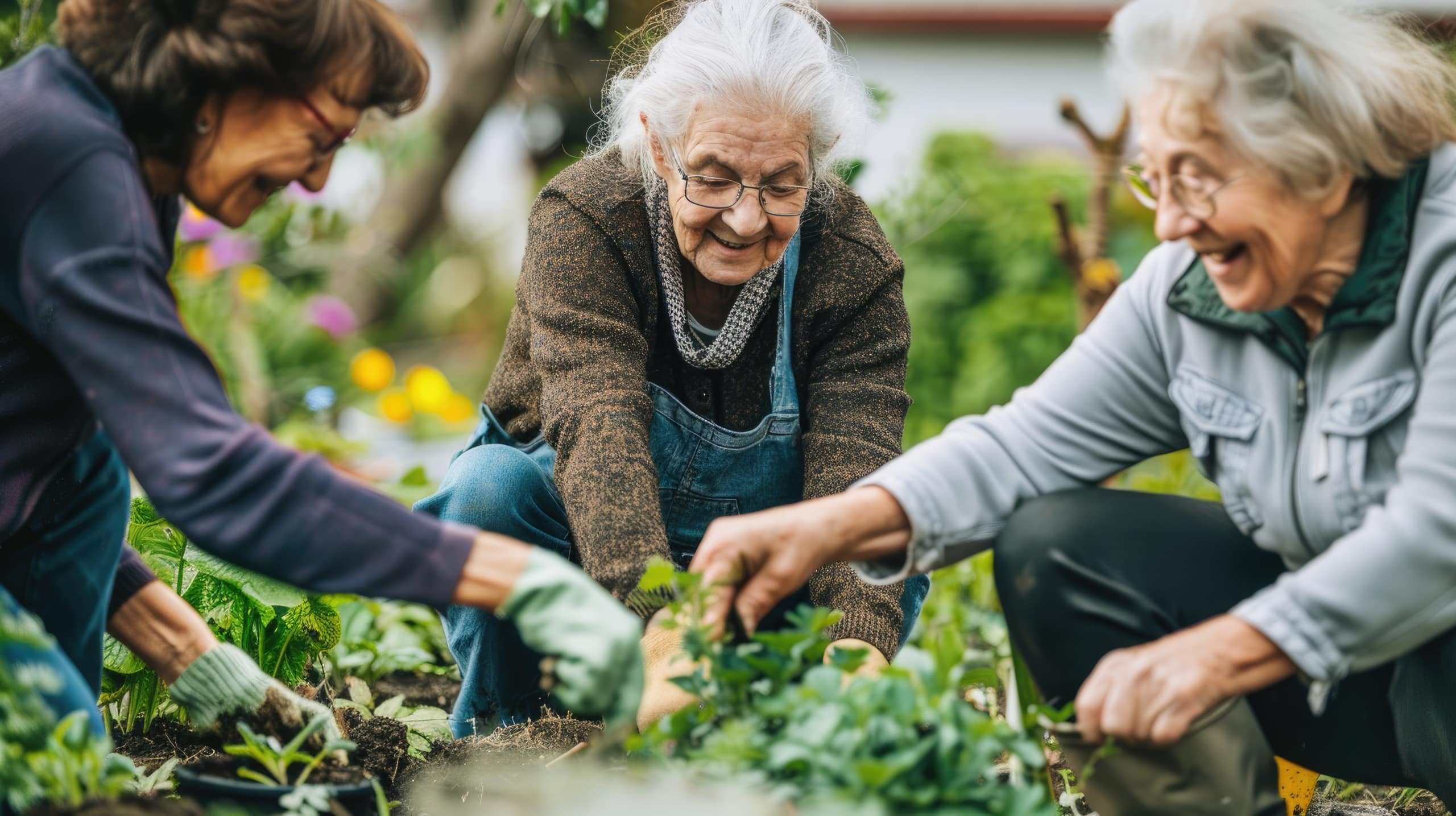
Occupational Therapy: A Pillar of Holistic Care
April serves as Occupational Therapy (OT) Month, an ideal time to reflect on the role of professionals who view "occupation" not as a job, but as the meaningful activities of daily life. Occupational therapists are trained to look at a person’s environment and daily tasks to identify how they can be modified to improve independence and well-being.
In the context of the AJOT study, the OT’s role was crucial. They did not just provide plants and tools; they structured the environment to be accessible, safe, and engaging. They facilitated the social dynamics of the group and ensured that the physical tasks were tailored to the individual capabilities of each resident. This highlights a broader truth: when we treat the "occupations" of an older adult—their hobbies, their chores, their passions—with the same clinical respect as their medication regimens, the outcomes for health and happiness are significantly improved.
Implications for Future Care and Policy
The implications of these findings are profound for both the aging population and the institutions that support them.
Moving Beyond the Clinical Model
If gardening can provide such tangible benefits in just five weeks, imagine the impact of institutionalizing these programs. Transitional housing, assisted living facilities, and senior centers should prioritize the development of accessible green spaces. This is not merely an aesthetic improvement; it is a clinical intervention that could potentially reduce the reliance on pharmaceutical treatments for anxiety, depression, and physical stagnation.
Safety as a Prerequisite
While the benefits are clear, the National Institute on Aging (NIA) emphasizes the importance of safety. For older adults, the transition to outdoor gardening must be managed with care. This includes:
- Ergonomic Planning: Using raised beds to eliminate the need for bending or kneeling.
- Tool Modification: Selecting ergonomic tools with large, comfortable grips.
- Hydration and Sun Protection: Ensuring proper hydration and sun safety to mitigate the risks associated with heat exhaustion.
- Accessibility: Ensuring that garden paths are level and free of tripping hazards.
The "Green Prescription"
As we look toward the future of aging, the medical community should consider the "green prescription." Just as a doctor might prescribe a daily walk or a change in diet, they could formally recommend horticultural therapy. Integrating nature into the care plan acknowledges the complexity of human health—that we are not just biological machines, but living beings who thrive in connection with the cycles of the earth.
Conclusion: A Call to Action this April
As we approach April 22, let us look beyond the elementary school lessons of the past. Earth Day is not just a reminder to recycle or pick up litter; it is an invitation to engage with the natural world in a way that nourishes our own longevity.
Whether you are in a high-rise apartment or a suburban home, the opportunity to garden is accessible. It might be as simple as a few herbs on a windowsill, a single potted tomato plant on a patio, or joining a local community garden.
For the older adult, these small acts are a reclamation of purpose. When you pull a weed, you are engaging in a tactile exercise of patience. When you snip a flower, you are participating in the aesthetics of your environment. When you plant a seed, you are expressing an optimistic belief in the future.
This spring, step outside. Breathe in the air, feel the texture of the earth beneath your fingers, and remember that, at any age, you are part of a growing, living, and thriving world. As the AJOT study proves, you don’t just grow a garden; in the process, you grow yourself.
For those interested in integrating gardening into their routine, resources on safe outdoor recreation for older adults can be found through the National Institute on Aging. Start small, stay safe, and let your well-being bloom.