






WASHINGTON — In a move that underscores the persistent vulnerabilities within the national food supply chain, federal health authorities have issued a high-priority recall for a widespread batch of alfredo sauce. The product, distributed across dozens of U.S. states, has been flagged for potential contamination with Salmonella, a pathogen that poses significant health risks to consumers.
The U.S. Food and Drug Administration (FDA) has classified the recall as a "Class I" event, the agency’s most serious designation, indicating that there is a "reasonable probability" that the consumption of the contaminated product could lead to severe, life-altering health consequences or even death.
The Scope of the Recall
The recall involves a significant volume of product manufactured by The Coffee Connexion Co. Inc., based in Lebanon, Tennessee. According to FDA enforcement reports, the recall centers on 913 cases of alfredo sauce. Given that each case contains 12 sealed bags, with each bag weighing approximately 3.1 pounds (1.36 kilograms), the total weight of the recalled inventory exceeds 34,000 pounds.
The contamination is reportedly linked to a dry milk powder ingredient sourced by the manufacturer. Dry milk products are common additives in shelf-stable and refrigerated sauces, used to provide creaminess and consistency. However, if the raw ingredient is improperly processed or cross-contaminated at the supplier level, the resulting final product can harbor dangerous bacteria.
Chronology of the Safety Crisis
The timeline of this safety incident highlights the complexity of identifying contamination in the modern food distribution network.
- Initial Discovery: Last month, internal quality assurance protocols or preliminary supply chain auditing identified the potential for Salmonella contamination within a specific batch of dry milk powder.
- Voluntary Action: Upon notification of the ingredient’s risk, The Coffee Connexion Co. Inc. moved to initiate a voluntary recall. Voluntary recalls are the industry standard for removing products from shelves before regulatory mandates are required, signaling a proactive, albeit delayed, attempt to mitigate consumer harm.
- Regulatory Designation: Earlier this month, the FDA formally reviewed the case. Following a risk assessment, the agency elevated the status to a Class I recall, triggering national alerts to wholesalers, distributors, and retail partners.
- Current Status: As of mid-June 2026, federal officials are working to ensure that all affected units are accounted for. The company, based in Lebanon, Tennessee, has yet to provide public comments regarding the specific supply chain breakdown that led to the ingredient contamination.
Understanding Salmonella: Symptoms and Clinical Risks
Salmonella is one of the most common causes of foodborne illness in the United States, yet its impact can range from mild discomfort to severe, systemic infection.
The bacteria primarily attack the gastrointestinal tract. Most healthy individuals experience the onset of symptoms within 12 to 72 hours of ingestion. Common clinical manifestations include:
- Acute Diarrhea: Often bloody or severe in nature.
- Febrile Response: High fever is a hallmark of salmonellosis, often accompanied by chills.
- Abdominal Cramping: Intense pain caused by the inflammation of the intestinal lining.
For the vast majority of patients, the illness is self-limiting, typically resolving within four to seven days without specialized medical intervention. However, the risk profile changes dramatically for vulnerable populations. Children under the age of five, the elderly (specifically those over 65), and individuals with compromised immune systems—such as those undergoing chemotherapy or living with chronic conditions like diabetes—are at heightened risk for invasive infections.
In these cases, the bacteria can escape the intestinal tract and enter the bloodstream, potentially leading to arterial infections, endocarditis, or arthritis. These complications require aggressive antibiotic treatment and, in some instances, hospitalization.
The FDA’s Role and Regulatory Oversight
The FDA’s enforcement report serves as the primary mechanism for warning the public about this specific incident. However, the lack of immediate response from the agency regarding further inquiries on June 15, 2026, highlights the ongoing tension between regulatory transparency and the logistical hurdles of managing a nationwide recall.
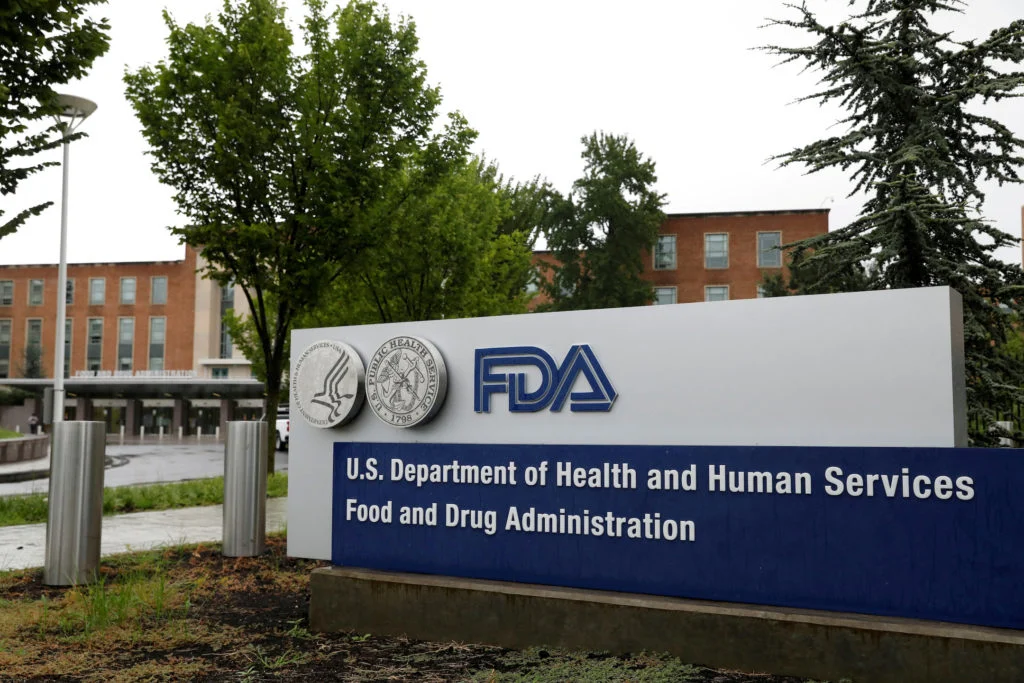
The FDA headquarters in White Oak, Maryland, acts as the nerve center for these operations. When a recall is issued, the agency relies on a tiered system of oversight:
- Class I: Dangerous or defective products that predictably could cause serious health problems or death.
- Class II: Products that might cause a temporary or medically reversible adverse health consequence.
- Class III: Products that are unlikely to cause adverse health consequences but violate FDA labeling or manufacturing laws.
By designating this alfredo sauce as Class I, the FDA has signaled that the potential for harm is high. This classification requires the manufacturer to notify every recipient of the product and, in many cases, issue press releases to ensure the public is aware of the danger.
Implications for Food Safety and Supply Chain Integrity
This recall brings to light several critical issues regarding the safety of processed food ingredients.
The Vulnerability of Dry Ingredients
Dry milk powder, spices, and flours are often viewed as low-risk ingredients due to their low water activity, which typically inhibits bacterial growth. However, Salmonella is highly resilient and can survive in a dormant state for long periods in dry environments. If a product like alfredo sauce is not subjected to a "kill step"—such as high-heat pasteurization—after the dry ingredients are introduced, any contamination present in the powder will survive and potentially thrive once the sauce is rehydrated or stored in temperature-controlled environments.
Supply Chain Traceability
The fact that this recall involves dozens of states speaks to the efficiency of the modern supply chain, but also its fragility. A single contaminated ingredient can be distributed across thousands of miles, turning a localized production error into a national health crisis within days. Manufacturers are increasingly under pressure to implement "blockchain" or advanced digital tracking methods to ensure that if a supplier reports a contamination, the affected batches can be quarantined within minutes rather than weeks.
Public Trust and Consumer Vigilance
For the average consumer, this news serves as a reminder of the importance of checking labels and staying informed. While the FDA provides an online database for enforcement reports, many consumers remain unaware of these alerts until they hear them through traditional news media.
Consumers are advised to:
- Check their pantries: If you have recently purchased alfredo sauce from a bulk supplier or retail store, cross-reference the batch numbers with the FDA’s official recall database.
- Do not consume: If you possess a product that may be part of the recall, do not taste it to see if it "seems okay." Salmonella does not change the smell, taste, or appearance of food.
- Seek medical advice: If you have consumed a product and are experiencing symptoms, contact a healthcare provider immediately and mention the possibility of foodborne illness.
Conclusion: A Call for Stricter Standards
As the investigation into The Coffee Connexion Co. Inc. continues, the industry is once again reminded of the critical nature of rigorous supplier verification programs. While voluntary recalls are essential, the goal of federal health policy remains the prevention of contamination before it ever reaches the production line.
Until the FDA provides further clarity on the source of the contamination and confirms that all recalled products have been successfully removed from circulation, the incident serves as a stark reminder that even everyday pantry staples require vigilant oversight to ensure the safety of the American food supply. Future policy discussions will likely focus on strengthening the requirements for dry ingredient sterilization and enhancing the speed at which the FDA communicates these risks to the public.