











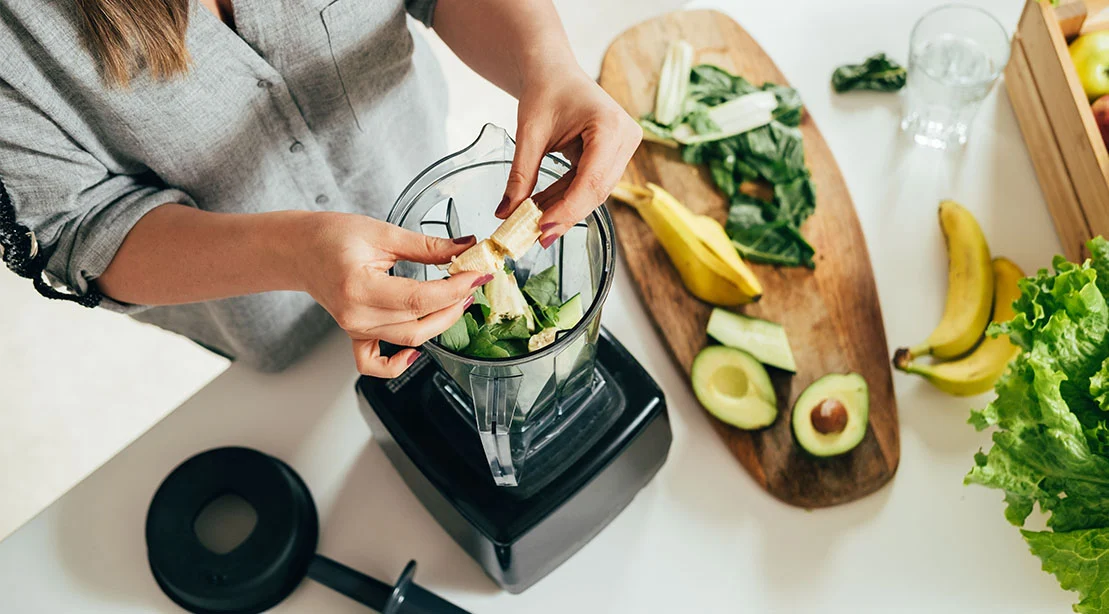
As the mercury rises and "flip-flop season" hits its peak, your blender is likely becoming the most utilized appliance in your kitchen. For the fitness-conscious individual, the smoothie has evolved from a simple snack into a strategic tool—a nutritional delivery system designed to accelerate muscle recovery, replenish glycogen stores, and provide a convenient way to fuel a demanding lifestyle. However, the line between a "nutritional hero" and a "liquid calorie trap" is remarkably thin.
Crafting the perfect smoothie requires more than just tossing random ingredients into a carafe. It requires an understanding of macronutrient ratios, biochemical interactions, and the subtle art of ingredient selection. To help you navigate the blender landscape, we have synthesized the latest nutritional research to help you build a better smoothie from the blades up.
The Caloric Calculus: Understanding Energy Density
The most common mistake amateur blenders make is ignoring the cumulative caloric impact of their ingredients. It is easy to view a smoothie as a "healthy drink" and assume it is inherently low-calorie, but a combination of peanut butter, full-fat yogurt, multiple scoops of protein powder, and high-sugar fruits can quickly exceed 800 to 1,000 calories.
The Problem with Liquid Calories
Unlike solid food, liquid calories lack the satiety factor associated with chewing and gastric distension. Research consistently shows that liquid nutrition does not suppress ghrelin (the hunger hormone) as effectively as solid food. Therefore, if your goal is body composition management, you must be vigilant.
For the average individual, a standard smoothie should remain within the 350 to 400-calorie range. Wiggle room exists for those engaging in high-intensity, "calorie-crushing" workouts or those using the smoothie as a complete meal replacement. However, if your shake is intended to be a post-workout supplement, exceeding this threshold may impede your progress toward lean body mass goals.
The "Banana Paradox": A Biochemical Mismatch
Bananas are the industry standard for smoothies—they provide an ideal texture, a cost-effective price point, and a pleasant, mild sweetness. However, recent findings from the University of California, Davis, suggest that your favorite smoothie base might be sabotaging your antioxidant intake.
The Polyphenol Oxidase Issue
The research highlights a critical biochemical interaction: bananas are high in an enzyme known as polyphenol oxidase (PPO). When bananas are blended with berries—such as blueberries, blackberries, or grapes—the PPO enzyme rapidly degrades the flavanols, the very plant compounds linked to improved heart health and reduced inflammation.
By adding a banana to a berry-heavy smoothie, you may be effectively neutralizing the health benefits of your berries. If you are blending for maximum antioxidant density, consider substituting bananas for low-PPO fruits like pineapple, mango, or oranges. These alternatives provide the necessary sweetness and acidity without the detrimental enzymatic reaction.
Macronutrient Synergy: Balancing Your Blend
A truly functional smoothie must be macro-balanced. An over-reliance on carbohydrates (fruit/oats) leads to rapid insulin spikes, while an over-reliance on protein without sufficient fiber or healthy fats can lead to poor digestion and suboptimal nutrient partitioning.
- Carbohydrates: Utilize complex sources like rolled oats or fibrous vegetables, alongside moderate amounts of fresh or frozen fruit.
- Healthy Fats: Incorporate flax seeds, hemp hearts, avocado, or high-quality nut butters to slow the absorption of sugars and support hormonal health.
- Proteins: Choose high-quality sources such as whey isolate, casein, or clean plant-based blends.
This tripartite approach ensures that your body receives a sustained release of energy rather than a frantic, short-lived spike.
The Hidden Additives: Navigating the Protein Powder Landscape
The protein powder industry is often criticized for the use of emulsifiers—food additives like gums (xanthan, guar) that stabilize the texture and improve shelf life. While these additives are generally recognized as safe, emerging research into the human microbiome suggests that chronic exposure to certain emulsifiers may alter gut bacteria composition, potentially increasing the risk of metabolic inflammation and long-term health issues.
Identifying the Clean Label
If you are consuming multiple protein shakes a day, you are likely hitting a "red zone" for these additives. To mitigate this, look for brands that prioritize "clean" labeling. Manufacturers such as Drink Wholesome, Naked Nutrition, Equip, and Momentous have made strides in removing these synthetic gums. When shopping, prioritize labels with fewer than five ingredients; if you can’t pronounce it, your gut probably doesn’t want to process it.
The Recovery Edge: Sodium and Rehydration
In the quest for health, many have demonized salt. However, for the athlete, sodium is a critical electrolyte that facilitates water retention and muscle function. Following an intense, sweat-heavy training session, your body has lost significant amounts of electrolytes.
Adding a mere 1/8 teaspoon of sea salt to your post-workout smoothie can significantly improve rehydration efficiency. By maintaining adequate sodium levels, you ensure that the water you consume is actually utilized by your cells, rather than simply excreted. Note: If your recipe includes naturally salty ingredients like cottage cheese, adjust your supplemental salt accordingly.
Sneaky Nutrition: The Case for Raw Vegetables
Smoothies provide an unparalleled opportunity to increase your daily intake of micronutrients through vegetables. While most people stick to fruit, integrating spinach, cauliflower, carrots, or even cooked beets can turn a drink into a nutrient-dense powerhouse.
A study published in the journal Food Chemistry found that the process of pureeing raw spinach can actually release higher levels of lutein and other antioxidants compared to consuming the leaves whole. The mechanical breakdown of the cell walls makes these nutrients more bioavailable. When paired with strong flavor profiles—like frozen berries, ginger, or cocoa powder—you can mask the "earthy" taste of the vegetables entirely, ensuring you get your servings without the palate fatigue of a massive salad.
The Sugar Trap: Avoiding the "Liquid Candy" Effect
It is a common misconception that because fruit sugar (fructose) is "natural," it has no impact on weight management. When you combine dates, honey, juice, and multiple servings of fruit, you create a caloric and glycemic load that rivals processed soft drinks.
The Golden Rule: Limit your smoothie to no more than two sources of sugar. If you are using fruit, omit the honey or agave. If you are using yogurt, ensure it is plain, unsweetened, and free from fruit-on-the-bottom additives. By controlling the sugar inputs, you keep the smoothie within the realm of a health food rather than a dessert.
The Final Touch: Spices as Functional Food
To elevate a smoothie from "nutritionally adequate" to "culinary delight," look no further than your spice rack. Beyond flavor enhancement, spices provide concentrated health benefits:
- Cinnamon: Helps regulate blood glucose levels.
- Ginger: Aids in digestion and reduces post-workout muscle soreness.
- Cayenne: May help increase metabolic rate.
- Cloves: Offer a massive dose of antioxidants.
The Blueprint: The "Berry Cheesecake" Model
To synthesize these lessons, we recommend a balanced, high-protein, antioxidant-rich profile. This recipe adheres to the principles of nutrient density and macro-balancing.
The Berry Cheesecake Smoothie
- 1 scoop high-quality, additive-free vanilla protein powder.
- ½ cup frozen blueberries (ensure no banana is added here).
- ½ cup low-fat cottage cheese (provides protein and natural salt).
- 1 tbsp ground flax seeds (healthy fats).
- 1 cup unsweetened almond milk.
- 1 pinch of sea salt.
- 1 dash of cinnamon.
Instructions:
- Combine all ingredients in a high-speed blender.
- Add a handful of ice if a thicker consistency is desired.
- Blend on high until the texture is uniform and the spinach (if added) is fully emulsified.
By viewing your smoothie as a tactical recovery tool rather than just a quick meal, you can transform your nutrition strategy. Remember: optimize your ingredients, balance your macros, and respect the biochemistry of your body. Your blender is only as good as the fuel you put inside it.