










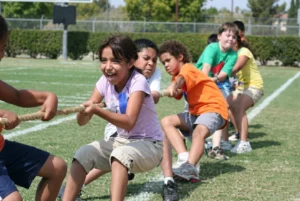
For generations, the onset of summer vacation has been synonymous with a shift from the structured classroom to the freedom of the outdoors. The imagery is classic: children sprinting across sun-drenched parks, neighborhood bike brigades, and long, unstructured afternoons. However, a modern paradox has emerged. While summer is theoretically a season of movement, recent research indicates that for many children, the transition away from school schedules leads to a decline in physical activity.
As the lines between organized sports and physical literacy continue to blur, fitness professionals, educators, and parents are being urged to rethink how we define "youth fitness." The goal is shifting away from the narrow focus on athletic competition and toward the cultivation of a lifelong, joyful relationship with physical activity.
The Summer Activity Paradox: Why "Free Time" Doesn’t Equal "Active Time"
Contrary to the popular belief that summer naturally fosters a more active lifestyle, the reality is far more nuanced. The school environment—despite its reputation for being sedentary—actually acts as a consistent engine for physical movement. From the daily trek between classrooms and the active nature of recess to formal physical education (PE) classes and the routine of walking or cycling to campus, the school day provides a "baseline" of movement that many children lose the moment the final bell rings in June.
The Chronology of Decline
- The School-Year Foundation: Consistent, daily movement is woven into the academic calendar. Even for the most sedentary child, the school structure mandates a level of physical transition that burns calories and maintains motor skills.
- The Summer Transition: Upon entering the break, the loss of this mandatory movement is often exacerbated by an increase in screen-time, irregular sleep patterns, and the "sedentary creep" of less-structured days.
- The Environmental Barrier: In many regions, the rising intensity of summer heat poses a legitimate safety concern, effectively locking children indoors and away from the parks and playgrounds that might otherwise serve as their primary fitness hubs.
- The Parental Challenge: For working families, the absence of school-provided structure creates a logistical hurdle. Without the organized "container" of the school day, finding the time and resources to facilitate physical activity often falls to the bottom of a busy to-do list.
Beyond the Scoreboard: The Sports-Fitness Misconception
One of the most persistent hurdles in the public perception of health is the conflation of "sports" with "physical activity." While youth sports programs are vital for fostering teamwork, communication, and discipline, they represent only one narrow pathway to physical literacy.
When we equate fitness exclusively with organized athletics, we inadvertently alienate a significant portion of the youth population. Children who do not find joy in competition—or who lack the financial and logistical access to elite travel teams—may begin to internalize a dangerous narrative: “I am not an athlete, therefore I am not a person who exercises.”
Fitness professionals are now emphasizing that movement is a spectrum. A child climbing a tree, dancing in the living room, or hiking a local trail is developing the same foundational motor skills as a child on a soccer pitch. By broadening the definition of fitness to include diverse, non-competitive forms of movement, we open the door for a much wider range of children to find their "movement identity."
Supporting Data: The Science of Movement
The shift toward a more holistic view of youth health is supported by an increasing body of academic research. Studies published in journals such as Sports Medicine and Pediatrics highlight that physical literacy—the motivation, confidence, and competence to move—is a stronger predictor of long-term health than sport-specific skill.
- Motor Competence: Research suggests that children who develop a broad base of movement skills (running, jumping, throwing, balancing) in multiple environments are more likely to remain active as adults.
- The Power of Play: According to data from the Applied Physiology, Nutrition, and Metabolism journal, unstructured play is not merely a break from "real" exercise; it is a critical developmental period where children learn problem-solving and creative movement, often without the pressure of performance anxiety.
- The Risk of Specialization: Over-specialization in a single sport during the formative years can lead to burnout and repetitive stress injuries. Conversely, variety in physical activity encourages well-rounded development and keeps the "fun" in fitness, which is the primary driver of adherence.
The Role of Physical Literacy: A New Framework
The concept of "Physical Literacy" is the cornerstone of this modern movement. Unlike fitness, which measures output (how fast, how far, how heavy), physical literacy measures the internal state of the individual. It asks: Does the child feel confident moving their body? Do they have the knowledge to try a new activity? Are they motivated to seek out movement?
Key Pillars of Physical Literacy:
- Motivation: The desire to move because it feels good, not because of external rewards like trophies.
- Confidence: The belief in one’s own ability to handle physical challenges.
- Physical Competence: The actual ability to navigate the physical world with balance, coordination, and agility.
- Knowledge: Understanding the importance of movement and how to integrate it into daily life.
By fostering these traits, we ensure that when the "organized sports season" ends, the child’s personal commitment to being active does not end with it.
Professional Perspectives: How Coaches and Trainers are Pivoting
Fitness professionals are currently undergoing a professional evolution. In community centers, camps, and private training sessions, the focus is moving away from "mini-adult" workouts and toward "movement-rich" environments.
"We aren’t looking to create miniature bodybuilders," says one regional youth coach. "We are looking to create kids who, at age 30, still want to go for a run, join a recreational yoga class, or bike to work. If we can make the experience of moving feel like a reward rather than a chore, we’ve won the battle."
Strategic Shifts in Programming:
- Gamification: Replacing repetitive drills with challenges that require problem-solving, like obstacle courses or scavenger hunts.
- Multi-Disciplinary Exposure: Instead of focusing on one sport, programs are rotating through climbing, agility games, swimming, and martial arts to build a robust physical foundation.
- Parental Education: Helping parents understand that success isn’t defined by the scoreboard, but by the child’s willingness to engage in movement independently.
Implications: The Long-Term Vision
The ultimate goal of redefining youth fitness is to create a culture of lifelong health. When we view the summer months as a laboratory for physical literacy rather than a gap in a sports schedule, we empower children to take ownership of their own well-being.
The long-term implications of this shift are profound:
- Reduced Chronic Disease: By normalizing movement from a young age, we mitigate the risk of sedentary-related health issues in adulthood.
- Psychological Resilience: Movement that is tied to curiosity and play fosters mental well-being, providing children with a healthy outlet for stress and anxiety.
- Inclusivity: By removing the barrier of "elite" competition, we ensure that children of all backgrounds and ability levels can access the benefits of a healthy lifestyle.
Conclusion: A Movement for Every Child
As summer fades and the academic year begins, the lessons learned in the backyard, the local park, and the community fitness center should not be abandoned. The goal is to carry the spirit of "movement for the sake of movement" into the classroom and beyond.
Organized sports will always have their place in the lives of many, offering structure, team spirit, and competitive growth. However, the future of public health relies on our ability to look beyond the sidelines. By encouraging children to move because they love the sensation of their own capability, we aren’t just raising athletes; we are raising a generation of active, healthy, and confident adults. Fitness, after all, is not a destination found on a court or a field—it is a lifelong journey of exploring what the human body is capable of doing.