WASHINGTON — Eight months after Environmental Protection Agency (EPA) Administrator Lee Zeldin made a high-profile pledge to formalize a "Make America Healthy Again" (MAHA) agenda, the promised roadmap for tackling chronic disease and environmental toxicity has vanished into a bureaucratic void. What began as a strategic alliance between the Trump administration and a powerful grassroots health movement has soured, leaving activists, scientists, and political observers questioning the sincerity of the administration’s commitment to environmental reform.
The saga of the "missing agenda" highlights a growing schism within the Republican base. As the Trump administration prioritizes aggressive deregulation, it finds itself increasingly at odds with a core constituency—the MAHA movement—that views industrial pollutants, pesticides, and "forever chemicals" as existential threats to the American public.
The Genesis of a Broken Promise
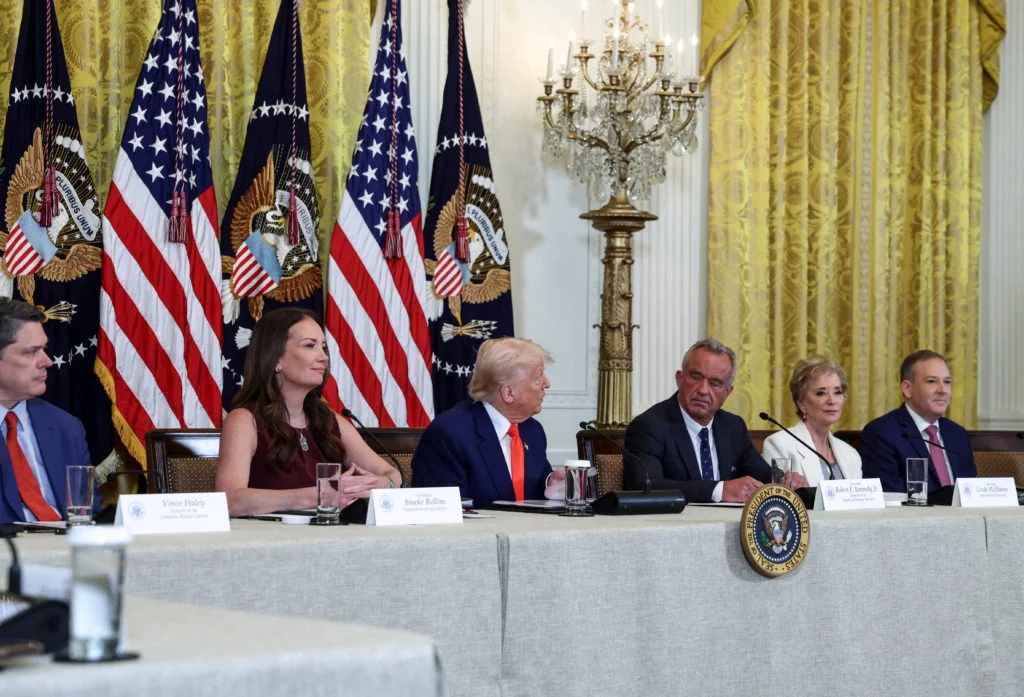
The MAHA movement, championed by Health Secretary Robert F. Kennedy Jr., surged to political prominence during the most recent election cycle. By framing chronic disease, toxic exposure, and food safety as urgent national priorities, the movement became a critical voting bloc in President Donald Trump’s successful bid to reclaim the White House.
In December, following a heated petition drive by activists demanding greater oversight of toxic chemicals, Administrator Zeldin stepped into the fray. He publicly committed to drafting a formal EPA agenda dedicated to MAHA priorities. The move was interpreted as a signal that the agency—often the target of intense criticism from the environmental health community—was finally ready to integrate the movement’s demands into its regulatory framework.
However, eight months later, that formal document remains non-existent. When pressed for a status update, the EPA shifted its messaging entirely. An agency spokesperson recently stated that "MAHA is an ongoing effort, not a single report," effectively reframing the commitment from a concrete, accountable policy document into an abstract, perpetual process.
A Chronology of Disillusionment
The frustration among MAHA activists has been mounting as a series of legislative and executive maneuvers by the EPA have directly contradicted the movement’s core mission.
- December 2024: Administrator Zeldin pledges to release a formal MAHA environmental health agenda following public pressure.
- Early 2025: The White House releases a broader MAHA report identifying chemical exposure as a leading cause of pediatric chronic disease, raising expectations for immediate regulatory action.
- Spring 2025: Zeldin announces a "greatest day of deregulation" in American history, rolling back dozens of environmental standards and freezing clean energy funding.
- April 2025: In a public relations win, the EPA lists microplastics and pharmaceuticals as potential targets for regulation under the Safe Drinking Water Act.
- June 2025: The EPA quietly reverses course, omitting these substances from a mandatory testing program, citing technological and logistical barriers.
- Late Summer 2025: The Supreme Court sides with pesticide manufacturer Bayer in a major liability case involving Roundup weedkiller, a ruling backed by the Trump administration.
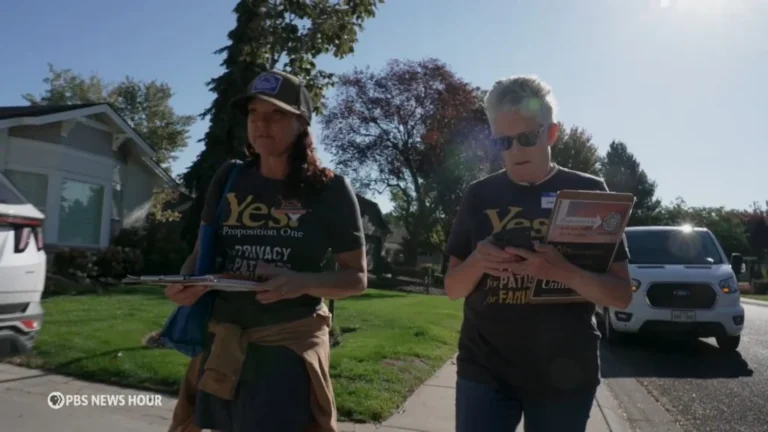
For activists like Kelly Ryerson, the face of the "Glyphosate Girl" social media movement, this trajectory has been devastating. "I had really hoped that there would be specific steps that were taken through a MAHA agenda," Ryerson said. "We haven’t had any of the wins that we were requesting."
The "Deregulation" Paradox
The EPA under Zeldin has adopted a dual-track strategy. On one hand, it occasionally acknowledges MAHA-aligned concerns; on the other, it pursues a relentless deregulatory path that critics argue facilitates the very health crises the MAHA movement aims to solve.
Zeldin’s tenure has been marked by the overturning of landmark findings that link climate change to human health, the freezing of research initiatives, and the systematic dismantling of environmental guardrails. When challenged on the lack of a MAHA report, the agency has argued that its regulatory actions—however deregulatory they may be—are inherently part of its "active and expanding" work.
This rhetoric has failed to convince experts. Betsy Southerland, a former senior official in the EPA’s water office, characterizes the agency’s recent moves as "functionally toothless." The decision to exclude microplastics from mandatory testing, despite earlier fanfare, is seen by Southerland as a classic case of the EPA "quietly stalling momentum" after capturing headlines with populist promises.
Industry Influence: The Revolving Door
A central point of contention for MAHA supporters is the influx of former industry lobbyists into key EPA positions. The presence of these individuals, critics argue, creates an inherent conflict of interest that renders the agency incapable of acting in the interest of public health.
Kyle Kunkler, who previously lobbied for the soybean industry, now oversees pesticide policy at the EPA. His tenure has already seen the agency permit the continued use of dicamba, a controversial weedkiller linked to cancer risks. Similarly, the Office of Chemical Safety and Pollution Prevention is led by Nancy Beck, a former executive at the American Chemistry Council—the very lobbying group that has historically fought to limit chemical regulations.
"This is what happens when the EPA allows itself to be pressured by corporations and by business," said Zen Honeycutt, executive director of Moms Across America. While the EPA maintains that these appointees have consulted with ethics officials to avoid conflicts, the optics of these appointments have severely damaged the agency’s credibility with the MAHA coalition.
Political Implications: Midterms and Beyond
The political stakes of this friction are significant. Many within the MAHA movement have begun to signal that they are willing to prioritize health outcomes over party loyalty in the upcoming congressional elections. By mobilizing their base against candidates who support the current EPA status quo, they threaten to create a new, non-partisan axis of political influence.
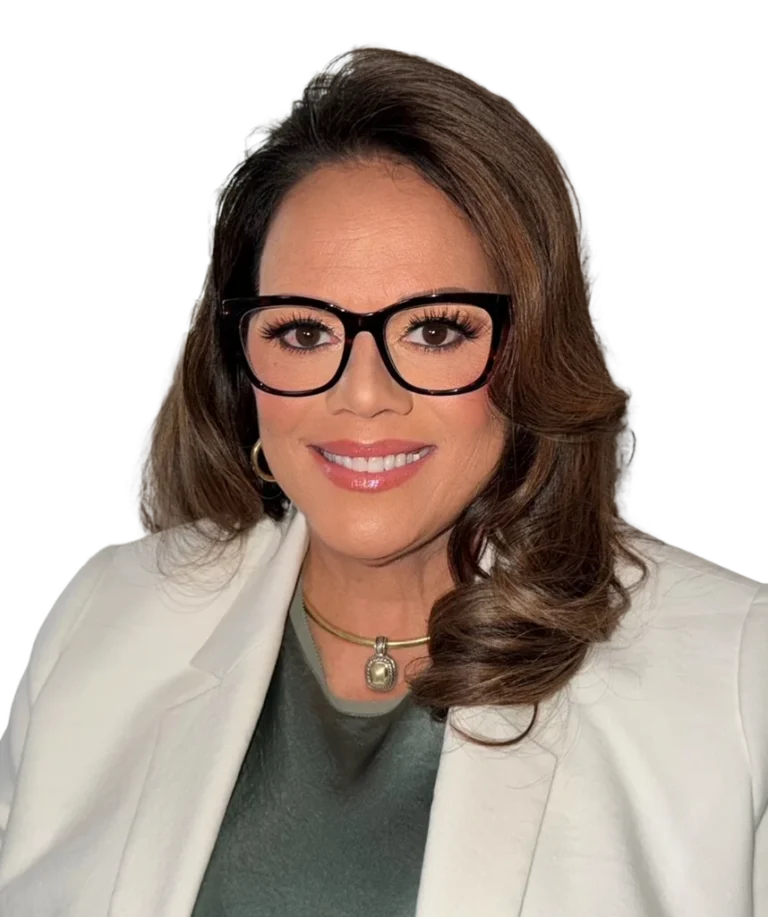
"People are done with the profits of corporations being prioritized over public health," noted Alexandra Muñoz, a molecular toxicologist. "I think that will have an important role in the midterms."
The EPA’s failure to produce the promised agenda has provided a convenient political shield, according to activists. By refusing to commit to a formal list of goals, the administration avoids the risk of being held accountable for specific failures. "It absolves them of any failures," Ryerson explained. "They won’t have to point to some list that they haven’t been able to achieve."
The Road Ahead
As the administration continues to balance the demands of industry with the growing, vocal pressure of the MAHA movement, the EPA finds itself in an increasingly precarious position. While the agency continues to announce minor initiatives—such as collaborations with the USDA and HHS to address heavy metals in food—these are viewed by many as insufficient distractions from larger policy rollbacks.
For the MAHA movement, the "missing agenda" is more than just a bureaucratic failure; it is a symbol of a broader betrayal. As Sarah Starman of Friends of the Earth noted, the movement has successfully forced the public to scrutinize the administration’s actions with unprecedented intensity. Whether that scrutiny translates into electoral consequences will likely depend on whether the EPA decides to pivot toward substantive action or continues to operate as an agency in deep, fundamental conflict with the very people who helped put it in power.
As the midterm season approaches, the question remains: Can the Trump administration repair its relationship with a movement it once courted, or has the divide over environmental policy become an irreparable rupture? For now, the "MAHA agenda" remains what it has been for eight months: a promise without a plan, and a policy without a home.