For generations, the kitchen has been a laboratory of tradition. For many, the childhood memory of butter—smeared thick on warm sourdough, folded into flaky pastry, or melted into potatoes—is a foundational sensory experience. Yet, when nutrition science enters the conversation, the humble stick of butter often finds itself under the microscope, frequently compared to its modern counterpart: margarine.
As a food scientist, I have spent my career unraveling the subtle chemical distinctions between these two staples. While they may look similar on a plate, their molecular architecture and the industrial processes that bring them to our tables reveal a complex narrative of chemistry, biology, and culinary utility.
The Molecular Foundation: What Are We Actually Spreading?
At their core, both butter and margarine are emulsions—colloidal mixtures where tiny droplets of water are suspended within a continuous matrix of fat. The primary constituent of this matrix is the triglyceride, a molecule composed of three fatty acids attached to a three-carbon glycerol backbone.
The Geometry of Fat
The fundamental difference between butter and margarine lies in the configuration of these fatty acids. Butter is primarily composed of saturated fats. Because these molecules lack double bonds between their carbon atoms, they are chemically "straight," allowing them to stack together in a compact, organized structure. This structural rigidity is why butter remains firm at room temperature and possesses a distinct, gradual melting curve.
Conversely, margarine is derived from plant-based oils, which are rich in unsaturated fatty acids. These molecules contain double bonds that create "kinks" in the carbon chain. Because these chains cannot pack together neatly, margarine reacts differently to temperature and mechanical pressure. These molecular differences are not just abstract concepts; they dictate how air is trapped during the creaming process in baking, affecting the porosity and texture of the final product.
A Chronology of Consumption and Science
The history of these fats is a study of human innovation. Butter is one of our oldest food products, with standardized production methods dating back millennia. In contrast, margarine was developed in the 19th century as an economical, shelf-stable alternative, initially gaining traction as a way to provide affordable fats to a growing urban population.
The Rise of Food Science
The 20th century saw a dramatic shift in how we perceive these fats. As my own undergraduate nutrition professors debated the merits of margarine over butter, the conversation was largely driven by the burgeoning understanding of cholesterol and cardiovascular health. For decades, the public was encouraged to shun butter in favor of margarine, primarily to avoid saturated fats.
However, this transition had unintended consequences. Early manufacturing processes for margarine involved hydrogenation, which often created trans fats—compounds later linked to increased risks of heart disease. This led to a major industry pivot. Today, the margarine landscape is vastly different, dominated by advanced chemical processes rather than simple partial hydrogenation.
The Anatomy of Production: From Cream to Emulsion
Understanding the distinction between these two fats requires an examination of how they are born in the production facility.
The Churning of Butter
Butter production is a physical process rather than a chemical one. By aggressively churning or shaking cream, the protective membranes of fat globules are ruptured. The fat leaks out, coalescing into semi-solid grains. As the process continues, these grains aggregate, separating from the liquid buttermilk.
Some artisanal butters are "cultured," a process where lactic acid bacteria are introduced to ferment the lactose in the cream. This produces flavor compounds like diacetyl, resulting in the characteristic tang that separates premium European-style butters from sweet, uncultured varieties.
The Engineering of Margarine
Margarine production is an exercise in structural engineering. Since plant oils are liquid at room temperature, they must be transformed into a solid state. This is achieved through a process called interesterification. Unlike hydrogenation, this process rearranges the fatty acids on the glycerol backbone to create a more uniform, stable crystalline structure without the formation of harmful trans fats.
While this allows for precise control over melting points—making margarine ideal for specific industrial applications—it also classifies the product as an ultra-processed food. Notably, current labeling regulations do not require manufacturers to disclose whether a margarine has undergone interesterification, leaving consumers to rely on ingredient lists and brand transparency.
Supporting Data: Compositional Realities
Both products are required to meet strict definitions, though the standards differ significantly:
- Fat Content: Both must contain at least 80% fat, though many high-end butters reach 85%.
- Water Content: Both hover around 16%, with the remaining percentages composed of vitamins, minerals, lactose, and proteins.
- Coloration: Butter’s golden hue is a biological byproduct of beta-carotene found in the grass cows consume. Margarine, naturally colorless, relies on the addition of synthetic beta-carotene and flavor additives to mimic the sensory experience of dairy fat.
Official Standards and Regulatory Perspectives
The U.S. government maintains an "official standard of identity" for butter—one of the oldest regulatory frameworks in the country. This ensures that when a consumer buys a product labeled "butter," they are receiving a specific, consistent composition.
The regulatory environment for margarine is more fluid. Because the term "margarine" encompasses a wide variety of plant-based spreads—ranging from stick varieties intended for baking to low-fat squeeze bottles—the functional characteristics vary wildly. For instance, spreadable margarines often rely on higher water and air content to maintain their texture. Because baking is a chemical reaction that relies on precise ratios of fat and water, these spreads often fail to replicate the results of traditional butter in the oven.
Implications for the Modern Kitchen
The choice between butter and margarine is no longer just a matter of health; it is a matter of culinary performance.
The Maillard Reaction and Beyond
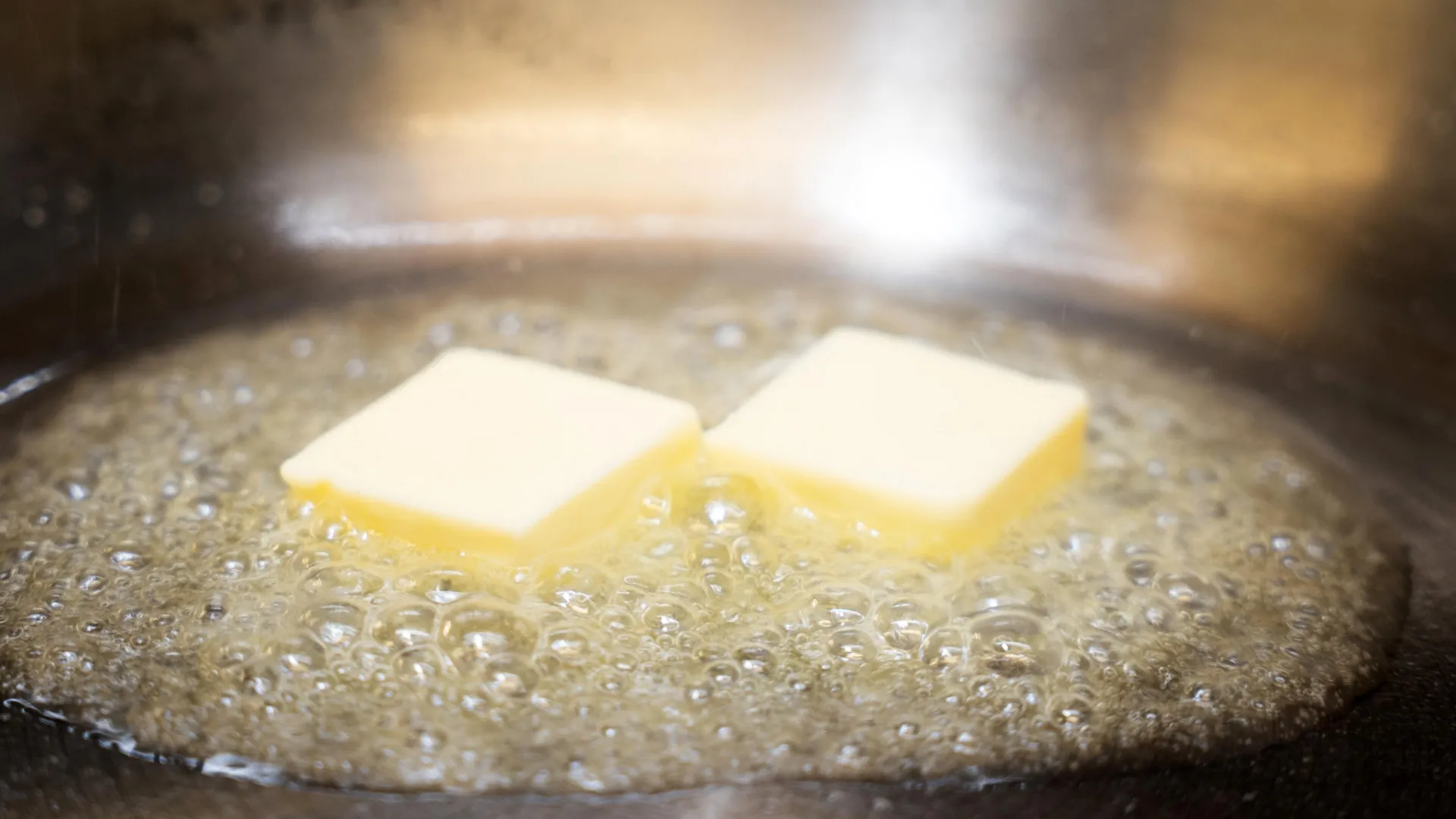
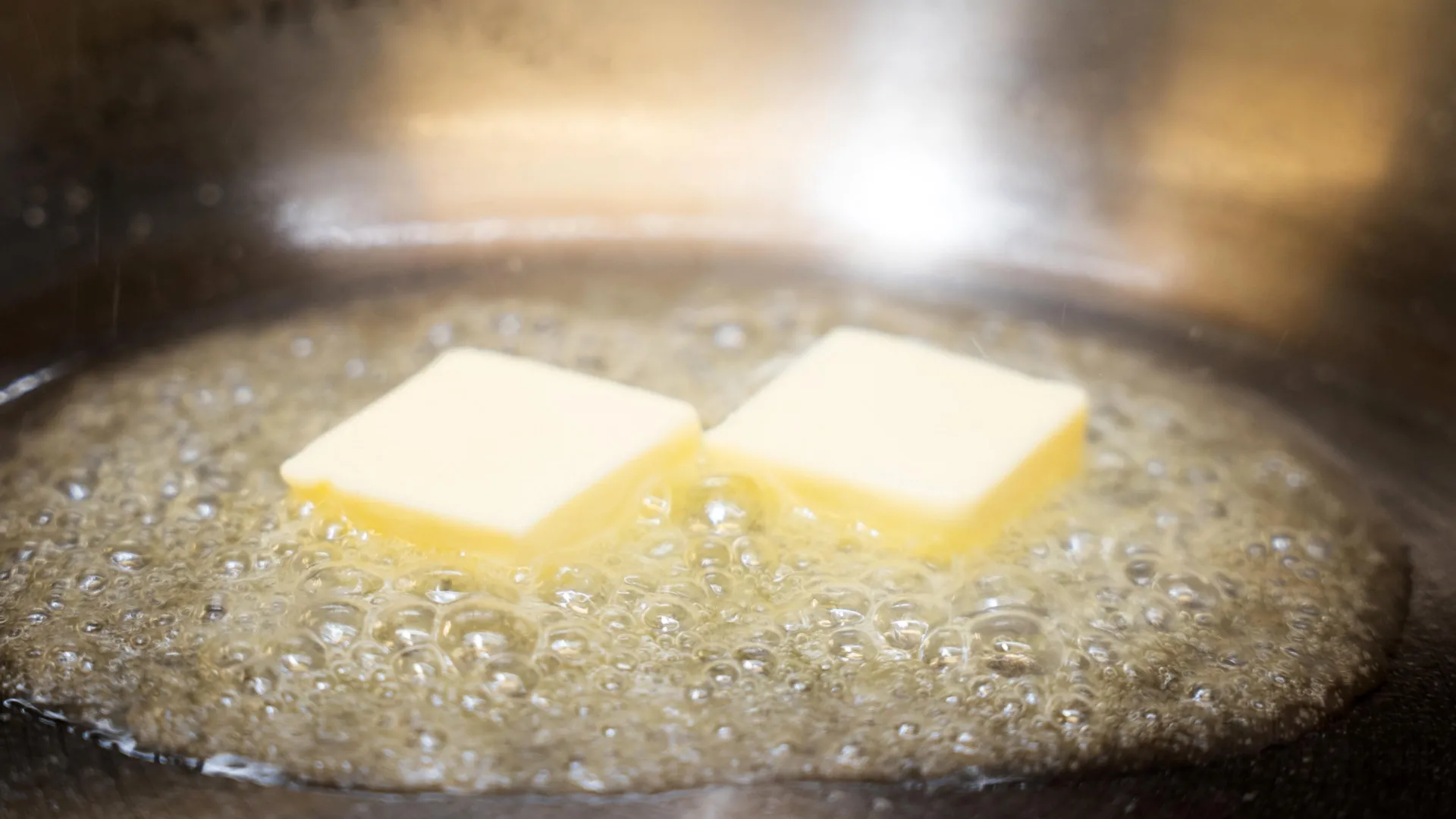
When butter is heated, the inherent lactose and proteins undergo the Maillard reaction—a complex series of chemical changes that produce brown pigments and toasted, nutty aromatic compounds. Because margarine lacks these specific milk proteins and sugars, it cannot brown in the same way, nor can it provide the depth of flavor required for delicate pastries or sautéed proteins.
Furthermore, the water content in butter is vital for the creation of steam in high-heat baking. This steam is what drives the rise and flakiness in biscuits, pie crusts, and croissants. While margarine contains water, its behavior under heat is inconsistent, often resulting in a product that lacks the desired "lift."
The Verdict on Utility
Margarine, however, possesses clear advantages in terms of shelf life and cost. Its controlled melting point makes it a reliable choice for frostings and spreads where a consistent texture is desired across a range of temperatures.
As we navigate the aisles of the supermarket, it is helpful to view these fats as tools in a toolkit. Butter remains the gold standard for flavor and structural integrity in baking due to its natural chemical composition. Margarine provides a modern, engineered solution for consistency and dietary management. By understanding the chemistry behind the spread—the stacking of saturated chains versus the kinking of unsaturated ones—the home cook can move beyond marketing labels and make informed decisions that elevate both the flavor and the function of their culinary creations.
In the end, whether you choose the product of the churn or the product of the laboratory, you are engaging in a centuries-old dialogue between food science and the human palate. Knowing the difference is the first step toward mastering the kitchen.