For 55-year-old Edward (Ed) Waldner, the onset of his illness was as subtle as it was unsettling. For months, a persistent, soul-crushing fatigue shadowed his every move. No matter how much he rested, the exhaustion remained, leaving him wondering if he was suffering from sleep apnea or perhaps the simple weight of mid-life stress. Then, the physical indicators became more difficult to ignore: a dragging heel, a subtle shift in his gait, and a creeping sense that his body was no longer entirely under his command.
When the symptoms reached a breaking point, a visit to the emergency department shattered his world. The diagnosis was swift and devastating: a mass on his brain. Subsequent testing confirmed it was glioblastoma—an aggressive, malignant, and notoriously stubborn form of brain cancer. For Waldner, like thousands of others, the path forward seemed bleak. Standard care involves a grueling triad of surgery, radiation, and chemotherapy, yet even with these aggressive interventions, glioblastoma remains one of the most difficult cancers to treat, with a high propensity for recurrence.
However, today, Waldner is part of a groundbreaking clinical trial at the University of Calgary that is shifting the paradigm of brain cancer treatment. By repurposing a common vitamin—niacin (Vitamin B3)—researchers are exploring a new frontier: reawakening the body’s own immune system to wage war against the tumor.
The Science of Rejuvenation: How Niacin Works
At the heart of this research are Dr. Gloria Roldan Urgoiti, a clinical associate professor and brain cancer specialist, and Dr. Wee Yong, a neuroscientist at the Cumming School of Medicine (CSM). Both are prominent members of the Hotchkiss Brain Institute and the Arnie Charbonneau Cancer Institute. Their collaboration represents a marriage of clinical expertise and deep-tissue biological research.
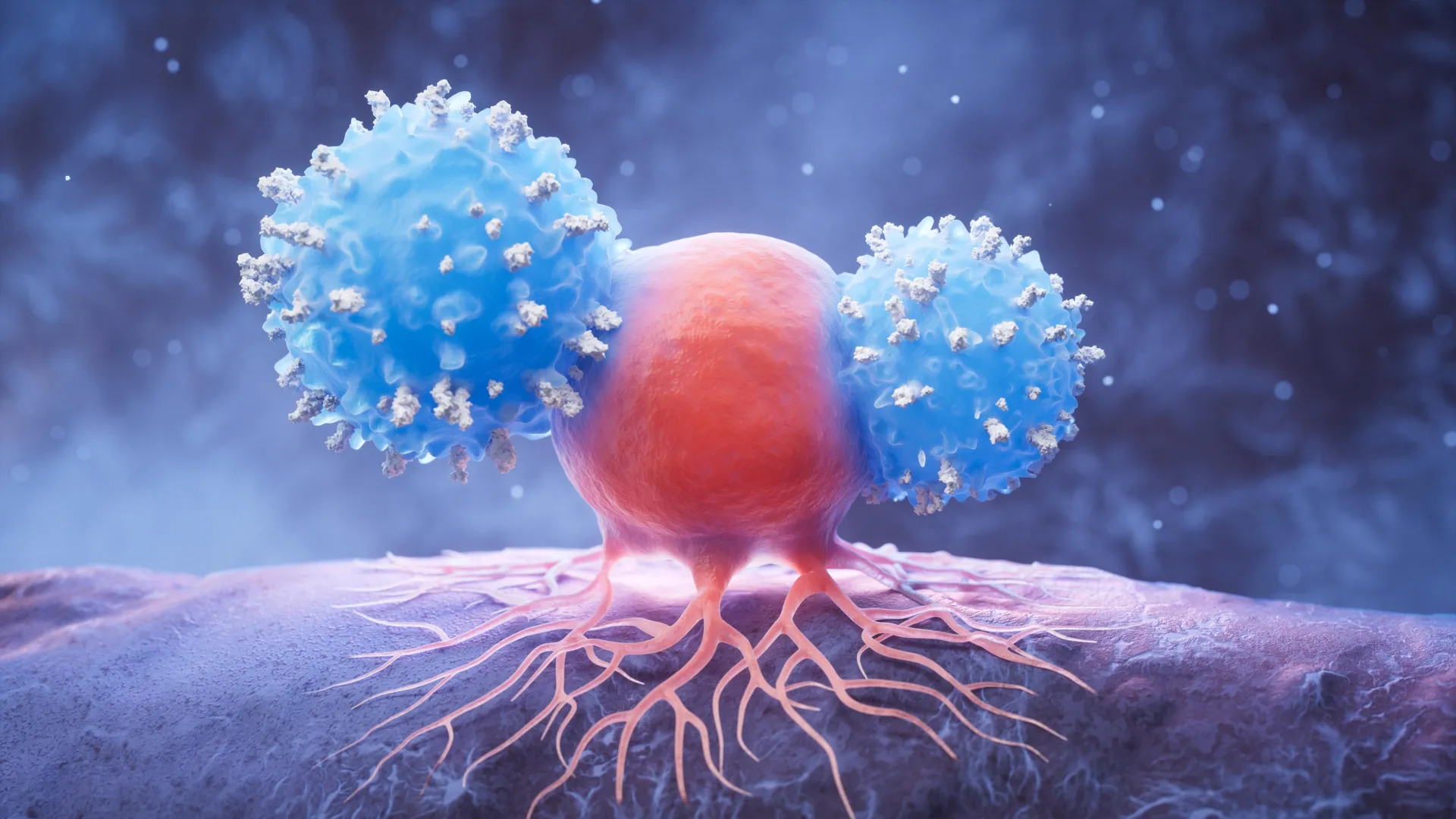
The fundamental challenge in treating glioblastoma, Dr. Yong explains, is the cancer’s ability to "cloak" itself. "Normally, the immune system acts as the body’s sentry, countering and preventing tumor growth," says Yong. "However, glioblastoma has evolved to suppress the immune system, effectively putting it to sleep so the cancer can proliferate unchecked."
Dr. Yong’s laboratory team hypothesized that if they could "rejuvenate" these suppressed immune cells, they could turn the tide. Their research suggests that high doses of niacin can act as a catalyst, restoring the vitality of immune cells and enabling them to infiltrate and destroy tumor cells. Yong describes the process poetically: "I see it as an ongoing ‘battle for the brain.’ We are simply providing the troops with the reinforcement they need to re-engage."
A Chronology of Discovery
The journey from the laboratory bench to the patient bedside was neither quick nor simple. It began with preclinical trials in animal models. The early experiments in Yong’s lab were profoundly encouraging; mice treated with controlled, high doses of niacin showed a significant extension in survival rates compared to control groups.
These findings provided the necessary data to launch a Phase I and II clinical trial in human subjects. The trial was designed with a rigorous, data-driven framework. To ensure the safety of participants and the validity of the results, the team established a "stop-gap" benchmark: if progression-free survival (PFS) at the six-month mark did not improve by at least 20 percent over historical data, the trial would be terminated.
The results, recently published in the Journal of Neuro-Oncology, have exceeded these expectations. Among the first 24 patients enrolled, 82 percent showed no signs of disease progression at the six-month interval. This represents a 28 percent improvement over previous benchmarks—a significant margin in the field of neuro-oncology.
Supporting Data and Clinical Rigor
While the statistics are cause for optimism, the medical team remains grounded in the necessity of strict clinical protocols. Dr. Roldan Urgoiti emphasizes that glioblastoma has seen almost no major survival breakthroughs in the last two decades.
"Glioblastoma is the most aggressive brain cancer in adults," she notes. "The fact that survival rates haven’t changed significantly in 20 years tells us that we need to be both bold and cautious. Anything that may help must be explored, but it requires rigorous safety monitoring."
The clinical trial is not merely about administering a vitamin; it is about finding the optimal, safe, and effective dose of controlled-release niacin when layered alongside the standard-of-care chemotherapy and radiotherapy. The researchers are keenly aware that while vitamins are generally viewed as "natural," high doses can be toxic and carry significant risks if not managed within a clinical setting. The ongoing monitoring of patients is the safeguard that separates this research from mere speculation.
Patient Perspective: The Human Element
For participants like Ed Waldner, the clinical trial offers something that statistics cannot quantify: hope.
"I have no problem trying to help anybody," Waldner says, reflecting on his decision to join the study. "I agreed because I want to help myself, too. I can tell you being part of this research helps me mentally because we’re trying. When I left the hospital after my initial surgery, I was essentially told, ‘That’s it, that’s all we can do.’ Being in this trial changed that narrative."
Today, Waldner reports feeling remarkably well. His regular follow-up scans have consistently returned the same word: stable. For a patient diagnosed with an aggressive malignancy, that word is the ultimate victory.
Implications for Future Oncology
The implications of the University of Calgary study extend far beyond a single vitamin. If the final analysis of this study—which aims to enroll 48 participants by late 2026 or early 2027—continues to show positive outcomes, it could change how oncologists approach adjuvant therapy.
Key Implications:
- Repurposing Existing Agents: The success of niacin suggests that other common, low-cost compounds could be repurposed to act as "immunotherapy boosters," potentially lowering the cost of cancer care.
- Immune Priming: The study validates the theory that the tumor microenvironment is a dynamic landscape that can be "reprogrammed" to favor the patient rather than the disease.
- Combination Therapies: The study confirms that adding a secondary, non-toxic agent to traditional chemotherapy/radiation protocols can yield synergistic results without adding severe toxicity to the patient.
However, the researchers are quick to caution the public. This is not a "cure-all," and the high doses required for therapeutic effect are significantly higher than the standard supplemental intake. Attempting to replicate this at home without medical oversight could lead to dangerous complications, including liver issues or metabolic disruptions.
The Path Forward
As the research continues, the team remains focused on the next phase of analysis. The project, supported by the Canadian Institutes of Health Research and the Alberta Cancer Foundation, stands as a testament to the importance of institutional support in high-risk, high-reward medical research.
The medical community is watching the Calgary study with cautious interest. If the final enrollment numbers confirm the early-phase findings, the use of niacin could become a standardized component of glioblastoma treatment protocols globally.
For the families of those affected by glioblastoma, the study offers a glimpse into a future where the diagnosis is no longer an immediate end-of-life sentence. Through the persistence of researchers like Drs. Roldan Urgoiti and Yong, and the courage of patients like Ed Waldner, the "battle for the brain" is moving toward a new, more hopeful front.
In the quiet, clinical rooms of the University of Calgary, the work continues—one scan, one patient, and one dose at a time—inching closer to a world where even the most aggressive cancers can be held at bay.