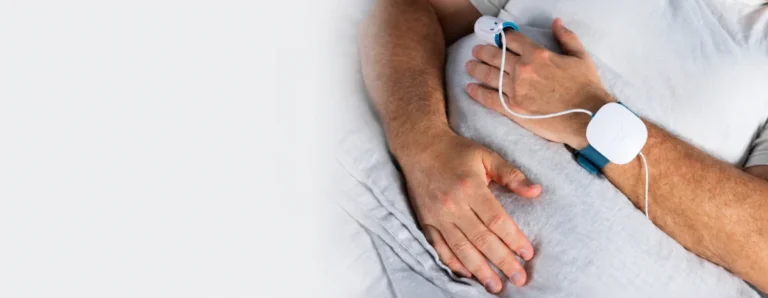
In a significant advancement for the field of neurotechnology, Nexalin Technology Inc. has successfully secured a new patent from the United States Patent and Trademark Office (USPTO). This milestone, centered on the company’s proprietary Deep Intracranial Frequency Stimulation (DIFS) method, provides robust intellectual property protection through 2042. As the mental health landscape shifts toward digital-first, non-invasive solutions, this patent serves as the cornerstone for Nexalin’s ambitious strategy to revolutionize the treatment of insomnia, anxiety, and depression.
Main Facts: The Anatomy of US Patent 12,629,519
The newly issued patent, formally titled "Transcranial Alternating Current Dynamic Frequency Stimulation Method for Anxiety, Depression and Insomnia," serves as a definitive legal shield for Nexalin’s core technological innovation. By securing these rights, Nexalin has effectively fortified its market position against competitors for nearly two decades.
At the heart of the patent is the company’s DIFS platform. Unlike conventional neurostimulation devices that often remain limited to surface-level cortical engagement, Nexalin’s technology is engineered to deliver advanced frequency-based waveforms capable of penetrating deeper, more specific regions of the brain. This "deep-brain" capability is central to the efficacy of the treatment, as it targets the neural pathways associated with mood regulation, sleep architecture, and stress responses.
The patent is not merely a theoretical exercise; it is an operational asset. It protects the specific methodologies of dynamic frequency modulation that allow for personalized, responsive treatment protocols. These protocols are designed to be integrated into the Nexalin NeuroCare virtual clinic—a comprehensive, physician-supervised ecosystem that enables patients to receive clinical-grade mental health treatment from the comfort of their own homes.
A Chronology of Innovation and Intellectual Property
The journey toward this 2042-protected patent is the result of years of iterative development and clinical refinement.
- Early Development: Nexalin began its path by focusing on the limitations of traditional pharmacological interventions for mental health. Recognizing that many patients suffer from side effects or non-responsiveness to traditional SSRIs and sleep aids, the company sought a biophysical alternative.
- International Foundation: Before securing its latest US patent, Nexalin built a global footprint. Its Gen-2 15-milliamp neurostimulation device achieved regulatory approvals in multiple jurisdictions, including China, Brazil, Oman, and Israel. These international deployments provided the real-world data necessary to refine the DIFS technology.
- The Virtual Clinic Transition: Recognizing that clinical-based treatment is a barrier for many, the company transitioned its model to prioritize home-based care. The acquisition of the Nexalin NeuroCare platform marked a pivotal shift, moving from a hardware-only focus to a "hardware-plus-service" model.
- The Patent Filing: The filing process for US Patent 12,629,519 began as the company sought to codify its proprietary wave-delivery methods. The USPTO review process involved rigorous scrutiny of the unique frequency modulation algorithms, culminating in the recent issuance that solidifies the company’s intellectual property moat.
Supporting Data: Why Deep-Brain Stimulation Matters
The clinical urgency for a solution like Nexalin’s is underscored by the current state of global mental health. Insomnia, anxiety, and depression are classified by the World Health Organization as some of the most pervasive and disabling conditions worldwide.
The Problem with Traditional Approaches
- Pharmacological Limitations: Many psychiatric medications carry systemic side effects, such as weight gain, sexual dysfunction, or lethargy, leading to high patient attrition rates.
- The Access Gap: Traditional cognitive behavioral therapy (CBT) and neurostimulation clinics require frequent, often expensive, in-person visits. For patients struggling with severe depression or anxiety, the logistical burden of attending these sessions can be a significant barrier to recovery.
The DIFS Advantage
Nexalin’s DIFS platform seeks to bridge this gap. By delivering non-invasive, drug-free stimulation, the technology aims to reset the neural activity associated with dysfunctional sleep and mood states. The integration of AI-enabled remote monitoring is a critical component of the data-backed strategy. Through the Nexalin NeuroCare ecosystem, physicians can track treatment compliance, monitor stimulation effectiveness, and adjust protocols in real-time. This creates a feedback loop that is vastly superior to the "try-and-see" approach common in prescription-based psychiatry.
Official Responses: The Leadership Perspective
Mark White, CEO of Nexalin Technology, has framed this patent not just as a legal victory, but as a validation of the company’s long-term corporate philosophy.
"This patent represents another major milestone for Nexalin and strengthens the defensibility of our long-term platform strategy," White stated in a recent press release. He emphasized that while the current focus is on the "big three"—anxiety, depression, and insomnia—these conditions are merely the starting point for the Nexalin NeuroCare model.
White further elaborated on the company’s vision for the future of mental healthcare: "We believe the future of neurostimulation will be defined by three things: clinically meaningful technology, protected intellectual property, and scalable care delivery. This patent strengthens all three."
The leadership’s tone is one of tempered confidence. By creating an "entirely new category" of deep-brain, drug-free treatment, Nexalin is positioning itself as an alternative for patients who have exhausted traditional clinical options. The executive team is clearly signaling that the company is moving toward a highly scalable, recurring-revenue model that relies on the strength of its patent-protected hardware and its virtual clinical network.
Broader Implications and Future Horizons
The implications of this patent extension stretch far beyond the current product line. By locking in its IP through 2042, Nexalin has created a high-value runway for research and development.
Expansion into New Indications
The company is not resting on its current successes. The patent strategy is specifically designed to encompass a wide array of neuro-related applications. Nexalin is currently eyeing the potential for DIFS technology to assist in the management of:
- Alzheimer’s Disease: Exploring if deep-brain stimulation can mitigate cognitive decline or support neural plasticity.
- Traumatic Brain Injury (TBI): Investigating the role of neurostimulation in restoring function to damaged neural networks.
- Post-Traumatic Stress Disorder (PTSD): Using dynamic frequency stimulation to modulate the amygdala and other regions associated with trauma response.
The Role of HALO Clarity
Central to the company’s future is the "HALO Clarity" platform. This next-generation hardware is designed to work in tandem with the virtual clinic ecosystem. By combining AI-enabled data capture with neurostimulation, the HALO Clarity platform represents a shift toward "precision psychiatry." This allows clinicians to observe exactly how a patient’s brain responds to specific waveforms over time, moving away from subjective patient reports toward objective, neuro-data-driven insights.
Market Impact
From a market perspective, this patent provides the security required to attract institutional partnerships and clinical research collaborators. For investors and healthcare providers, the 2042 expiration date signals a stable investment in a company that is building a moat around its core technology. As the healthcare industry continues to move toward decentralized, home-based care, Nexalin’s ability to offer a validated, non-invasive, and physician-supervised treatment model positions it as a significant disruptor in the $200+ billion mental health market.
Conclusion
The issuance of US Patent 12,629,519 is more than a administrative success; it is a strategic turning point for Nexalin Technology. By effectively securing its proprietary Deep Intracranial Frequency Stimulation method, the company has cleared the path for long-term growth and innovation.
As Nexalin continues to scale its Nexalin NeuroCare virtual clinic and advance its HALO Clarity platform, the combination of robust intellectual property and a clear vision for accessible, drug-free care could redefine how the world approaches the treatment of some of its most persistent mental health challenges. With a clear regulatory and legal roadmap established through 2042, the company is now tasked with the next phase of its mission: proving that the future of brain health lies in the intersection of advanced neurostimulation and digital connectivity.