









For decades, the medical community and the general public alike operated under a consistent assumption: a stroke was a condition of the elderly—a health crisis reserved for the twilight years of life. However, a landmark study published on September 23, 2026, in Neurology, the official journal of the American Academy of Neurology, has shattered this long-held paradigm.
The research, which meticulously tracked medical data over nearly three decades, reveals a sobering reality: strokes are becoming increasingly common among younger adults, with incidence rates in the 20-to-54 age demographic nearly doubling since the mid-1990s. While medical advancements have successfully improved survival rates, the sheer volume of new cases suggests that a growing segment of the population is facing the long-term, life-altering consequences of brain injury at an age when they should be at the peak of their professional and personal lives.
The Shifting Landscape of Neurological Health
The study, conducted by researchers at the University of Cincinnati, examined the Greater Cincinnati and Northern Kentucky region from 1993 to 2020. By analyzing 2,076 confirmed cases of first-time strokes among adults aged 20 to 54, the team identified a stark upward trajectory that defies conventional demographic expectations.
"While stroke has traditionally been considered a disease of older adults, our findings show that stroke is becoming increasingly common in younger adults," said lead author Dr. Emily R. Fisher of the University of Cincinnati. "At the same time, more people are surviving these strokes, which means more younger adults may be living with the long-term effects of stroke for decades to come."
The data paints a picture of a silent epidemic. In the early years of the study (1993–1994), the stroke rate stood at 33.9 cases per 100,000 person-years. By 2020, that figure had climbed to 62.2, representing an staggering 83% increase. In medical research, "person-years" is a critical metric that accounts for both the number of individuals in a study and the duration of their observation, allowing for a standardized comparison of disease frequency across different eras.
Chronology of a Public Health Shift
To understand how the risk profile for younger adults has evolved, researchers categorized the data into distinct periods spanning nearly thirty years.
1993–2000: The Baseline
In the early 1990s, stroke among the under-55 population was considered a medical rarity, often attributed to rare congenital issues or extreme trauma. The incidence rate remained relatively stable, and the clinical focus was largely on geriatric neurology.
2001–2010: Emerging Trends
As the study moved into the turn of the millennium, researchers began to notice subtle shifts. The prevalence of hypertension and metabolic syndrome began to creep upward in younger cohorts, coinciding with the early stages of the obesity and diabetes epidemics. During this period, the medical community began to see a higher frequency of ischemic events that could not be easily explained by traditional age-related factors.
2011–2020: The Acceleration
The final decade of the study revealed the most significant jump. The rapid increase in ischemic strokes—those caused by blocked blood vessels—suggests that lifestyle factors and modern health challenges are exerting a compounding effect on the cardiovascular health of younger adults. By 2020, the incidence rate had reached its peak, forcing a re-evaluation of how doctors screen for stroke risk in younger patients.
The Mechanics of the Surge: Ischemic vs. Hemorrhagic
Not all strokes are the same, and the study reveals that the surge is not distributed evenly across clinical categories. The overwhelming majority of the increase is driven by ischemic strokes.
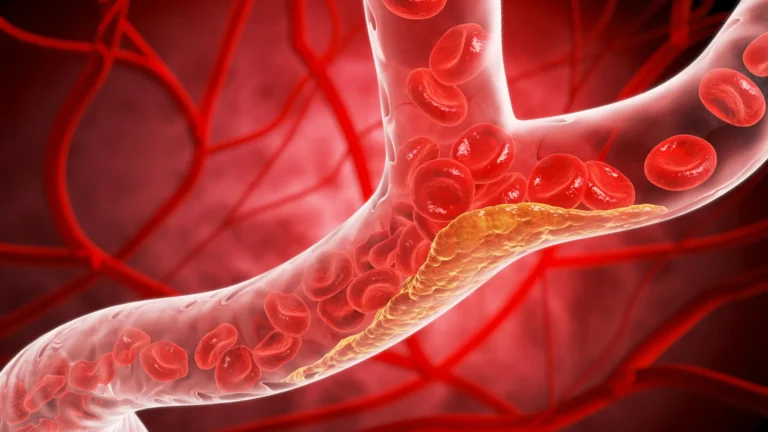
An ischemic stroke occurs when a clot or plaque buildup blocks a blood vessel in the brain, cutting off the supply of oxygen-rich blood. Because brain cells are incredibly sensitive to oxygen deprivation, damage can begin within minutes. In the study, the rate of ischemic strokes in the 20-54 age bracket nearly doubled, rising from 23.8 per 100,000 person-years in 1993–1994 to 47.3 in 2020.
Conversely, the study found no comparable statistical rise in intracerebral hemorrhage (bleeding directly into the brain) or subarachnoid hemorrhage (bleeding in the space surrounding the brain). This specificity is telling; it points toward vascular health and clotting disorders rather than structural vessel failures as the primary culprits behind the trend.
The Convergence of Risk Factors
Why are young people experiencing more blockages? The researchers scrutinized the medical records of participants, noting a concerning rise in documented comorbidities. Among the younger adults who experienced strokes, there was a higher prevalence of:
- Hypertension (High Blood Pressure): Often called the "silent killer," it remains the leading driver of vascular damage.
- Diabetes: Which contributes to systemic inflammation and plaque buildup in the arteries.
- Atrial Fibrillation: An irregular heartbeat that creates a high risk of blood clots traveling from the heart to the brain.
Perhaps most provocatively, the researchers identified a significant shift in substance use. In the early 1990s, documented substance use was present in only 4.6% of stroke cases among younger adults. By 2020, that figure surged to 40.2%. A significant portion of this rise is associated with marijuana use. However, the study authors are quick to urge caution in interpretation: the study could not definitively establish a direct causal link, nor did it compare these trends against a control group of healthy individuals. It remains an area of intense ongoing investigation.
Improving Survival, Expanding Challenges
There is a glimmer of hope within the data. The mortality rate for younger stroke patients is actually trending downward. Researchers found that the proportion of patients who died within 30 days of a stroke dropped from 11.7% in 1993–1994 to 9.4% in 2020. This progress is largely attributed to better acute stroke care, such as the use of clot-busting medications and specialized stroke units.
However, survival is only the first hurdle. "Surviving a stroke does not necessarily mean making a complete recovery," the report warns. Because the brain is the control center for all cognitive and physical functions, the survivors of these events are often left to manage long-term complications, including:
- Hemiparesis: Weakness on one side of the body.
- Aphasia: Challenges with speech and language comprehension.
- Executive Dysfunction: Difficulties with memory, planning, and emotional regulation.
For a 30-year-old survivor, these challenges are not temporary inconveniences; they are life-altering disabilities that can impact career longevity, family life, and mental health for the next several decades.
Implications for Public Policy and Clinical Care
The findings of the Greater Cincinnati/Northern Kentucky Stroke Study serve as a clarion call for a fundamental shift in preventative medicine. If strokes are no longer a "senior" disease, then our screening protocols must change accordingly.
Dr. Fisher and her colleagues emphasize that early intervention is the only way to reverse this trend. This includes aggressive screening for hypertension and diabetes in adults in their 20s and 30s, as well as greater transparency regarding the cardiovascular risks associated with substance use.
The Need for Further Research
While the study is robust, the authors admit to its limitations. It focused on a specific geographic region and lacked a non-stroke control group to compare risk factor prevalence. Consequently, it remains unclear if this 83% increase is reflected on a national or global scale.
"Additional research is needed to better understand what is driving these trends and how they can be reversed," Dr. Fisher stated. Future studies will need to look at broader, more diverse populations and attempt to isolate the specific variables—ranging from diet and sedentary behavior to environmental factors and drug use—that are contributing to the rise in ischemic events.
Conclusion: A New Era of Vigilance
The narrative of the "healthy young adult" is being challenged by the cold, hard data of neurological decline. The increase in stroke rates among the young is a complex, multifaceted issue that will require a coordinated response from public health officials, cardiologists, and neurologists.
As we look toward the future, the primary takeaway is clear: the age of ignoring cardiovascular risk factors in one’s youth is over. By identifying and managing these risks early, the medical community may be able to stem the tide of this rising crisis, ensuring that younger generations do not spend their best years navigating the aftermath of a preventable brain injury. The study was supported by the Greater Cincinnati/Northern Kentucky Stroke Study, providing a vital foundation for the work that must now follow.