









NEW YORK CITY — As the sweltering heat of July settles over Manhattan, public health officials are working feverishly to contain a cluster of Legionnaires’ disease cases on the Upper East Side. The New York City Department of Health and Mental Hygiene (DOHMH) recently identified 31 buildings in the neighborhood with cooling towers that tested positive for Legionella, the bacteria responsible for the severe form of pneumonia known as Legionnaires’ disease.
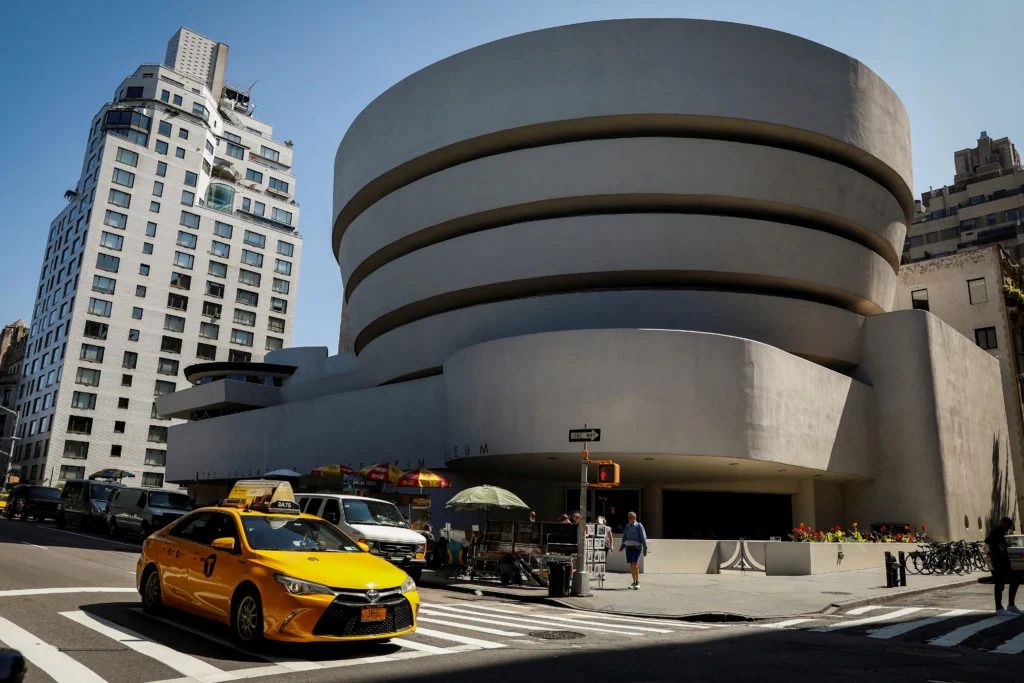
Among the high-profile sites caught up in this public health dragnet is the Solomon R. Guggenheim Museum. The architectural landmark, designed by Frank Lloyd Wright and recognized as a UNESCO World Heritage site, was identified as one of the buildings where Legionella was detected during routine environmental testing. While the news of a world-class museum testing positive for the bacteria naturally raised alarms, city officials and museum administrators have been quick to emphasize that the building remains safe for visitors and staff.
The Current Situation: Facts and Scope
The ongoing investigation centers on a cluster of more than 50 confirmed cases of Legionnaires’ disease linked to the Upper East Side. According to the most recent data from the city’s health department, fewer than 20 individuals remain hospitalized as a result of the outbreak. Encouragingly, no fatalities have been reported thus far, marking a potential improvement in early detection and treatment compared to past outbreaks.
The 31 buildings identified by the health department have been ordered to undergo immediate cleaning and disinfection of their cooling towers. As of Saturday, 19 of those buildings, including the Guggenheim, have already completed the required remediation. The remaining sites are expected to complete their cleaning processes by the end of the weekend.
City officials stress that a positive test result for Legionella does not automatically label a building as the "ground zero" of the outbreak. The testing methods currently employed by environmental labs cannot distinguish between live, infectious bacteria and dead, harmless remnants. Consequently, the presence of the bacteria is being treated as a precautionary indicator rather than a definitive source of the infections.
Chronology of the Outbreak
The timeline of this incident reflects the high level of vigilance now maintained by New York City health authorities following previous public health crises.
- Early July 2026: City health surveillance systems detect an uptick in reported cases of severe pneumonia on the Upper East Side, consistent with Legionnaires’ disease.
- July 10, 2026: Health officials initiate environmental sampling of cooling towers in the affected area, a standard procedure for identifying potential sources of Legionella aerosolization.
- July 11, 2026: The Department of Health releases the list of 31 buildings with positive environmental samples. The Guggenheim Museum is publicly identified as one of the sites.
- July 11–12, 2026: Remediation efforts are expedited. The Guggenheim and 18 other buildings complete disinfection protocols, ensuring their cooling systems meet city health standards.
- Ongoing: The city continues to monitor hospital admissions and conduct epidemiological interviews to map the movement of those infected and identify a definitive common exposure point.
Understanding Legionnaires’ Disease
Legionnaires’ disease is not a new threat to urban environments, yet it remains a significant public health concern. The disease is caused by Legionella bacteria, which thrive in warm, stagnant water. It is important to distinguish this from other common respiratory illnesses: the disease is not transmitted from person to person. Instead, it is contracted by inhaling microscopic water droplets—often in the form of mist or vapor—containing the bacteria.
How Cooling Towers Become Reservoirs
Cooling towers are essential components of large-scale climate control systems in skyscrapers and museums. They dissipate heat from the building’s interior into the outside atmosphere. Because they operate using warm water and are located on rooftops, they can become ideal breeding grounds for Legionella if not maintained with rigorous chemical treatment and frequent cleaning.
It is a common misconception that these towers affect the drinking water supply or the interior air conditioning of a building. In reality, the cooling tower system is entirely separate from the water used for hydration, sanitation, or internal air circulation. The risk posed by a contaminated tower is restricted to the immediate exterior vicinity, where mist can be carried by wind currents.
Symptoms and Vulnerable Populations
The incubation period for the disease is typically two days to two weeks. According to the U.S. Centers for Disease Control and Prevention (CDC), early symptoms mimic the flu, including:
- High fever and chills
- Persistent cough
- Shortness of breath
- Muscle aches and headaches
The risk is significantly higher for specific demographics, including individuals aged 50 and older, current or former smokers, those with chronic lung conditions such as COPD or emphysema, and individuals with compromised immune systems.
Official Responses and Museum Protocols
The Guggenheim Museum issued a formal statement on Saturday to address public concern. "The city has confirmed that there is no additional action needed at this time, and this poses no risk to anyone inside the building," the museum stated.
Museum leadership further clarified that they employ a professional outside firm to conduct mandatory monthly testing and chemical treatment of their cooling towers. This proactive stance is part of the city’s post-2015 regulatory environment, which mandates strict reporting and maintenance protocols for all buildings with cooling towers.
The health department, meanwhile, has maintained a transparent posture. By publishing the list of buildings, they are ensuring that building managers take immediate responsibility for remediation while preventing unnecessary panic among the general public.
Lessons from the Past: The 2025 Harlem Outbreak
This current outbreak is being viewed through the lens of a major, far more lethal incident that occurred last year in Harlem. During that 2025 outbreak, more than 100 people were sickened, and seven individuals lost their lives.
The investigation into the Harlem cluster was extensive, eventually tracing the source to cooling towers atop Harlem Hospital and a nearby construction site housing a city public health lab. The severity of that event led to a massive overhaul of how the city monitors and regulates cooling towers, including increased inspection frequency and tighter penalties for failing to maintain water quality.
Public health experts suggest that the current, rapid response to the Upper East Side cluster is a direct result of the lessons learned during the Harlem crisis. By acting swiftly to test and clean dozens of buildings simultaneously, the city hopes to break the cycle of transmission before it reaches the scale of the previous year’s tragedy.
The Broader Implications
The situation in Manhattan serves as a stark reminder of the complexities inherent in maintaining the infrastructure of a dense, aging metropolis. As buildings in New York City become more integrated with sophisticated climate control systems, the necessity for diligent environmental monitoring becomes a critical component of public health.
The term "Legionnaires’ disease" itself carries a heavy historical weight, originating from a 1976 outbreak at an American Legion convention in Philadelphia. That event, which saw 182 people fall ill and 29 die, changed the landscape of building maintenance codes globally.
In New York, the focus remains on the intersection of urban architecture and biological risk. The Guggenheim, while iconic for its aesthetic contribution to the 20th century, is also a participant in the modern reality of urban safety. As the city moves forward, the combination of public transparency, private responsibility in maintenance, and rapid regulatory oversight will remain the primary tools in preventing further outbreaks.
For now, the Upper East Side cluster appears to be under control. As the city’s health department continues its investigation, the focus remains on ensuring that these 31 buildings—and others like them—remain in strict compliance with safety protocols. Residents and visitors alike are advised to continue their normal routines, as the risk of exposure is localized and being actively mitigated by the city’s health professionals.