




For the vast majority of human history, the human gut was a bustling, crowded ecosystem. Alongside the trillions of bacteria that constitute the microbiome, humans co-evolved with a variety of intestinal parasites. While modern sanitation and medicine have successfully eradicated these "unwelcome guests" in industrialized nations, scientists are increasingly questioning whether our aggressive pursuit of a sterile gut has come at an unforeseen biological cost.
As autoimmune disorders and inflammatory bowel diseases (IBD) skyrocket in the West, researchers have spent the last two decades revisiting the role of intestinal worms—or helminths—in human health. A groundbreaking study recently published in Nature Communications by parasitologists at the Biology Centre of the Czech Academy of Sciences (CAS) has finally unlocked a missing piece of this puzzle. The study suggests that helminth therapy—the use of parasitic worms to treat inflammatory conditions—is not a "one-size-fits-all" solution. Instead, its success hinges entirely on a dietary prerequisite: high levels of fiber.
The Evolution of the "Sterile Gut" Hypothesis
To understand why scientists are looking toward parasites, one must look at the "Hygiene Hypothesis." This theory suggests that the lack of early-childhood exposure to infectious agents, symbiotic microorganisms, and parasites increases susceptibility to allergic diseases by suppressing the natural development of the immune system.
In the late 20th century, as the incidence of Crohn’s disease, ulcerative colitis, and multiple sclerosis climbed, researchers began to hypothesize that the human immune system, deprived of its ancestral "training partners" (the parasites), was becoming hyper-reactive, eventually turning against the body’s own tissues. This prompted the rise of "helminth therapy," an experimental approach where patients are intentionally infected with microscopic, non-pathogenic worms to modulate their immune response and suppress inflammation.
However, clinical trials for helminth therapy have historically been frustratingly inconsistent. Some patients experienced dramatic relief from autoimmune flares, while others saw no improvement at all. This lack of reproducibility led the scientific community to ask a fundamental question: If the worms are the mechanism of relief, why do they fail so often?
A New Frontier: The Czech Academy of Sciences Study
The research team at the Institute of Parasitology, led by Kateřina Jirků, decided to shift the focus from the worms themselves to the environmental conditions within the host’s gut. Their hypothesis was simple yet profound: the gut is an ecosystem, and a parasite is only as effective as the fuel it receives from the host’s diet.
Methodology and Experimental Design
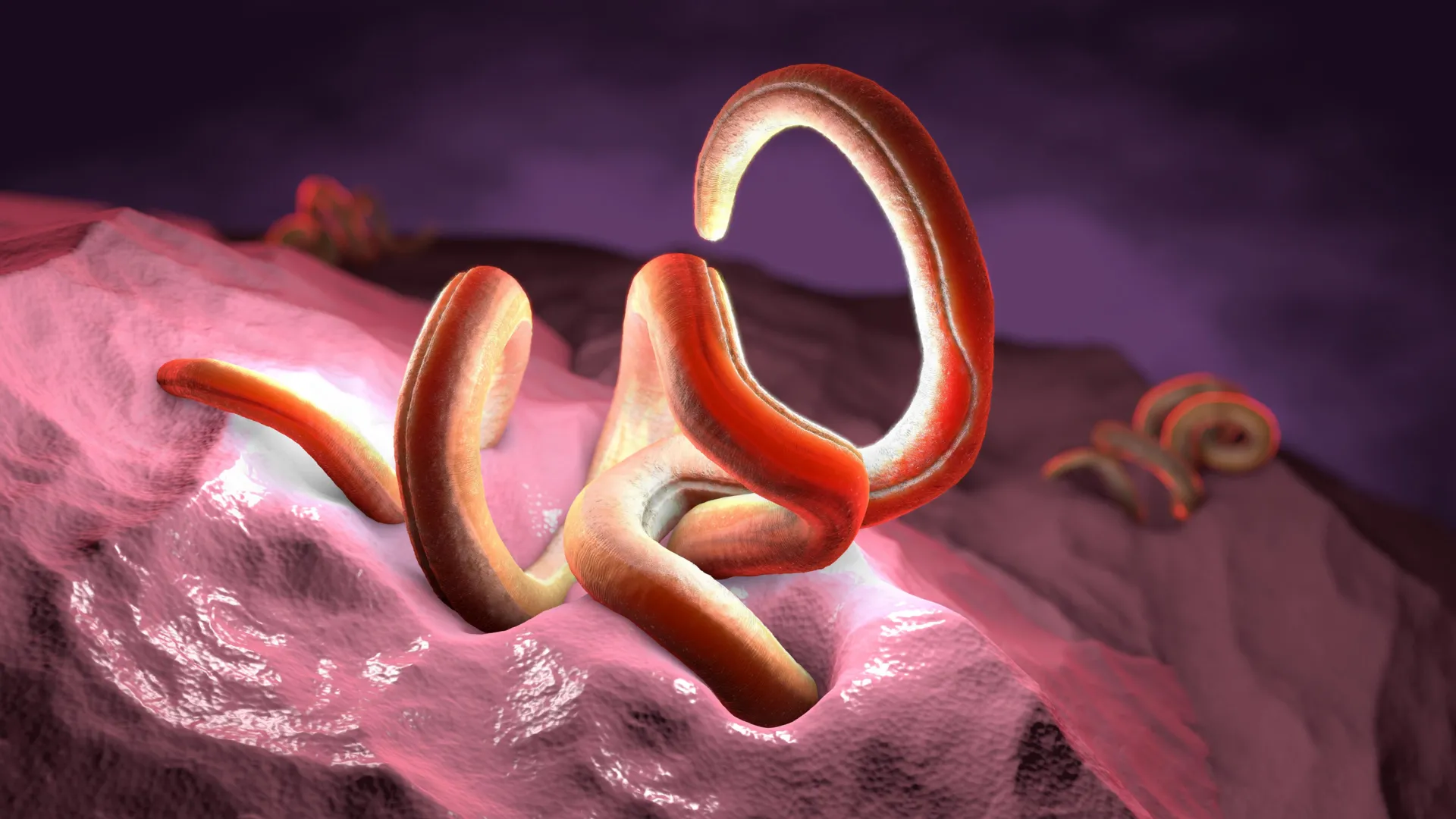
The researchers utilized the rat tapeworm Hymenolepis diminuta, a classic model in parasitology due to its non-pathogenic nature and well-documented ability to dampen immune over-activation. By subjecting the host subjects to varying levels of dietary fiber, the team created a controlled environment to observe how the parasite’s physiology shifted in response to the host’s intake of plant-based structural fibers.
The Findings: Hibernation vs. Flourishing
The results were stark. In subjects fed a high-fiber diet, the tapeworms thrived. They reached physical maturity, produced eggs, and—crucially—exerted a powerful anti-inflammatory effect on the host. However, in subjects fed a low-fiber, Western-style diet, the tapeworms essentially "checked out."
"We found that when the diet contains a high proportion of structural fiber, the tapeworm is not only in excellent condition but is also able to induce an anti-inflammatory response in the host," Jirků explains. "When fiber is lacking, the worm enters an energy-saving state resembling hibernation in mammals, and its anti-inflammatory effect disappears."
Genetic analysis revealed that the worms in low-fiber environments underwent widespread changes in gene expression, effectively halting their development and metabolic activity. They were smaller, sexually immature, and physiologically "muted," rendering them incapable of performing the immunomodulatory functions that make them a potential therapy.
The Ripple Effect: Fiber and the Microbiome
The study also shed light on the broader implications of dietary fiber, showing that it does not act on the parasite alone. Fiber is the primary fuel source for the gut microbiota, and the study confirmed that diet acts as a master regulator of the entire intestinal environment.
The Western Diet vs. Traditional Intake
While health organizations generally advise a daily intake of 25 to 30 grams of fiber, modern Western diets often fall woefully short of this mark, frequently hovering in the 10-15 gram range. In stark contrast, traditional populations—such as the Hadza of Tanzania—consume between 80 and 120 grams of fiber daily.
The Czech study found that this deficit has profound consequences:
- Microbial Diversity: High-fiber diets promoted the growth of beneficial bacteria, which in turn fostered an environment where parasites could function as symbiotic partners.
- Dysbiosis: Western-style diets encouraged the growth of bacteria associated with dysbiosis (microbial imbalance). This altered environment created a hostile, nutrient-poor landscape that forced the parasites into a state of metabolic dormancy.
Implications for Future Therapies
The implications of this research are twofold: they clarify the failures of past helminth trials and offer a potential roadmap for future treatments of inflammatory diseases.
Rethinking Clinical Protocols
Future trials involving helminth therapy will likely need to include strict dietary protocols. Researchers suggest that for a parasite to successfully suppress a patient’s immune system, the patient must be on a diet that provides the necessary structural fibers to keep the parasite "awake" and metabolically active.
Beyond Parasites: The Power of Fiber
Even for those not interested in experimental parasite therapy, the message is clear: dietary fiber is an essential pillar of human health. The study reinforces existing data that links low fiber intake to a weakened microbiome, which in turn is associated with:
- Neurodegenerative Decline: Emerging links between gut health and conditions like Alzheimer’s disease.
- Mental Well-being: The "gut-brain axis" suggests that a damaged microbiome can increase the risk of anxiety and depression.
- Immune Regulation: The microbiome’s critical role in preventing systemic inflammation.
Official Responses and Scientific Consensus
The scientific community has lauded the study for its integrative approach. By looking at the "triad" of host, parasite, and microbe, the researchers have moved beyond reductionist biology.
Dr. Helena Vargová, an independent immunologist not involved in the study, noted: "This research moves us away from the idea of the parasite as a simple drug. Instead, it frames the parasite as a biological participant that requires a specific ecological niche—a niche that is entirely dictated by what the host eats."
The study also serves as a warning against the "quick fix" mentality of modern medicine. As Jirků and her colleagues conclude, we cannot expect biological therapies to perform in the context of a highly processed, low-fiber diet that has fundamentally stripped the human gut of its evolutionary resilience.
Conclusion: The Path Forward
The "Fiber-Parasite Paradox" reveals that our modern health crises are not merely the result of missing a single "good" organism; they are the result of a total system failure. The industrialization of the food supply has depleted the fiber content of our diets, which in turn has collapsed the diversity of our gut microbiome and rendered potential biological regulators like helminths ineffective.
As research continues, the focus will likely shift toward "precision nutrition" in tandem with biological therapies. If we wish to leverage the wisdom of our evolutionary past to treat the diseases of our technological future, we must first ensure that the terrain—the human gut—is fertile enough to support the organisms that once protected us.
The lesson from the Biology Centre of the Czech Academy of Sciences is a humbling one: the solution to our most complex medical challenges may not be a new drug, but a return to the dietary foundations that allowed our species to thrive for millennia. The worms, it turns out, were never the entire story; the story was always the fiber.