











From the viral corridors of TikTok to the bestseller lists of health-conscious authors, "seed oils"—commonly referred to as vegetable oils—have become the most controversial players in the modern kitchen. Often vilified as "toxic sludge," "motor oil," or the "hateful eight," these fats have been accused of being the primary, hidden driver behind the global explosion of chronic disease.
But is the panic justified? Or is the vilification of seed oils another case of nutritional reductionism—a complex science simplified into a bite-sized, fearful meme? To understand the truth, we must move beyond the social media echo chamber and examine the chemistry, history, and physiological impact of these oils.
The Main Facts: What Are Seed Oils?
"Seed oil" is an umbrella term for oils extracted from the seeds of various plants, including canola (rapeseed), corn, cottonseed, sunflower, safflower, soybean, and grapeseed.
The primary argument against them centers on their origin. Critics note that while humans have consumed animal fats for millennia, seed oils were largely a byproduct of the 20th-century industrial food revolution. The logic follows that because these oils are "new" and "heavily processed," they must be inherently harmful.
However, nutritionists and biochemists point out that the source of an oil does not automatically dictate its healthfulness. The debate often conflates the type of oil with the process used to create it, and finally, with the context in which it is consumed.
A Chronological Perspective: From Invention to Infamy
The rise of vegetable oils is inextricably linked to the industrialization of food. In the early 1900s, manufacturers sought cheap, stable alternatives to animal fats like butter and lard. Through advancements in chemical engineering, they developed methods to extract oil from low-fat sources like corn and soybeans.
The Rise of Margarine
The first major push for seed oils occurred in the mid-20th century, when they were marketed as "heart-healthy" alternatives to butter. At the time, saturated fat was public enemy number one. The food industry responded by turning vegetable oils into margarine through hydrogenation—a process that created trans fats.
Decades later, science confirmed what critics had long suspected: artificial trans fats are indeed detrimental to cardiovascular health. The FDA eventually banned the addition of partially hydrogenated oils to food in 2018. This historical failure created a "trust gap" between consumers and the food industry, fueling the current "anti-seed oil" movement.
The Modern "Carnivore" Rebound
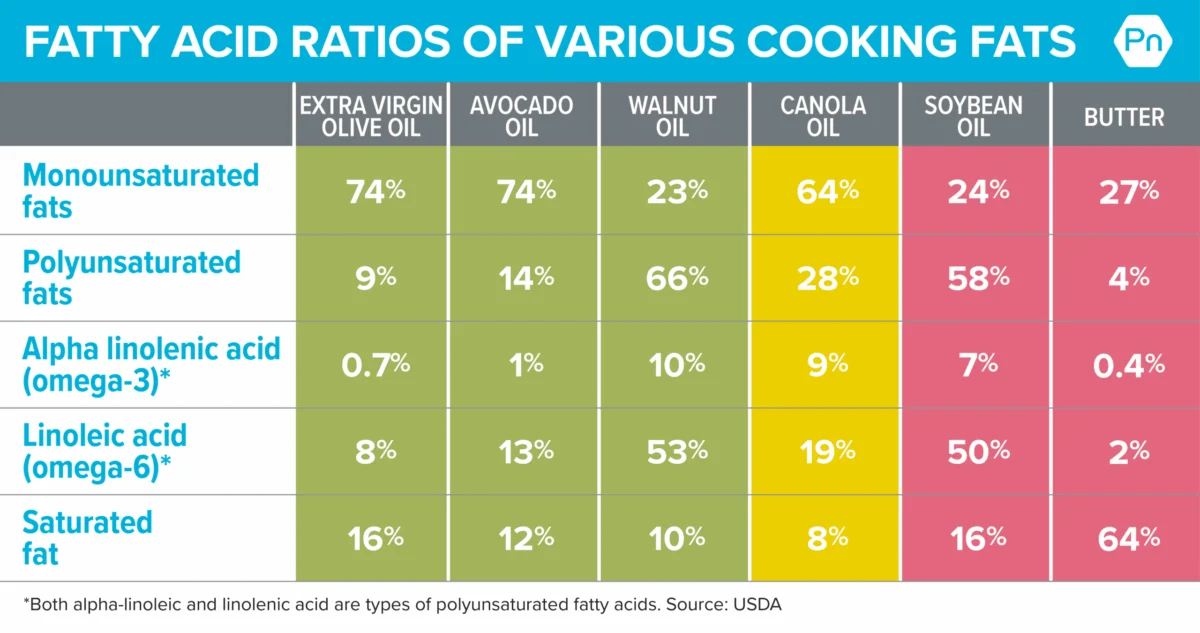
In recent years, the rise of the "carnivore" and "ancestral" diet movements has brought the hatred of seed oils to a fever pitch. Proponents argue that the high omega-6 fatty acid content in these oils promotes chronic inflammation, which they link to everything from obesity and anxiety to ulcerative colitis and depression.

Supporting Data: Processing and Its Consequences
To understand the difference between a "good" oil and a "bad" one, one must look at how they are manufactured.
Mechanical vs. Chemical Extraction
Oils like extra-virgin olive oil (EVOO) and avocado oil are derived from fruits with high fat content. You can literally press an olive and see the oil separate. This is a simple, mechanical process that preserves polyphenols and antioxidants.
Vegetable oils, by contrast, are extracted from seeds that contain very little fat. To extract that oil, manufacturers must use high-heat, high-pressure, and chemical solvents (like hexane).
During this industrial refinement:
- Nutrient Loss: Heat-sensitive polyphenols and stabilizing nutrients are stripped away.
- Oxidation: The chemical structure of the oils changes. Polyunsaturated fats (the primary fats in seed oils) are inherently unstable and prone to oxidation when exposed to heat and oxygen during processing.
- Trans Fat Formation: Even after the official ban on trans fats, trace amounts can still form during the intensive refining and high-heat deodorization stages.
The Omega-6/Omega-3 Imbalance
The human body requires a balance of omega-6 and omega-3 fatty acids. Modern diets are often skewed toward a 16:1 or 20:1 ratio in favor of omega-6. While some experts argue this imbalance fuels systemic inflammation, others, including researchers at the American Heart Association, have noted that omega-6 fats, when consumed as part of a whole-food diet, are actually associated with a reduced risk of heart disease.
The key distinction here is matrix. A handful of walnuts contains omega-6s, but they are packaged with fiber, protein, and antioxidants. A bottle of highly refined, bleached, and deodorized soybean oil contains the fatty acids without the protective "package."
Official Responses and Scientific Nuance
The scientific community generally avoids the term "toxic." Instead, they focus on the concept of "nutritional quality."
The Verdict on Butter vs. Seed Oils
The debate between butter and refined oils is often a "draw" because both have drawbacks.
- Butter is a saturated fat. Excessive intake (beyond 10% of daily calories) is linked to elevated LDL cholesterol. While some dairy fats are protected by the "milk fat globule membrane," butter lacks this protection, making it more impactful on cholesterol levels than cream or yogurt.
- Refined Vegetable Oils are stripped of protective compounds and are prone to oxidation, especially when used in the ultra-processed foods that dominate the modern grocery aisle.
The consensus among major health organizations is not to eliminate all seed oils, but to prioritize high-quality, minimally processed fats like EVOO while reducing intake of the highly processed, calorie-dense oils found in ultra-processed convenience foods.

Implications: How to Choose Your Fats
For the average consumer, the "toxic" label is less helpful than the "minimal processing" label. Here is how to navigate the grocery store aisle:
1. Prioritize Minimally Processed
Choose oils that are cold-pressed or expeller-pressed. Extra-virgin olive oil remains the gold standard of scientific research for longevity and heart health. If you are on a budget, high-quality, expeller-pressed canola oil is a neutral, acceptable alternative, though it lacks the antioxidant density of olive oil.
2. Context is King
Don’t worry about the small amount of oil used to sauté your vegetables at home. The real culprit is the "invisible" oil found in ultra-processed foods—chips, cookies, frozen dinners, and commercial salad dressings. These foods combine refined oils with excessive sugar, salt, and low fiber content. By shifting 80% of your diet to whole, minimally processed foods, your intake of industrial seed oils will naturally plummet.
3. Change the Cooking Method
While culinary myths once suggested olive oil shouldn’t be heated, modern research shows that EVOO is actually more stable than many refined seed oils due to its high polyphenol content. When it comes to deep-frying, however, the advice remains the same: treat fried foods as an occasional indulgence, regardless of the oil used.
4. Get Your Fats from Food
The healthiest way to consume fats is from the source: avocados, olives, nuts, seeds, and fatty fish. These foods come with a complex matrix of vitamins and minerals that processed oils simply cannot replicate.
Conclusion
Are vegetable and seed oils "toxic"? In the context of a whole-food diet, the evidence does not support such an extreme claim. However, in the context of the standard Western diet—defined by an over-reliance on ultra-processed, calorie-dense, and highly oxidized ingredients—they are undoubtedly part of a nutritional pattern that contributes to poor health.
The solution isn’t to live in fear of every oil on the shelf. Instead, it is to move away from the highly processed, industrialized food supply and toward the ancestral wisdom of eating foods in their most natural, minimally refined state. By choosing high-quality fats like extra-virgin olive oil and limiting the consumption of ultra-processed, oil-heavy convenience foods, you can build a sustainable, healthy, and evidence-based approach to nutrition.