Despite a high-profile pledge from U.S. President Donald Trump to grant Ukraine a production license for Patriot air defense interceptors, defense analysts and sources familiar with the matter suggest that the realization of such a project remains a distant prospect. While the diplomatic rhetoric suggests a new era of localized defense manufacturing, the harsh realities of wartime logistics, industrial complexity, and regional security render the prospect of “Made in Ukraine” Patriots effectively impossible until the cessation of hostilities.
The Genesis of a High-Stakes Promise
The pledge was delivered on July 8, on the sidelines of the NATO summit in Ankara, Turkey. During a bilateral meeting, President Trump signaled a shift in strategy, telling Ukrainian President Volodymyr Zelensky, "We’re going to give a license to you to make Patriots. That’s pretty cool. This way, you can’t complain that we’re not giving them enough."
The statement was intended to address the persistent friction regarding the speed and volume of U.S. military aid. However, the promise came with a caveat: the U.S. would not be depleting its own remaining stocks to satisfy the immediate vacuum in Ukraine’s air defense. By shifting the burden of production—at least in theory—to the Ukrainian state, the administration sought to reconcile its commitment to Ukraine’s sovereignty with its own domestic concerns regarding the depletion of the U.S. military-industrial complex.
Chronology of a Critical Shortage
To understand why this promise carries such weight, one must examine the state of Ukraine’s air defense architecture.
- Early July 2026: The Ukrainian Air Force reported a catastrophic failure in its intercept capabilities. When Russia launched a coordinated barrage of 23 ballistic missiles toward Kyiv, the existing Patriot batteries were unable to intercept a single projectile, resulting in the loss of at least 20 lives.
- Post-Summit Negotiations: Following the Ankara summit, President Zelensky took to Telegram on July 10, asserting that "political agreements" had been reached. He noted that technical teams from Kyiv and Washington were tasked with finalizing the implementation framework, claiming that a new aid package—specifically featuring PAC-3 missiles—was forthcoming.
- The Global Supply Crunch: The urgency is driven by a global depletion of interceptors. The combination of intense use in the Ukrainian theater and the U.S.-led confrontation with Iran has strained Pentagon stockpiles to their breaking point. A report by the Center for Strategic and International Studies (CSIS) estimates that it will take the U.S. between three and five years to replenish its inventories of Tomahawk, THAAD, and Patriot missiles.
The Technical Reality: Brain Surgery vs. Garage Manufacturing
The gap between a political license and a functioning production line is immense. Former Pentagon official Karen Kwiatkowski articulated the scale of this challenge, noting that the leap from Ukraine’s successful drone production to the manufacturing of advanced Patriot interceptors is "the difference between building airplane models or rockets in your garage and conducting brain surgery in a hospital."
Industrial Vulnerability
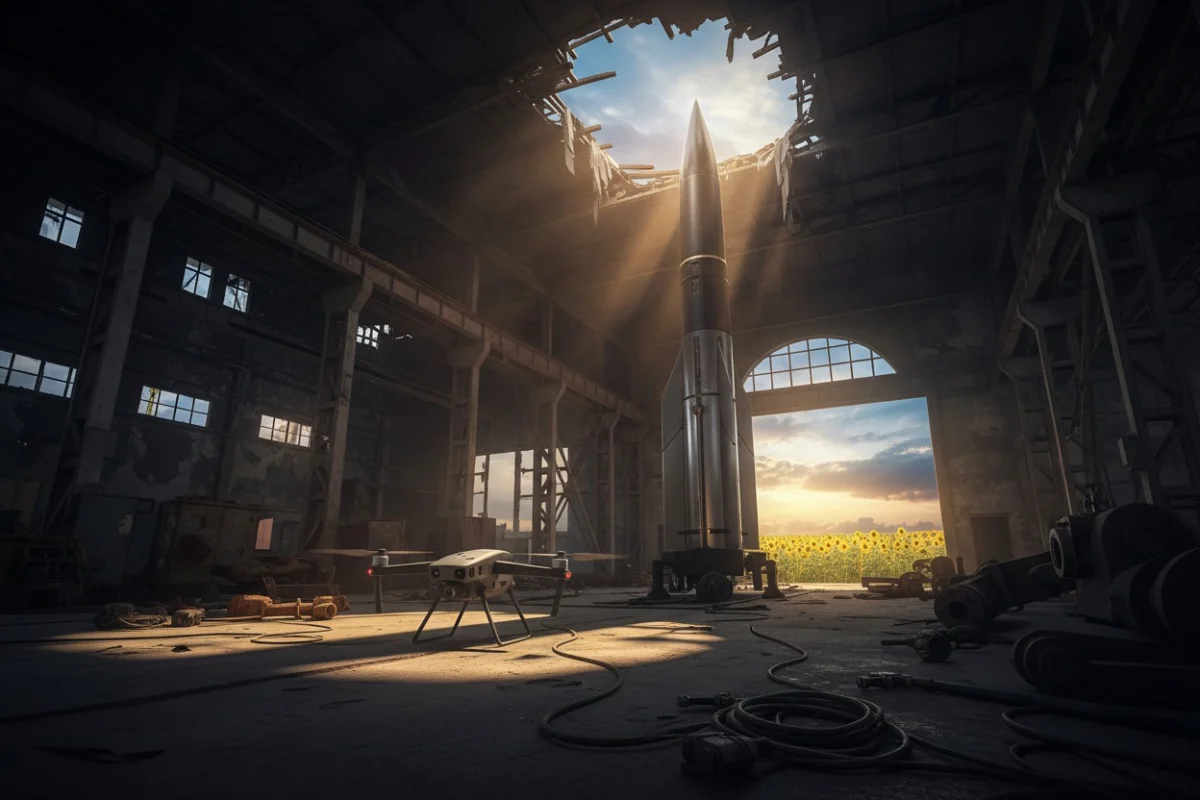
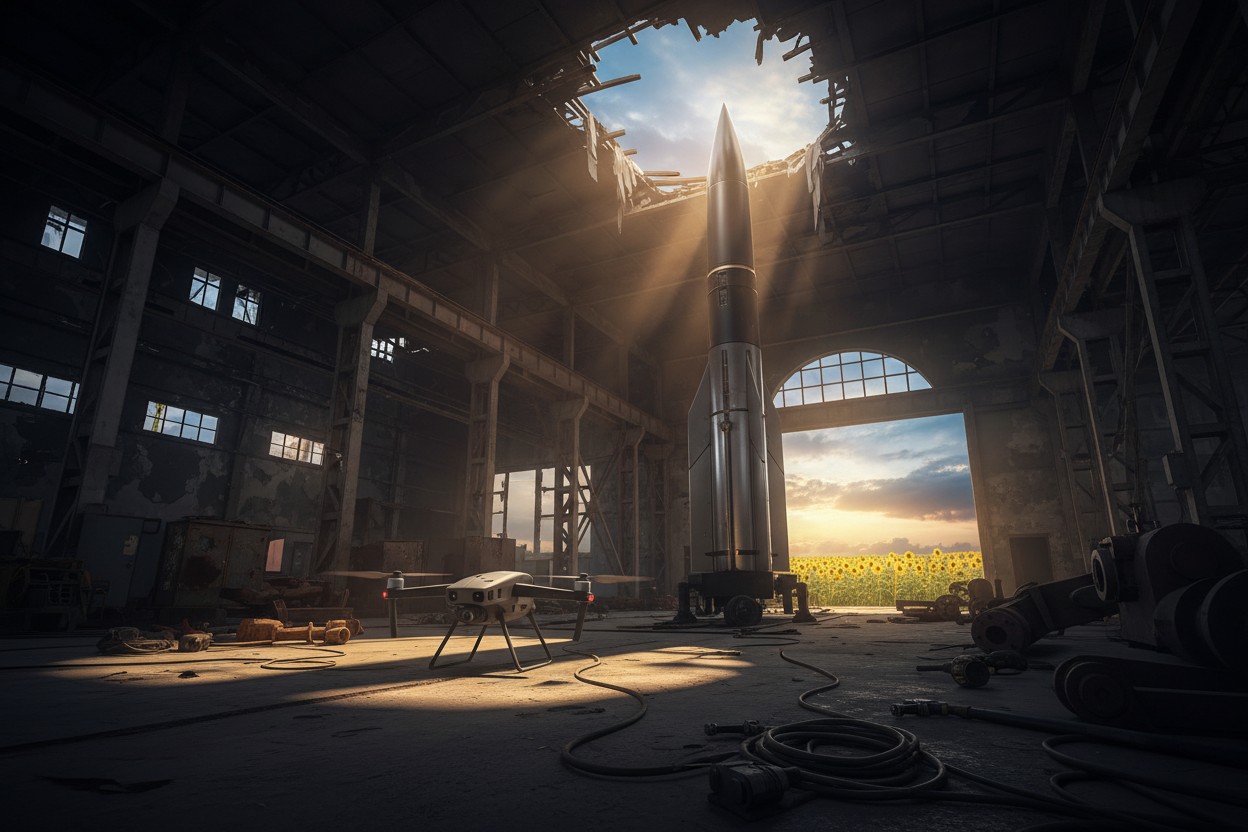
The Patriot system is a masterpiece of precision engineering, requiring specialized supply chains, high-tech manufacturing facilities, and a secure environment to test and calibrate sensitive components. Under current conditions, any facility capable of producing such sophisticated weaponry would be a high-value target for Russian long-range missile strikes. Establishing a sustainable, safe, and productive environment within Ukraine’s borders is a logistical paradox that cannot be solved while the country remains an active battlefield.
The European Alternative
Current discussions among stakeholders indicate that the most viable path forward is not domestic production in Ukraine, but rather a pivot to European industrial capacity. Sources suggest that Germany or another key European NATO ally would likely serve as the manufacturing hub for these interceptors. This strategy serves a dual purpose: it keeps production lines out of the range of Russian fire while leveraging the existing industrial infrastructure of the European defense sector. Only in a post-conflict environment, where industrial zones can be fortified and stabilized, could the technology transfer effectively transition to Ukrainian soil.
Official Responses and Diplomatic Duality
The reaction to the announcement has been characterized by a blend of diplomatic caution and geopolitical maneuvering.
The Kremlin’s Perspective
Kremlin spokesman Dmitry Peskov acknowledged the U.S. government’s ongoing role in supplying Ukraine, yet he pointed to a "certain duality" in Washington’s position. Peskov suggested that while the U.S. continues to fuel the conflict with advanced hardware, there remains a latent desire in American circles to facilitate a peace process, contrasting this with a more rigid European stance. Meanwhile, Russian Foreign Ministry spokeswoman Maria Zakharova took a more combative tone, dismissing the Ankara summit as "humiliating" for the Ukrainian delegation and asserting that NATO members had provided no substantive or meaningful response to Kyiv’s desperate pleas for more hardware.
U.S. Commitment
Despite the logistical hurdles, the U.S. remains publicly committed to the project. Secretary of State Marco Rubio has reaffirmed the administration’s dedication to weapons support for Ukraine. However, this commitment exists against a backdrop of domestic bipartisan tension. While Congress has shown a unified front in feeding the military-industrial complex to support Ukraine, the reality of dwindling stocks—highlighted by the Pentagon’s recent consideration of diverting interceptors meant for Ukraine to the Middle East—suggests that the U.S. is struggling to manage its obligations on multiple fronts.
Strategic Implications and Future Outlook
The promise of a Patriot production license acts as a stopgap, providing political optics that satisfy immediate demands while delaying the reality of the supply crisis.
The Pattern of Approval
Analysts have identified a recurring pattern in the U.S.-Ukraine military relationship:
- The Request: Kyiv identifies a critical need and initiates a diplomatic request.
- The Resistance: The U.S. administration initially declines or expresses skepticism, citing costs or escalation risks.
- The Leak: Information is leaked to the press to gauge international and domestic reactions.
- The Approval: Under pressure, the U.S. grants the request, often with significant implementation delays.
This trajectory suggests that the "Patriot License" is likely to follow the same path. While it serves as a powerful statement of solidarity, it is not a tactical solution for the current conflict.
Long-term Strategic Challenges
The global shortage of Patriot interceptors is not merely a Ukrainian problem; it is a systemic crisis affecting U.S. allies across Europe and Asia. As the Pentagon struggles to replenish its own reserves, the reliance on external manufacturing in Europe becomes a necessity rather than an option.
In conclusion, while the prospect of Ukraine producing its own Patriot missiles is a potent symbol of its aspirations for self-reliance, it remains an unfeasible endeavor in the current climate. The physical requirements of the Patriot system, the constant threat of destruction by Russian forces, and the reality of a global supply chain shortage dictate that production will remain firmly in the hands of NATO allies in Europe for the foreseeable future. The license, therefore, is less a blueprint for immediate factory construction and more a long-term commitment to Ukraine’s eventual integration into the Western defense industrial base—a goal that will remain on hold until the sounds of war finally fade.