








In a significant regulatory action that underscores the stringent safety requirements for pediatric medical devices, the U.S. Food and Drug Administration (FDA) issued a formal warning letter to Happiest Baby, Inc. on June 15, 2026. The manufacturer, best known for its popular SNOO Smart Sleeper, was cited for a series of compliance failures ranging from the unauthorized expansion of product lines to systemic deficiencies in how the company tracks and reports consumer complaints regarding product safety.
The regulatory intervention centers on the FDA’s concern that changes made to the device and its accessories—specifically the introduction of new sleep sack sizes and a "clinical bundle"—were implemented without the necessary premarket clearance, thereby bypassing critical safety evaluations.
Main Facts: The Regulatory Breach
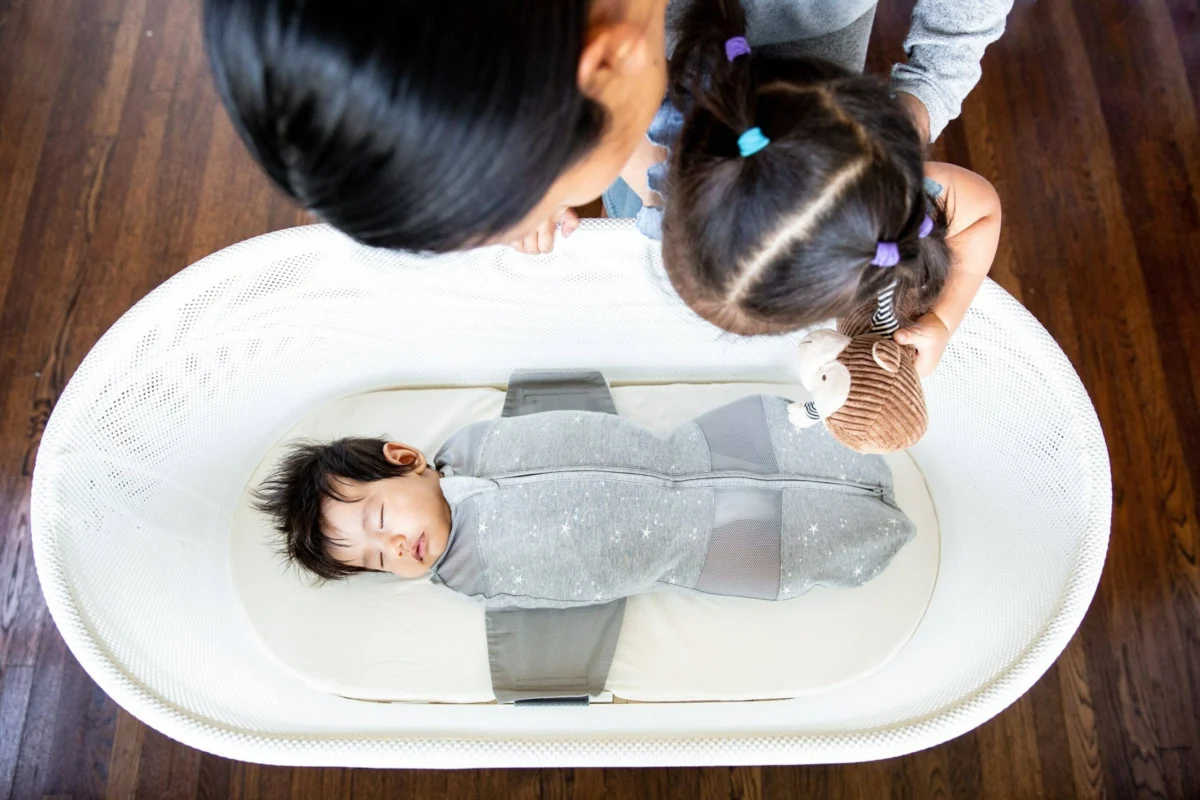
The core of the FDA’s grievance lies in the unauthorized modification of a device that had previously received de novo authorization for home use. The SNOO Smart Sleeper was originally cleared as an infant supine sleep system for babies up to six months old, restricted to the use of specific Small, Medium, and Large sleep sacks.
According to the FDA’s inspection, Happiest Baby introduced X-Small (4-8 lbs) and X-Large (23-25 lbs) sleep sacks without submitting a 510(k) premarket notification. Under federal law, manufacturers are required to demonstrate that any modification to a medical device is "substantially equivalent" to a legally marketed predicate device. By bypassing this, the company failed to provide data proving that these new sizes would not negatively impact infant safety.
Furthermore, the company began marketing a "SNOO Hospital Bundle," designed for use in clinical settings, including neonatal intensive care units (NICUs). The FDA contends that this expansion into the clinical environment constitutes a fundamental change in "intended use," necessitating a new regulatory review process that the company did not undertake.
Chronology of Regulatory Oversight
The warning letter follows an exhaustive inspection process that highlighted a disconnect between the company’s internal operations and federal medical device regulations.
- Initial Authorization: The SNOO Smart Sleeper was granted de novo authorization by the FDA, establishing it as a regulated medical device meant for home use under specific conditions.
- The Inspection Period: FDA investigators conducted a comprehensive facility inspection, during which they identified the unauthorized expansion of the product line and evaluated the company’s quality management systems.
- Discovery of Quality Violations: During the review, inspectors identified that Happiest Baby’s quality management system was failing to address consumer reports of device malfunctions or safety concerns individually.
- The June 15, 2026, Warning Letter: The FDA officially notified Happiest Baby of the violations, providing a deadline for the company to demonstrate how it will address the lapses and prevent future recurrences.
The Risk Profile: Why Size and Environment Matter
The FDA’s concerns regarding the new sleep sack sizes are grounded in biomechanics and infant respiratory safety. In the warning letter, the agency provided a detailed risk assessment of the unauthorized sizes:
The X-Small Risk
For the smallest infants (4-8 lbs), the FDA noted that improper fit could lead to "compressing vital organs and limiting diaphragmatic movement." Because infants of this weight class are particularly vulnerable, any restriction on the ability of the chest wall to expand can significantly hinder respiration, leading to potential hypoxia.
The X-Large Risk
Conversely, for the X-Large size (23-25 lbs), the agency highlighted the danger of the fabric "riding up." In an infant sleep environment, fabric that is not properly secured or is oversized poses a suffocation risk if it covers the infant’s nose or mouth. The FDA’s concern is that the company did not conduct testing to ensure that these larger sacks remained securely fastened throughout the night.
The Clinical Environment Disparity
The transition of the SNOO into hospitals introduces entirely new variables. The FDA noted that hospital environments require the use of specific chemical cleaners to prevent the spread of pathogens. If the device components—such as the mesh or the electronic housing—are not tested for compatibility with these cleaners, they may degrade, leading to mechanical failure or the release of chemical residues. Additionally, the inclusion of a wheeled mobility cart for hospital use introduced "tipping or rolling" hazards that were not accounted for in the original home-use authorization.
Quality System and Reporting Failures
Beyond the physical product changes, the FDA cited Happiest Baby for serious deficiencies in their Quality System Regulation (QSR).
Inadequate Complaint Handling
The FDA found that the company’s internal process for handling consumer complaints was systematically flawed. Rather than investigating each report individually—a cornerstone of medical device safety—the company reportedly "grouped" multiple complaints. This practice obscured the frequency and severity of specific issues, such as reports of mold growth on mattresses or complaints regarding the fit of sleep sacks. By aggregating these reports, the company failed to identify potential safety trends that should have triggered a formal investigation or a field correction.
Failure to Report Corrections
The agency also highlighted a failure to report to the FDA within the required 10-day window after initiating a correction program. The program involved the replacement of refurbished SNOO devices that were returned in a "stained and soiled" condition. The FDA noted that the presence of bodily fluids or contamination on refurbished units presents a significant health risk to infants, who possess immature immune systems. Failing to notify the FDA of these sanitation issues prevented the agency from ensuring that the company’s cleaning and sterilization protocols were adequate to prevent the transmission of infections.
Implications for the Pediatric Medical Device Market
This case serves as a stark reminder to manufacturers of infant-centric medical technology that the "innovation-first" mindset of the tech industry must be reconciled with the "safety-first" requirements of federal regulators.
The Regulatory Burden
For Happiest Baby, the implications are twofold. First, the company must now undertake a costly and time-consuming retrospective validation of the unauthorized products. Second, the company is likely under heightened scrutiny, meaning any future product updates will face a more rigorous and skeptical review process by FDA officials.
Impact on Consumer Trust
The SNOO has been a transformative device for many parents, but the revelation that safety complaints were potentially minimized or improperly managed is likely to damage consumer confidence. When parents purchase a medical device, they do so under the assumption that it has undergone the most rigorous safety testing available. The disclosure of "stained and soiled" refurbished units being recirculated without adequate oversight creates a significant reputational hurdle for the brand.
Precedent for Other "Smart" Infant Devices
The FDA’s action against Happiest Baby sets a precedent for how the agency will treat "connected" or "smart" infant devices. As more companies enter the space of AI-driven sleep aids, this warning letter signals that the FDA will strictly interpret "intended use." Any move from home to clinical settings, or any significant change in the physical interface of a device, will require formal FDA clearance.
Official Responses and Next Steps
As of this writing, Happiest Baby, Inc. is required to provide a written response to the FDA. This response must detail:
- Corrective Actions: A comprehensive plan explaining how the company will correct the current violations, including potential recalls or the halting of sales for the unapproved sleep sack sizes and the hospital bundle.
- Systemic Changes: A description of how the company intends to update its Quality Management System to ensure that all future complaints are handled individually and that all reports to the FDA are filed within the mandated timeframes.
- Preventative Measures: Evidence that the company has implemented a process to ensure that no future device modifications are brought to market without the required premarket authorization.
The FDA’s letter is not merely a request for documentation; it is a signal that the agency is prioritizing the protection of infants from potentially hazardous medical equipment. For Happiest Baby, the path forward requires complete transparency and a willingness to align their internal culture with the rigorous demands of federal healthcare compliance.
As the industry watches, the resolution of this case will likely influence how other manufacturers of pediatric technology approach the balance between rapid product iteration and the uncompromising safety standards required by the FDA. Parents and pediatricians alike are now waiting to see what specific remediations the company will offer to restore the integrity of the SNOO platform.