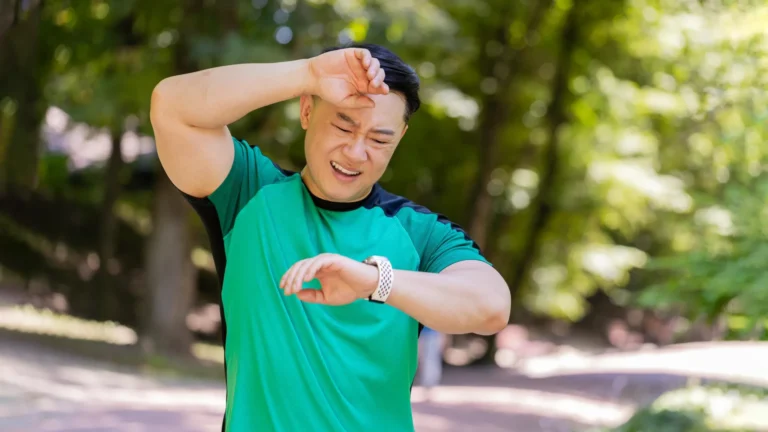
In the modern era of youth athletics, the landscape has shifted dramatically from the neighborhood pick-up game to a high-stakes, professionalized ecosystem. What was once a seasonal pursuit of recreation and camaraderie has morphed into a year-round commitment defined by specialization, intensive training volumes, and, increasingly, the shadow of athletic burnout. As researchers, coaches, and parents grapple with this trend, a consensus is emerging: the relentless pressure placed on developing bodies and minds is exacting a toll that threatens both the longevity of athletic careers and the holistic well-being of the next generation.
The Main Facts: Defining the Youth Sports Crisis
Youth sports burnout is not merely a temporary feeling of fatigue or a desire to take a season off. Clinically, it is defined as a psychological, emotional, and physical withdrawal from an activity that was once enjoyed. The primary drivers behind this surge in burnout include the premature specialization in a single sport, the demands of "travel team" culture, and the "year-round" participation model that leaves no room for restorative rest.
According to recent findings published in Sports Health (DiFiori et al., 2025), the intersection of hyper-competitive environments and physical overtraining is creating a "perfect storm." When young athletes are restricted to one sport, they are often subjected to repetitive stress on the same muscle groups and joints, leading to overuse injuries. However, the physical component is only half the story. The psychological burden—defined by performance anxiety, fear of failure, and the loss of personal autonomy—is arguably more pervasive. When a child’s identity becomes inextricably linked to their athletic performance, the pressure to maintain a high level of output leads to emotional exhaustion.
Chronology: The Evolution of the Modern Athletic Pipeline
To understand how we arrived at this critical juncture, we must examine the historical shift in youth sports culture over the last two decades.
2005–2012: The Rise of Specialization
During this period, the "professionalization of youth sports" began in earnest. The narrative suggested that if a child wanted to compete at the collegiate or professional level, they needed to begin specialized training before puberty. Travel leagues proliferated, and the concept of a "multi-sport athlete" began to decline in popularity, labeled by some as an inefficient use of training time.
2013–2020: The Cost of the "Year-Round" Model
As competitive leagues expanded, the "off-season" effectively vanished. Athletes began playing the same sport for 10 to 12 months a year. Data during this era began to highlight a spike in overuse injuries, such as stress fractures and ligament tears, which were previously associated with older, adult athletes.
2021–2026: The Mental Health Pivot
Following the global disruptions of the early 2020s, a new focus emerged: the mental health of the athlete. Organizations began to recognize that the dropout rate among teenagers—often referred to as the "age of attrition"—was not just due to physical fatigue, but a systemic failure to keep sports fun and developmentally appropriate. The 2025 studies by Watson et al. reflect this shift, moving the conversation from "how to build a better athlete" to "how to keep an athlete in the game."
Supporting Data: What the Research Reveals
The data provided in the Fitness Journal (2026, Issue 7) highlights a sobering reality. The research conducted by Watson, Brooks, and Stensland (2025) underscores a direct correlation between high-volume, single-sport specialization and mental health decline.
- The Attrition Rate: Approximately 70% of youth athletes drop out of organized sports by the age of 13. The primary reason cited is "no longer having fun."
- Overuse Injury Trends: Among athletes specializing in one sport before age 14, there is a 30% to 50% increase in chronic overuse injuries compared to those who engage in multiple disciplines.
- Psychological Markers: High-specialization athletes report higher scores on standardized burnout inventories, including higher levels of emotional detachment and reduced sense of accomplishment, even when they are performing well.
These data points serve as a warning: the current trajectory is unsustainable. The goal of youth sports—long-term athletic development—is being undermined by the short-term goal of immediate performance, which is ironically self-defeating.
Official Responses and Expert Consensus
The scientific and coaching communities have begun to coalesce around a new set of recommendations. Leading experts, including Dr. John DiFiori and colleagues, emphasize that "early specialization" is a myth that prioritizes short-term success over long-term development.
The Recommendation for Multi-Sport Participation
Experts now advocate for "sampling" sports. By playing different sports, children develop a broader range of movement patterns—improving agility, coordination, and strength in ways that single-sport training cannot replicate. Furthermore, switching sports acts as a natural "mental reset," preventing the psychological staleness that comes with monotonous repetition.
The Necessity of Unstructured Play
One of the most profound losses in modern youth sports is the "pick-up game." Unstructured, coach-free play allows children to take ownership of the game, foster creativity, and resolve conflicts independently. Researchers suggest that re-introducing this "free play" into a child’s weekly schedule is essential for reducing the pressure-cooker environment of formal team practices.
The Role of Coaching Education
Organizations are now pivoting to mandate coaching certifications that focus on developmental psychology. Coaches are being taught to recognize the early warning signs of burnout: decreased performance, irritability, social withdrawal, and a loss of interest in hobbies that the athlete once loved.
Implications: The Path Toward a Sustainable Future
The implications of this research are clear: if we do not change the culture of youth sports, we risk alienating a generation of potential athletes and, more importantly, harming the mental health of our youth.
A Cultural Reset
A shift in the "win-at-all-costs" mentality is required. This starts with parents and leagues prioritizing age-appropriate development over tournament rankings. For a 10-year-old, the focus should be on skill acquisition and enjoyment, not on scouting reports or travel team travel schedules.
Redefining Success
Success in youth athletics should be measured by retention, not just trophies. An athlete who is still playing and enjoying their sport at age 18 is a success story. An athlete who burns out at 14, regardless of their accolades, is a cautionary tale of a system that failed to support their growth.
The Role of Recovery
Rest is not a lack of effort; it is a fundamental component of training. The body and the brain require time to recover from the stresses of competition. Incorporating mandatory "off-seasons" and rest days is not just a physical necessity—it is a mental health imperative.
Conclusion: A Holistic Approach to the Athlete
The modern youth sports ecosystem is at a crossroads. We have the data, the research, and the expert guidance to pivot toward a more sustainable and healthy model. By embracing multi-sport participation, protecting time for unstructured play, and acknowledging the importance of mental health alongside physical conditioning, we can foster a culture that produces not only better athletes but, more importantly, healthier and happier individuals.
The objective of youth sports should remain what it has always been: to provide a space for growth, connection, and joy. As we move forward, it is incumbent upon coaches, parents, and organizations to ensure that the game remains a benefit to the child, rather than a burden. The long-term health of our youth depends on our willingness to prioritize the person over the player.
References
- DiFiori, J. P., Brenner, J. S., & Jayanthi, N. A. (2025). Youth sport specialization, burnout and athlete well-being: Current perspectives and recommendations. Sports Health, 17(2), 145–153.
- Watson, A. M., Brooks, M. A., & Stensland, S. (2025). Mental health, burnout and participation trends among youth athletes. Current Sports Medicine Reports, 24(3), 88–95.
- Fitness Journal – 2026, Issue 7. (2026). Retrieved from [Fitness Journal Archives].