









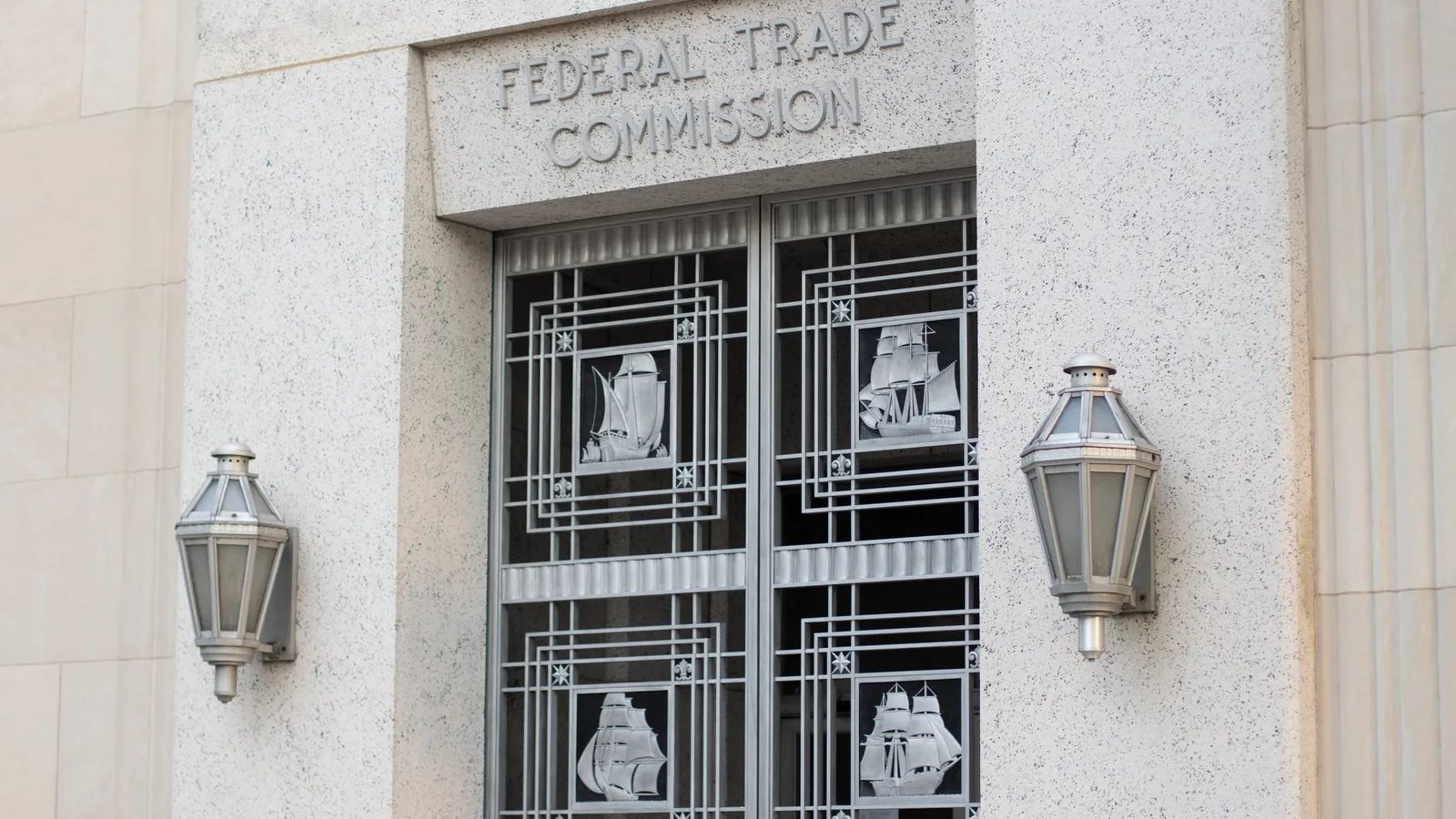
In a landmark enforcement action, medical device titan Edwards Lifesciences has agreed to pay a record-breaking $12 million civil penalty to settle allegations that it deliberately circumvented federal antitrust review processes. The Federal Trade Commission (FTC) alleged that the artificial heart valve manufacturer engaged in a strategic "structuring" of its acquisition of JC Medical to dodge the mandatory reporting requirements mandated by the Hart-Scott-Rodino (HSR) Act.
This settlement marks a significant moment in the FTC’s recent crusade against what it terms “stealth acquisitions,” particularly within the highly consolidated medical technology sector. The case highlights the regulatory risks companies face when attempting to navigate the thin line between legitimate strategic investment and the evasion of federal oversight.
The Core Allegation: Structuring Around Regulatory Thresholds
The crux of the FTC’s complaint centers on the 2024 acquisition of JC Medical, a developer of transcatheter aortic valve replacement (TAVR) technology. According to the FTC, the transaction was designed to fall just below the HSR Act’s mandatory filing threshold.
At the time of the transaction, the HSR reporting threshold was $119.5 million. The FTC asserts that Edwards Lifesciences purposefully structured the deal to include a $115 million cash payment for JC Medical and its J-Valve system. By keeping the headline price just under the $119.5 million trigger, Edwards avoided the mandatory waiting period and the rigorous “second request” investigation that would have inevitably followed.
However, the FTC’s investigation revealed that this was not the full extent of the deal. Edwards simultaneously committed to a $25 million equity investment in Genesis Medtech, the parent company of JC Medical, ostensibly to support product and market development. When aggregated, these payments far exceeded the HSR filing threshold. The FTC successfully argued that the equity investment was not a separate, unrelated transaction, but a component of the broader acquisition strategy designed to consolidate control while bypassing federal scrutiny.
Chronology of the Regulatory Confrontation
The sequence of events leading to this record penalty reveals a company aggressively seeking to dominate the market for aortic regurgitation (AR) treatments—a market segment characterized by high barriers to entry and intense clinical competition.
- August 2024: Genesis Medtech announces the sale of JC Medical to Edwards Lifesciences. The deal, which brings the innovative J-Valve system under the Edwards umbrella, is completed without an HSR filing.
- Late 2024: Edwards Lifesciences launches a separate, much larger bid to acquire JenaValve Technology for $945 million. JenaValve is a direct competitor to JC Medical in the space of TAVR devices for aortic regurgitation.
- Early 2025: The FTC scrutinizes the JenaValve deal, recognizing that the combination of JC Medical and JenaValve would have granted Edwards a virtual monopoly on emerging TAVR technologies for aortic regurgitation.
- January 2026: The U.S. District Court for the District of Columbia grants the FTC’s request for a preliminary injunction, effectively blocking the acquisition of JenaValve.
- Early 2026: Faced with the court’s ruling and increasing regulatory pressure, Edwards formally abandons its plans to acquire JenaValve.
- Present Day: Edwards reaches a settlement with the FTC, agreeing to pay the $12 million fine—the largest in the history of the HSR Act—and agreeing to stringent ongoing oversight.
Supporting Data and the Market Landscape
The regulatory focus on Edwards is not accidental. The medical device industry has seen a wave of consolidation that often leaves patients with fewer choices and creates significant price-setting power for the few remaining players.
Aortic regurgitation is a condition where the heart’s aortic valve does not close tightly, causing blood to leak back into the heart. The development of TAVR devices to treat this condition represents a massive, untapped market. Prior to the FTC’s intervention, JC Medical and JenaValve were the only two companies in the United States with TAVR devices for AR in clinical trials.
By attempting to acquire both, Edwards was effectively executing a "roll-up" strategy. If successful, the company would have controlled the entire pipeline for the next generation of life-saving valve technology. The FTC’s enforcement action against the JC Medical deal was, in many ways, a precursor to its more aggressive stance against the JenaValve acquisition, signaling to the industry that the Commission would look past corporate legal structures to the underlying competitive reality.
Official Responses and Strategic Pivot
The response from the Federal Trade Commission has been sharp and punitive, reflecting Chairman Andrew Ferguson’s broader agenda of aggressive antitrust enforcement.
“Companies that try to sneak deals through without lawful FTC review should take notice,” Ferguson stated in a press release. “The FTC will be vigilant in enforcing the requirements of the Hart-Scott-Rodino Act and we will not hesitate to seek penalties for its violation.”
For its part, Edwards Lifesciences has opted for a path of conciliation rather than continued litigation. In a statement, an Edwards spokesperson noted: “After careful consideration, we believe resolving this with the FTC is the best path forward as we proceed with a clear focus on our mission to innovate for structural heart patients.”
The company has pivoted toward internal development, emphasizing that it remains committed to its “Sojourn” transcatheter AR valve and the ongoing “JOURNEY” pivotal clinical trial. By shifting the narrative from acquisition-based growth to organic innovation, Edwards is attempting to rehabilitate its image in the eyes of regulators and investors alike.
Implications: A New Era of Antitrust Vigilance
The implications of this settlement extend far beyond Edwards Lifesciences. The $12 million penalty sends a clear message to the medtech, pharma, and private equity sectors: The FTC is looking at the substance, not just the form.

1. The Death of "Threshold Arbitrage"
Companies often rely on clever accounting and deal-structuring to stay just below the HSR threshold. This case proves that the FTC is prepared to aggregate payments, earn-outs, and secondary investments to calculate the “true” value of a deal. Firms that attempt to slice deals into smaller components to avoid reporting requirements are now at extreme risk.
2. Enhanced Compliance Requirements
As part of the settlement, Edwards is now subject to a rigorous compliance program. They must notify the FTC in advance of any future acquisitions involving TAVR devices for aortic regurgitation. This effectively grants the FTC "veto-like" oversight on Edwards’ future growth strategy in this specific clinical area.
3. A Precedent for Future Enforcement
The “largest-ever” nature of this fine establishes a new floor for penalties. Future violators can expect the FTC to use this case as a benchmark for calculating fines, making the "cost of doing business" through non-compliance significantly higher than it was in previous years.
4. Cooling the M&A Climate
For mid-to-large-cap medtech firms, the current environment has become substantially more hostile to aggressive consolidation. Companies will likely lean toward more conservative, smaller-scale investments or face the prospect of protracted, expensive, and public legal battles with the FTC.
5. The "Patient-First" Narrative
The FTC’s victory is framed heavily around the protection of patient access to innovation. By forcing companies to keep competitors independent, the Commission is positioning itself as an advocate for the patient, which makes it politically difficult for companies to argue against the Commission’s interventions without appearing to prioritize profit over public health.
Conclusion
The settlement between the FTC and Edwards Lifesciences serves as a definitive turning point in the oversight of medical device industry mergers. While Edwards maintains its commitment to advancing its own valve technology, the company’s ability to grow through external acquisitions has been permanently altered by this regulatory rebuke. As the industry looks ahead, the era of “stealth” acquisitions appears to be coming to a close, replaced by a climate of transparency, heavy oversight, and the looming threat of massive financial penalties for those who attempt to operate in the shadows of the law.