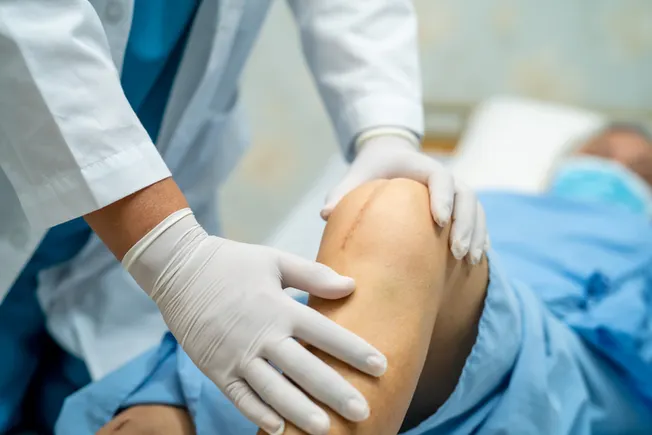
In an era where digital health is rapidly transitioning from elective wellness tracking to clinical-grade patient monitoring, a new partnership is aiming to redefine the standard of care for orthopedic surgery. Whoop, the human performance company known for its wrist-based biometric monitors, and Kinomatic, a specialist in surgical planning software, have announced a joint pilot program dubbed "Restore." This initiative seeks to bridge the critical gap between hospital discharge and long-term recovery for patients undergoing knee and hip replacement procedures.
Main Facts: The "Restore" Pilot Program
The Restore pilot program is designed to provide surgeons and clinical staff with granular, real-time data on how patients are faring in the weeks and months following major joint replacement surgery. Traditionally, orthopedic follow-up is episodic—consisting of a brief check-up at the two-week mark and intermittent physical therapy sessions. Restore changes this cadence by offering a continuous stream of physiological data.
The pilot, currently operating across three specific clinical sites in California, involves a cohort of more than 100 participants. By integrating Whoop’s advanced wearable sensors—which track heart rate variability (HRV), sleep quality, physiological strain, and recovery metrics—with Kinomatic’s surgical planning and concierge care platforms, the companies hope to create a closed-loop system of recovery.
The primary metrics for success in this pilot are twofold: an improvement in functional outcomes, specifically the range of motion (ROM) in knee and hip flexion, and a significant reduction in the reliance on opioid painkillers during the rehabilitation process. Patients enrolled in the study will be monitored closely at the two-week post-operative milestone, with a comprehensive longitudinal follow-up scheduled one year after surgery to assess long-term efficacy.
Chronology: The Evolution of Orthopedic Monitoring
The integration of digital health tools into orthopedic surgery did not happen in a vacuum. The trajectory of this technology follows a decade of innovation in both sensor miniaturization and cloud-based data analytics.
- Pre-2020: Orthopedic recovery was largely subjective, relying on patient-reported outcomes (PROs) and physical examinations during clinic visits. Surgeons often lacked insight into whether patients were adhering to physical therapy regimens or if their sleep quality—a key indicator of healing—was suffering.
- 2021-2022: As wearable technology became more sophisticated, manufacturers began exploring the clinical utility of heart rate variability and sleep tracking in predicting post-surgical complications, such as infection or deep vein thrombosis.
- Early 2023: Kinomatic began developing its surgical planning suite, recognizing that surgical precision is only half the battle; the "recovery journey" is where the most significant variance in patient outcomes occurs.
- Early 2024: The FDA issued new guidance that eased oversight for certain low-risk software features in wearables, signaling a regulatory shift that encouraged companies like Whoop to lean further into the healthcare space.
- Mid-2024: The announcement of the Restore partnership marks the formal commencement of the pilot, bringing together data-driven wearables with specialized orthopedic software.
Supporting Data and the Biometric Shift
The impetus for the Restore program is grounded in the mounting evidence that objective data leads to better clinical decisions. According to industry analysts, the integration of wearables in orthopedics is part of a broader trend of "biometric-enabled recovery."
The data provided by Whoop—specifically heart rate variability—serves as a proxy for the body’s autonomic nervous system balance. In a post-surgical context, a significant drop in HRV can signal physical stress, inflammation, or infection before the patient might even feel the onset of symptoms. By monitoring these trends, patient navigators and surgeons can proactively adjust rehabilitation plans, potentially avoiding the need for emergency readmissions.
Furthermore, the focus on reducing opioid use is a critical response to the ongoing public health crisis. By providing patients with evidence-based data regarding their physical strain and recovery, clinicians can better manage pain expectations and reduce the unnecessary administration of addictive substances.
Industry leaders are watching this space closely. Zimmer Biomet, a major player in the orthopedics sector, has already begun integrating sensors directly into knee implants, coupled with their own care management platforms. The Whoop-Kinomatic partnership represents a slightly different, more "agile" approach: using off-the-shelf, high-fidelity wearables to provide a comprehensive view of the patient without requiring a proprietary implant.
Official Responses and Strategic Vision
The collaboration between Whoop and Kinomatic is being framed as a move toward "concierge surgical care."
Kinomatic’s role is to act as the interface between the surgical data and the patient’s day-to-day life. By utilizing their surgical planning software, Kinomatic can tailor the recovery program to the specific anatomy and surgical nuances of each patient, ensuring that the goals set for the patient are realistic and data-backed.
Representatives from both companies have emphasized that the pilot is intended to alleviate the "information asymmetry" that often plagues post-surgical care. Surgeons are often in the dark regarding their patient’s activity levels once they leave the operating room; Whoop’s dashboard aims to illuminate this "black box" period.
"We are moving from a model where we ask the patient how they feel, to a model where we know how they are healing," noted a project lead close to the pilot. By providing surgeons with actionable data, the clinical team can intervene precisely when a recovery plateaus, rather than waiting for a scheduled appointment to discover a problem.
Implications for the Future of Orthopedics
The implications of this pilot are far-reaching for healthcare providers, insurance payers, and patients alike.
1. The Shift to Value-Based Care
As the healthcare industry moves away from fee-for-service models toward value-based care, outcomes are everything. Insurance providers are increasingly looking for ways to reduce the cost of complications—such as readmissions for surgical site infections or secondary procedures due to poor healing. If the Restore program can demonstrate that wearable-led monitoring leads to fewer complications and faster recovery times, it could quickly become a standard requirement for reimbursement in orthopedic surgery.
2. The Regulatory Landscape
The FDA’s recent decision to loosen oversight on wellness-focused software features has been a catalyst for this partnership. By allowing blood pressure measurements and other physiological markers to fall under wellness exemptions, the FDA has cleared a path for tech companies to partner with clinical entities without becoming bogged down in the lengthy and expensive medical device approval process for every minor software update. This agility is essential in a fast-moving tech environment.
3. Patient Engagement and Empowerment
Perhaps the most overlooked benefit is the psychological impact on the patient. Orthopedic surgery is daunting, and the recovery phase is often lonely and anxiety-inducing. By providing patients with a wearable device that gives them a window into their own healing process, the Restore program fosters a sense of agency. Patients who can see their progress—whether through increased heart rate variability or better sleep metrics—are statistically more likely to adhere to their physical therapy and remain motivated throughout the long recovery arc.
4. Precision Surgery and Personalized Recovery
Looking forward, the integration of Kinomatic’s planning software with Whoop’s data could lead to a future of "personalized recovery trajectories." Imagine a system that predicts a patient’s recovery speed based on their baseline biometric data and adjusts their physical therapy intensity automatically. As the artificial intelligence models behind these platforms learn from the 100-plus participants in the current California pilot, the precision of these recovery predictions will only improve.
Conclusion: A New Standard of Care
The Restore pilot program is more than just a collaboration between a fitness brand and a surgical software company; it is a manifestation of the "digital twin" concept applied to human biology. By merging the surgical plan with the patient’s real-time physiological response, Whoop and Kinomatic are establishing a framework that could fundamentally alter how surgeons view the post-operative period.
While the current pilot is limited in scope, its success could serve as a blueprint for the entire orthopedic industry. As the line between "wellness" technology and "medical" technology continues to blur, the patients of the future will likely enjoy a recovery process that is safer, more transparent, and significantly more efficient. The transition from episodic care to continuous monitoring is not just a technological upgrade—it is a necessary evolution in the pursuit of better surgical outcomes.
As the one-year follow-up results begin to trickle in, the orthopedic community will be waiting to see if these digital tools can indeed deliver on the promise of a more responsive, patient-centered, and opioid-sparing recovery. If they do, the days of the two-week post-op "blind spot" may soon be a relic of the past.