






For decades, the bedrock of public health advice has been defined by a singular, minimalist objective: the prevention of deficiency. Whether it is the Recommended Dietary Allowance (RDA) for protein or baseline guidelines for physical activity, the messaging has historically focused on the bare minimum required to keep the human body from breaking down.
However, a provocative new paper published in the journal Frontiers in Nutrition is challenging this "survival-first" paradigm. Authored by Dr. Chris Macdonald, a Fellow of Lucy Cavendish College at the University of Cambridge and Director of the Better Protein Institute, the study argues that by focusing only on avoiding illness, we have inadvertently neglected the strategies required to achieve true, long-term vitality. According to Dr. Macdonald, it is time to pivot our national and global guidelines toward "optimal health"—a state characterized by sustained independence, cognitive sharpness, and physical resilience well into our later years.
The Paradigm Shift: From Deficiency to Optimization
The fundamental argument presented by Dr. Macdonald is that our current public health infrastructure is outdated. Most government-issued health guidelines were developed to combat malnutrition and prevent metabolic collapse in sedentary populations. While these metrics were revolutionary during the mid-20th century, they are ill-equipped to address the challenges of the 21st century: an aging population, rising rates of sarcopenia (age-related muscle loss), and the cognitive decline associated with modern, sedentary lifestyles.
"Public health advice often focuses on the minimum people need to avoid problems," Dr. Macdonald notes. "But many people want to know what they should do to remain strong, independent, and mentally sharp throughout life."
By reframing exercise and protein intake as tools for long-term "healthspan"—the period of life spent in good health—rather than just "lifespan," the paper calls for a structural overhaul of how we communicate health to the public. The shift is not merely academic; it is a call to move away from the "survival mindset" and toward a proactive model of human flourishing.
Exercise: The Architect of Longevity
One of the paper’s primary focuses is the symbiotic relationship between movement and long-term health. The current "150 minutes of moderate activity" guideline, while a helpful starting point, is presented in the paper as a floor rather than a ceiling.
The Synergy of Aerobics and Resistance
Dr. Macdonald’s review synthesizes a vast array of longitudinal data, pointing toward a "gold standard" of physical activity that combines aerobic conditioning with resistance training. While walking, running, and cycling are essential for cardiovascular health and metabolic efficiency, they do not provide the structural protection needed to prevent the frailty that often defines old age.
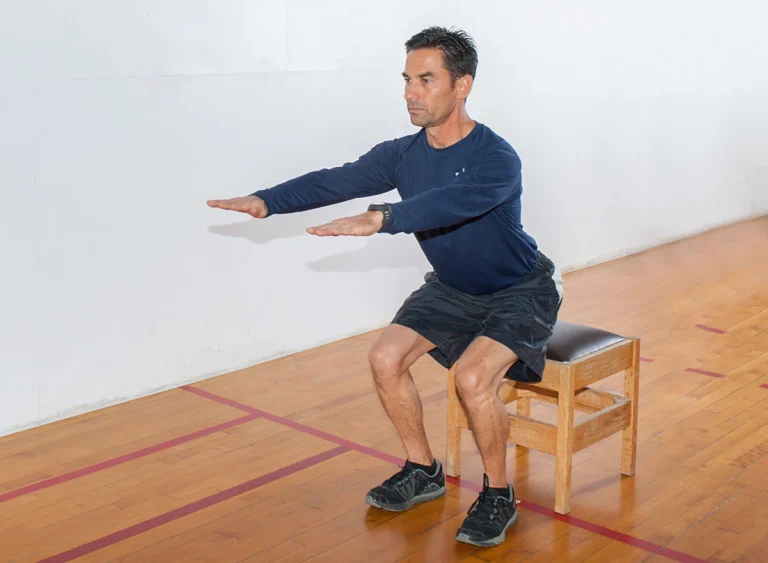
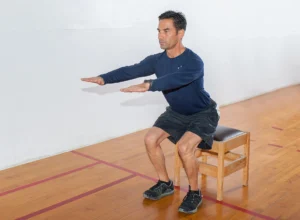
Resistance training—lifting weights, bodyweight exercises, or using resistance bands—serves as the primary defense against the inevitable loss of bone density and muscle mass. The evidence suggests that individuals who engage in both types of training see a marked reduction in all-cause mortality. Beyond the physical, the review highlights the neuroprotective benefits of exercise; consistent physical exertion has been linked to improved cognitive function and a decreased risk of neurodegenerative conditions, effectively helping the brain stay as "fit" as the body.
Protein Intake: Re-evaluating the "Minimum"
Perhaps the most contentious aspect of the paper involves the re-evaluation of protein requirements. Current UK guidelines, which are largely mirrored by international bodies, are predicated on preventing protein deficiency in sedentary individuals.
The Case for Higher Intake
Dr. Macdonald argues that these guidelines are inadequate for a significant portion of the population. Specifically, he identifies three groups that require a recalibration of their nutritional needs:
- Physically Active Individuals: Those who engage in regular exercise require increased protein to facilitate muscle protein synthesis and tissue repair.
- Older Adults: As the body becomes less efficient at processing protein (a condition known as anabolic resistance), older individuals need higher doses of high-quality protein to maintain muscle mass and prevent the decline into frailty.
- Pregnant Women: The physiological demands of pregnancy necessitate a higher intake to support fetal development and maternal health.
The review also highlights a common misconception regarding protein: the idea that higher intake is exclusively for the "bodybuilder" demographic. The paper cites compelling evidence that higher-protein diets support fat loss by increasing satiety and the thermic effect of food (the energy required to digest protein), making it an effective tool for body composition management.
Debunking the Meat-Only Myth
A critical component of the paper’s findings is the accessibility of high-protein nutrition. The review notes that higher protein consumption is by no means limited to animal-based diets. With intentional meal planning, plant-based diets—utilizing legumes, soy, seitan, and supplemental proteins—can provide the necessary amino acid profiles to support significant physical performance, as evidenced by the rise of elite vegan powerlifters and strength athletes.
Implications for Public Health and Society
The final sections of the paper address the sociological implications of our current health narrative. Dr. Macdonald suggests that we have allowed a "cultural normalization of frailty."
Challenging the "Father Time" Myth
"When we see a stereotypical image of a hunched-over, slow, fragile person with ill health in their later years, it seems like an inevitable consequence of ‘Father Time,’" says Dr. Macdonald. "However, I propose that in most cases, it is evidence of a non-evidence-based lifestyle."
The paper argues that we must stop viewing the decline of the elderly as an unavoidable biological outcome. Instead, we should view it as a cumulative result of decades of insufficient physical stimulus and nutritional inadequacy. By treating the body as a system that requires regular, high-intensity maintenance, we can, in many cases, delay or mitigate the onset of the chronic conditions that characterize the final chapters of life.
The Aesthetics vs. Functionality Divide
Dr. Macdonald also tackles the stigma surrounding high-intensity exercise and protein-rich diets. Because these tools are often marketed through the lens of "abs" and "beach bodies," the general public often dismisses them as superficial or extreme. The paper calls for a radical rebranding of these habits.
When a grandmother performs a deadlift or a septuagenarian maintains high protein intake, they are not training for a photoshoot. They are training for the ability to carry groceries, to get up from a chair without assistance, and to remain cognitively engaged with their families. By decoupling these habits from aesthetic vanity and re-associating them with functional independence, the medical community can make them more palatable and sustainable for the general population.
Future Directions: A Call to Action
The research published in Frontiers in Nutrition does not advocate for the immediate abandonment of current guidelines. Instead, it proposes a "supplemental" approach. Dr. Macdonald suggests that public health bodies should provide two distinct tiers of advice:
- The Baseline: The minimum required to prevent deficiency and acute disease.
- The Optimal: Evidence-based recommendations for individuals who wish to maximize their healthspan, cognitive function, and physical resilience.
This tiered approach would allow healthcare providers to offer more nuanced advice, helping patients move from "just getting by" to "thriving."
Conclusion
The evidence presented by Dr. Macdonald serves as a wake-up call for both public health officials and the general public. We are currently trapped in a cycle of managing the symptoms of a sedentary, under-nourished lifestyle. By shifting our focus toward optimal health—emphasizing the necessity of resistance training and adequate protein intake—we have the potential to fundamentally alter the trajectory of human aging.
As the global population continues to age, the societal cost of chronic illness will become increasingly unsustainable. Empowering individuals to reclaim their strength and independence is not just a personal health goal; it is a public health imperative. The journey to a healthier society starts with the realization that the body is not merely meant to survive, but to be maintained as a resilient, functional vessel for as long as possible. The tools for this transformation are already at our disposal; the only remaining step is to change the way we use them.