As the human body navigates the complexities of the seventh decade and beyond, physical maintenance becomes less about aesthetic transformation and more about functional longevity. Aging brings a cascade of physiological shifts—sarcopenia (the age-related loss of muscle mass), reduced bone mineral density, and the often-frustrating metabolic changes that contribute to weight gain. However, among the most critical health pillars for those over 60 is a factor often overlooked until it is too late: balance.
Maintaining physical stability is not merely a convenience; it is a vital safeguard against falls and the life-altering injuries that frequently follow. To navigate this challenge, we spoke with Jacob Siwicki, founder of Siwicki Fitness, an NCSF and AFAA-certified expert, and a former top-ranked fitness authority in Washington, D.C. Siwicki argues that mastering balance is a distinct neurological and physical discipline that requires specific, intentional training.
The Crucial Distinction: Strength vs. Balance
One of the most pervasive myths in the fitness industry is that leg strength and balance are synonymous. Siwicki clarifies this misconception with a sharp, professional distinction.
"People often conflate the two, but they serve entirely different functions," Siwicki explains. "Strength is the force your muscles generate—it’s what powers you up a flight of stairs or helps you rise from a deep armchair. Balance, however, is a sophisticated function of your nervous system. It is the ability to keep your center of gravity over your feet and to react instantaneously when an external force—like a slippery rug or an uneven sidewalk—threatens your stability."
According to Siwicki, strength provides the "catch"—the physical capacity to recover if you stumble—but balance is the primary preventative measure that keeps you from stumbling in the first place. For individuals over 60, developing this synergy between muscular force and neuromuscular coordination is the ultimate insurance policy for staying upright, mobile, and out of the emergency room.
The Physiological Chronology of Aging
To understand why balance training is non-negotiable after 60, one must look at the biological timeline of the aging body:
- The 40s and 50s: The onset of silent changes. Bone density begins a gradual decline, and sedentary habits often lead to the atrophy of stabilizer muscles, particularly in the ankles and core.
- The 60s: Sarcopenia accelerates. The body’s proprioception—the internal sense of where your limbs are in space—begins to dull. This is often exacerbated by changes in vision or inner-ear function, which are critical inputs for the brain’s balance-maintenance system.
- The 70s and Beyond: Without intervention, the risk of a "first fall" increases exponentially. A fall at this stage is not just an isolated event; it is often the catalyst for a cascade of mobility limitations, fear-avoidance behaviors, and decreased quality of life.
Supporting Data: Why Fall Prevention Matters
The statistics regarding falls in the older adult population are sobering. According to the Centers for Disease Control and Prevention (CDC), falls are the leading cause of injury-related death among adults aged 65 and older. Every year, millions of older Americans fall, and many of these incidents result in hip fractures, traumatic brain injuries, and long-term hospitalizations.
However, the data also offers a hopeful outlook: targeted, consistent exercise—specifically movements that challenge the vestibular system and core stability—can reduce fall risk by as much as 25% to 30%. By focusing on standing, functional exercises, individuals can retrain their nervous system to respond more effectively to the unpredictability of daily life.
Expert-Recommended Regimen: Four Pillars of Stability
Siwicki recommends incorporating the following four movements into your daily or weekly routine. These exercises are designed to be low-impact, accessible, and highly effective for seniors of varying fitness levels.
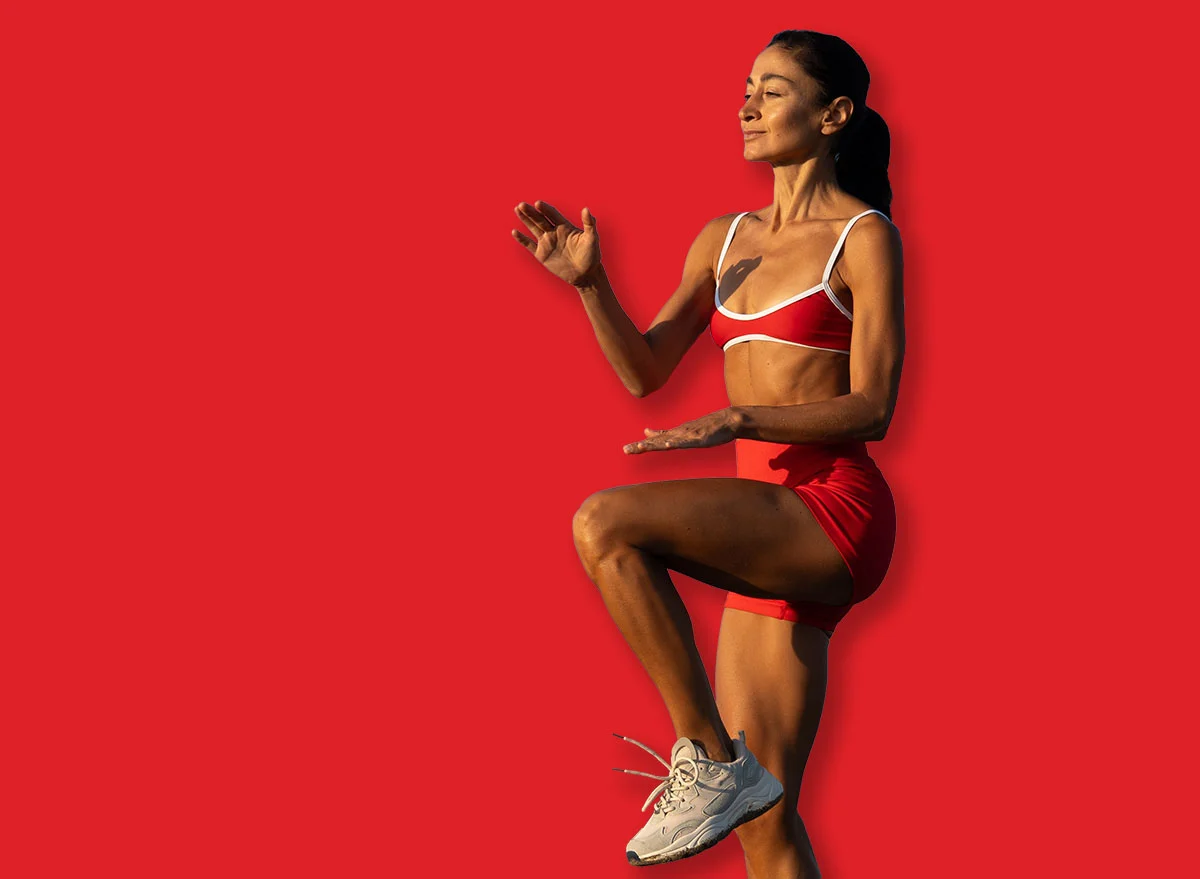
1. Slow Marches
Slow marches are an excellent entry point for improving coordination and engaging the core. By slowing down the movement, you force your body to stabilize on one leg for a longer duration.
- The Technique: Stand tall with your feet hip-width apart. Slowly lift one knee toward your chest while keeping your torso perfectly upright. Pause at the top of the movement to test your stability before placing the foot back down. Repeat on the other side.
- Why it works: It mimics the natural gait cycle but removes the momentum, forcing your hip stabilizers to engage to keep you upright.
2. Tandem Stance Holds
Often called the "heel-to-toe" stand, this exercise is the gold standard for testing and improving static balance.
- The Technique: Place one foot directly in front of the other, so the heel of your front foot touches the toes of your back foot. Hold this position for 30 to 60 seconds. Switch your feet and repeat.
- Why it works: By narrowing your base of support, you force your brain to rely heavily on sensory feedback from your ankles and core to prevent swaying.
3. Single-Leg Toe Taps (Front-Side-Back)
This movement introduces a dynamic element to your training, requiring you to maintain balance while your limbs are in motion.
- The Technique: Stand on your left leg. With your right leg, gently tap your toe to the floor in front of you, then to the side, then behind you. Keep your standing knee slightly soft and your core engaged throughout.
- Why it works: This creates a "multi-directional" stability challenge. It trains the body to handle weight shifts in all planes of motion, which is exactly what happens when you navigate crowded spaces or uneven terrain.
4. Heel-Toe Rocks
This exercise targets the calf muscles and the strength of the ankles, which are the first line of defense against losing balance.
- The Technique: Start with your feet flat. Slowly rock forward onto your toes, lifting your heels off the ground. Hold for a second, then rock back onto your heels, lifting your toes.
- Why it works: It strengthens the anterior and posterior muscles of the lower leg, improving the "reflexive" strength needed to catch yourself if you feel like you are tipping forward or backward.
Implications for Longevity
The implications of integrating these exercises go far beyond avoiding a fall. When you improve your balance, you reclaim your confidence. Many individuals over 60 begin to "self-restrict" their activities—avoiding stairs, skipping walks, or staying home—because they fear losing their footing. This withdrawal is dangerous because it leads to further deconditioning.
By actively training your balance, you are effectively "future-proofing" your body. You are creating a physical buffer that allows you to remain independent, continue traveling, participate in social activities, and maintain the strength necessary to live life on your own terms.
Conclusion: Starting Today
The beauty of Siwicki’s recommended regimen is its simplicity. These movements require no heavy equipment, no expensive gym memberships, and very little time. Whether you perform them while waiting for the coffee to brew or as a dedicated morning routine, the consistency of the practice is what yields results.
"Do not wait for a scare to start prioritizing your balance," Siwicki concludes. "Start today. The nervous system is plastic; it can learn and adapt at any age. If you give it the right inputs, it will keep you upright for years to come."
For more information on customized fitness programs, consult with a certified personal trainer or physical therapist to ensure these exercises are performed safely given your specific health history.