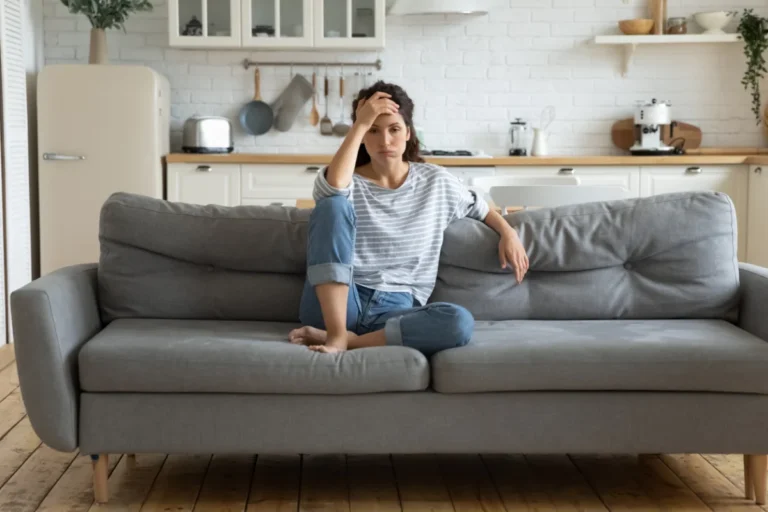








Anxiety is an inseparable facet of the human experience. In our modern, high-pressure society, the term is frequently diluted, used interchangeably with the standard stresses of daily life—financial instability, professional insecurity, the intricacies of parenting, or looming health concerns. While these preoccupations are universal, they do not necessarily constitute a clinical disorder.
Clinical anxiety disorders, by contrast, are characterized by persistent, excessive fear and apprehension that significantly disrupt an individual’s functional well-being. Whether manifesting in the classroom for a child or in the professional and interpersonal spheres for an adult, these disorders exert a profound toll on physical, emotional, and behavioral health. As researchers delve deeper into the origins of these conditions, a critical question has emerged for families: To what extent are we passing our anxieties down to our children, and can this cycle be interrupted?
The Roots of Anxiety: Nature and Nurture
The etiology of anxiety is complex, sitting at the intersection of biological predisposition and environmental conditioning. For decades, clinicians have observed that anxiety tends to run in families, prompting parents to ask a haunting question: "Am I responsible for my child’s anxiety?"
The Genetic Component
Scientific consensus confirms that genetics play a significant role. Genetic studies have consistently identified heritability rates for anxiety disorders ranging from 30% to 67%. If a child has a first-degree relative—a parent or sibling—who has been diagnosed with an anxiety disorder, the statistical likelihood of that child experiencing similar symptoms throughout their lifetime increases significantly. However, genetics is not a deterministic prison. It provides a baseline of sensitivity, but it does not dictate a child’s ultimate mental health trajectory.
The Environmental Catalyst
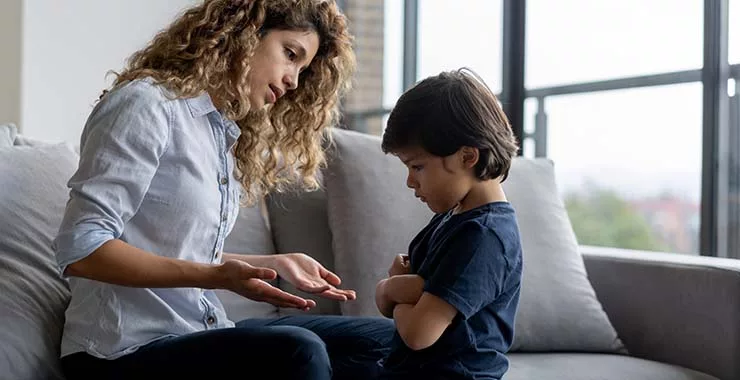
The more nuanced element of the equation is the "contagion" of anxiety. A landmark study published in the American Journal of Psychiatry, which tracked 900 families with twin parents, sought to decouple the genetic influence from the environmental one. The results were stark: anxiety is frequently transmitted from parent to child through the home environment, independent of hereditary factors. The research underscores that anxiety traits are often learned behaviors. Moreover, the dynamic is bidirectional; while a parent’s anxiety can trigger symptoms in a child, a child’s escalating distress can, in turn, heighten a parent’s own anxious state, creating a feedback loop that requires intentional intervention to dismantle.
Anxious Talk: The Unintended Lessons
Children are remarkably perceptive, possessing an uncanny ability to tune into adult conversations exactly when they should be shielded from them. They are, in essence, information sponges who frequently fill in the gaps of adult conversations with their own, often more terrifying, interpretations.
The Peril of "Eavesdropping"
When parents discuss complex, unsettling topics—such as geopolitical crises, systemic violence, or financial instability—within earshot of their children, they may inadvertently provide the building blocks for the child’s own fearful narratives. While adults require support systems to process their own worries, the venue and volume of these discussions are critical.
If a child catches snippets of an adult conversation regarding a school shooting or a global tragedy, they lack the cognitive maturity to contextualize the information. They may internalize the threat as imminent and personal, leading to school refusal, sleep disturbances, or hyper-vigilance. Parents must be mindful that their vocalized fears become the blueprint for their children’s worldview.
The Architecture of Avoidance
Avoidance is the primary defense mechanism of the anxious brain. When we encounter a fear, our survival instinct dictates that we retreat. This behavior is often rationalized through past trauma: if a dog bit you as a child, you naturally perceive all dogs as unpredictable threats.
Modeling Fearful Patterns
While this reaction is psychologically understandable, it is a dangerous pattern to model for children. When a parent avoids a park because of "dangerous" dogs or refuses to attend social gatherings due to "unpredictable" people, they are implicitly teaching their children that the world is a hostile, uncontrollable place.
To break this cycle, parents must move toward "exposure" with the help of a trusted co-parent or friend. By delegating the interaction—such as having a partner introduce the child to a calm animal at an adoption event—the parent ensures the child learns that the world is safe, even if the parent’s own nervous system still registers a threat.
The Trap of Protective Behaviors
In an era of intensive parenting, the impulse to shield children from all possible discomfort is strong. However, psychologists warn that excessive protection—often dubbed "helicopter parenting"—is a significant driver of childhood anxiety.
The Cost of Overprotection
When a parent constantly warns a child to "stop" or "be careful" while they are climbing, jumping, or exploring, they are sending a singular, powerful message: The world is dangerous, and you are not capable of managing the risks.
Calculated risk-taking is essential for child development. Children need to experience minor stumbles and falls to calibrate their internal sense of capability. By preventing these experiences, parents inadvertently foster a risk-averse mindset, leaving the child with no sense of self-efficacy when they finally encounter life’s inevitable obstacles.
Strategic Mitigation: Breaking the Transmission
Parents have the power to proactively reduce their children’s anxiety by adjusting their own reactions and demonstrating resilient coping strategies. The following steps provide a framework for creating a lower-anxiety environment.
1. Identifying the "Anxiety Audit"
To stop the transmission of anxiety, parents must first understand their own. It is highly beneficial to keep a journal of triggers. By documenting the time, location, and thoughts preceding an anxious episode, parents can identify patterns. Is it a specific person? A particular type of work pressure? A sensory-overloaded environment? Once a trigger is identified, it loses some of its power, allowing the parent to approach it with logic rather than raw emotion.
2. Encouraging Positive Challenges
Rather than removing obstacles, parents should facilitate the child’s ability to navigate them. If a parent suffers from social anxiety but wants their child to thrive in group settings, the solution is not to avoid the party, but to outsource the supervision. Allow the child to attend the event with a friend or another caregiver. By facilitating these adventures while stepping back from their own discomfort, the parent provides the child with the tools for independence.
3. Transparent Coping Skills
Growing up is inherently difficult, and life is rarely devoid of stress. The goal is not to hide stress from children, but to show them how to handle it. When a parent narrates their own process—"I am feeling a bit overwhelmed by this traffic, so I am going to take a few deep breaths and listen to some music to stay calm"—they are providing the child with a masterclass in emotional regulation.
Conclusion: Empowering the Next Generation
Anxiety is not a character flaw; it is a human response to an increasingly complex world. However, when it remains unmanaged, it creates a generational ripple effect that impacts academics, professional performance, and the quality of human relationships.
By taking accountability for our own triggers, moderating our communication around children, and allowing them the space to encounter—and overcome—calculated risks, we do more than just manage our own symptoms. We provide our children with a foundation of resilience. We teach them that while anxiety may be a part of the journey, it does not have to be the pilot of the ship. Through awareness and intentional action, we can break the cycle of anxiety, ensuring that the next generation approaches the world not with fear, but with the confidence to navigate the challenges that define personal growth.