









In a landmark study published in the journal Cell, a multidisciplinary team of researchers from the Keck School of Medicine of USC, in collaboration with experts at Stanford University, has unveiled a revolutionary platform for cellular immunotherapy. By successfully expanding and genetically engineering granulocyte-monocyte progenitors (GMPs), the researchers have opened a new frontier in the treatment of cancer, infectious diseases, and inherited immune disorders.
This breakthrough addresses one of the most persistent hurdles in modern medicine: how to create a reliable, scalable, and potent supply of immune cells capable of penetrating solid tumors and orchestrating a systemic immune response.
The Core Innovation: Redefining Stem Cell Potential
For decades, the prevailing dogma in hematology held that the capacity for long-term self-renewal—the ability to divide repeatedly without losing one’s identity or specialized function—was the exclusive domain of hematopoietic stem cells (HSCs). Progenitor cells, which sit further down the developmental hierarchy, were generally viewed as transient, finite cells destined to mature quickly and perish.
The USC research team, led by corresponding author Qi-Long Ying, MD, PhD, has effectively shattered this paradigm. Through the use of a sophisticated, chemically defined "cocktail," the researchers were able to arrest the maturation process of GMPs, forcing them into a state of indefinite self-renewal.
"The prevailing view has been that long-term self-renewal in the blood system is primarily a property of the hematopoietic stem cells," Dr. Ying explained. "We found that, under the right conditions, GMPs can also self-renew, dividing extensively while keeping their identity and ability to produce functional immune cells. That gives us a scalable starting point for engineering cell therapies for cancer, infectious disease, and potentially many other conditions."
Chronology of the Discovery
The development of the GMP platform was not an overnight success but the result of rigorous experimentation and inter-institutional validation.
Phase 1: Identifying the Developmental Bottleneck
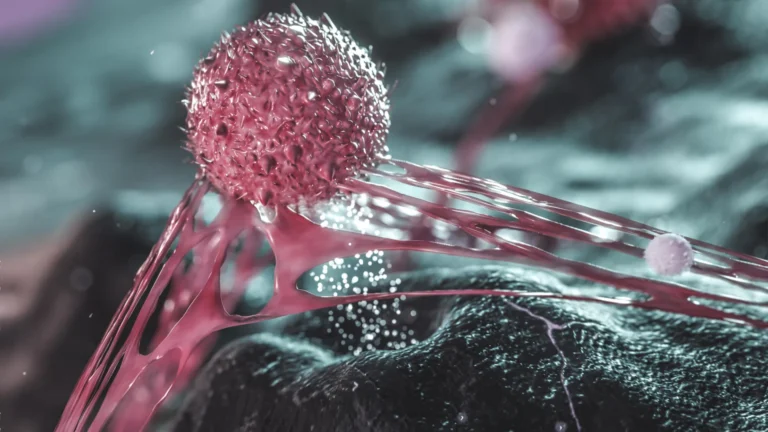
The journey began with the realization that while T-cell therapies (such as CAR-T) have transformed the treatment of blood-borne cancers, they have struggled to gain traction against solid tumors. Macrophages—the immune system’s "big eaters"—naturally infiltrate tumors, yet they are notoriously difficult to work with. They are fragile, resistant to genetic modification, and difficult to manufacture in large, consistent batches.
Phase 2: Mastering the Chemical Cocktail
First author Shi Yue, MD, and his colleagues in the Ying Lab at USC began exploring earlier developmental stages. By focusing on GMPs, they sought a precursor cell that could be controlled. Through trial and error, the team identified specific chemical signals that could "lock" these cells in their progenitor state, preventing them from maturing prematurely while allowing them to divide continuously.
Phase 3: Independent Validation
Recognizing the magnitude of their findings, the USC team sought external verification. The laboratory of Ravi Majeti, MD, PhD, at Stanford University, independently reproduced the study’s protocols. By successfully maintaining and engineering GMPs, the Stanford team confirmed the platform’s reliability and its potential for clinical translation.
Supporting Data: Engineering the "Off-the-Shelf" Immune Warrior
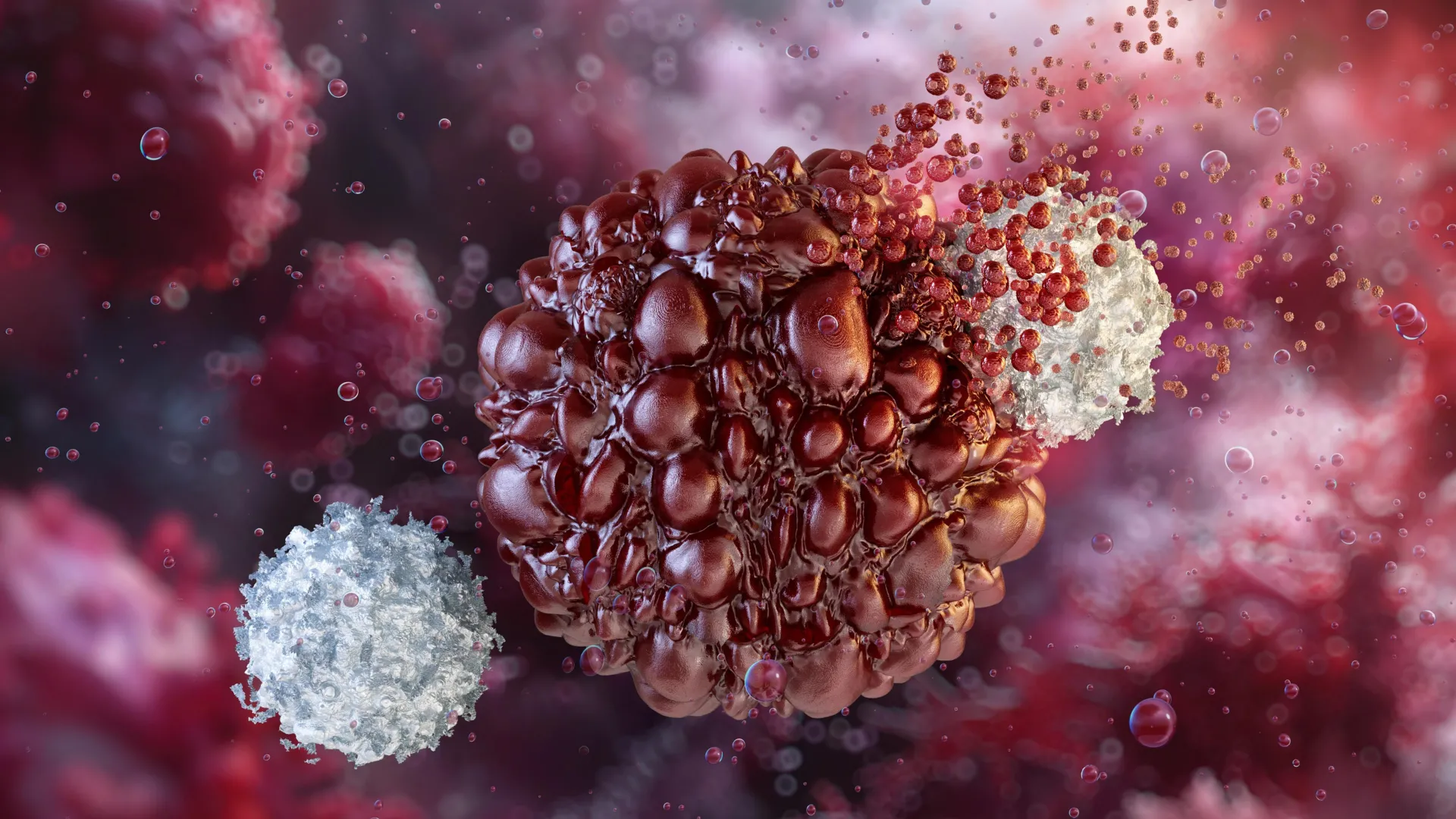
The researchers did not merely keep these cells alive; they transformed them into sophisticated biological machines. By equipping GMPs with chimeric antigen receptors (CARs), the team enabled the cells to home in on specific markers expressed by cancer cells.
The "Double-Hit" Strategy
Beyond targeting, the researchers added a secondary signal to the engineered GMPs. This signal serves as an "immune booster," designed to activate neighboring immune cells, including T cells. This creates a synergistic effect where the GMPs not only attack the tumor directly but also rally the rest of the patient’s immune system to the fight.
Key Performance Metrics
- Scalability: The GMPs can be expanded indefinitely in the laboratory, solving the "supply" problem that plagues current macrophage therapies.
- Stability: Unlike mature macrophages, which tend to accumulate in the liver and lungs, engineered GMPs successfully settled into the bone marrow and blood-forming tissues in animal models.
- Persistence: By residing in the bone marrow, the GMPs acted as a "factory," continuously producing fresh, engineered macrophages, thereby overcoming the rapid cell death observed in previous clinical trials.
- Off-the-Shelf Potential: Crucially, the researchers observed that these engineered signals remained effective even when donor and recipient cells were immunologically mismatched. This suggests that the platform could eventually lead to "off-the-shelf" treatments, significantly reducing the time and cost associated with patient-specific, personalized therapies.
Official Responses and Expert Commentary
The medical community has received the findings with significant enthusiasm. Dr. Ravi Majeti, Director of the Institute for Stem Cell Biology and Regenerative Medicine at Stanford, emphasized the translational impact of the discovery.
"This method for the expansion and engineering of GMPs opens the door to numerous translational applications, much like T cell expansion and engineering," Majeti stated. "We have already demonstrated engineering of these cells to drive multiple potent functions, and there is a lot more to be explored."
Dr. Qi-Long Ying noted that the broader implications extend well beyond current oncological approaches. "Our study suggests that the future of immunotherapy may depend not only on designing better CAR receptors, but also on choosing the right developmental stage of the cell," he said. By targeting the progenitor stage, researchers gain a level of control that was previously thought to be impossible.
Implications: A New Era for Oncology and Beyond
The implications of the USC-Stanford study are far-reaching. While cancer immunotherapy is the most immediate focus, the technology has already shown promise in other areas.
Treating Solid Tumors
Solid tumors, which are often encased in a dense, immunosuppressive microenvironment, have remained the "holy grail" for immunotherapy. Because macrophages are adept at navigating these hostile environments, the ability to generate a constant, engineered supply of them could be the key to breaking through tumor defenses.
Addressing Immune Deficiencies
The versatility of the GMP platform was further demonstrated in experiments involving mice with chronic granulomatous disease, an inherited disorder that prevents the body from fighting bacterial infections. The GMP treatment successfully restored the immune function of these subjects, hinting that this platform could become a cornerstone for treating a wide array of genetic immune deficiencies.
Economic and Logistical Impact
Current CAR-T therapies are expensive, time-consuming to manufacture, and often require intensive, personalized preparation. If GMPs can be manufactured in large batches and used across different patients—as suggested by the lack of rejection in mismatched models—the cost of immunotherapy could drop dramatically, making these life-saving treatments accessible to a much broader population.
Future Directions and Conclusion
As the team moves toward potential clinical trials, the next phase of research will likely involve fine-tuning the genetic modifications and ensuring long-term safety in humans. The study, titled "Expansion and CAR engineering of granulocyte-monocyte progenitors for cellular immunotherapy," serves as a blueprint for the next generation of regenerative medicine.
The research team, which includes a vast network of experts from USC, Stanford, Creighton University, Harvard Medical School, and the Dana-Farber Cancer Institute, represents a collaborative effort to bridge the gap between stem cell biology and clinical oncology.
While much work remains, the successful expansion and engineering of GMPs mark a pivotal shift in how we approach the immune system. By harnessing the self-renewing power of progenitor cells, scientists are no longer just fighting disease; they are building a biological infrastructure capable of defending the human body from within. As this technology matures, it promises to turn the tide in the battle against some of the most challenging diseases of our time.