











For many women in their late 40s and early 50s, the experience of "brain fog" feels less like a minor inconvenience and more like an existential crisis. It is a sensation of living behind a veil—a mental sludge that makes word retrieval, focus, and basic cognitive tasks feel like wading through deep water. For years, these symptoms were dismissed as stress, burnout, or generalized depression. However, a growing body of clinical research suggests that for millions of women, these struggles are not psychological—they are physiological markers of the menopausal transition.
The Anatomy of the Fog: A Personal Perspective
The struggle often begins subtly. A name for a familiar restaurant slips away; a simple work document becomes an impenetrable wall. The transition is not merely about physical discomfort; it is about a loss of bandwidth. One woman’s journey, which led her through a labyrinth of misdiagnoses—ranging from clinical depression to exhaustion—mirrors the experience of countless others.
After two years of visiting various healthcare professionals, being prescribed ineffective antidepressants, and struggling with sleep aids that left her feeling like a "zombie," a routine gynecological exam finally provided the missing link. When she mentioned vaginal dryness, her physician pivoted to a broader inquiry: sleep quality, mood fluctuations, and the dreaded "brain fog." Within days of starting hormone therapy, the fog lifted. She could think, work, and sleep again. Her experience highlights a systemic failure in how the medical community approaches the menopausal transition.
Chronology of a Life Stage: From Transition to Post-Menopause
Menopause is not a disease; it is a life stage. Defined as the point 12 months after a woman’s final menstrual period, it is the conclusion of a transitional period known as perimenopause. During this time, the body’s endocrine system undergoes a profound shift. Estrogen and progesterone levels fluctuate and eventually decline, triggering a cascade of systemic changes.
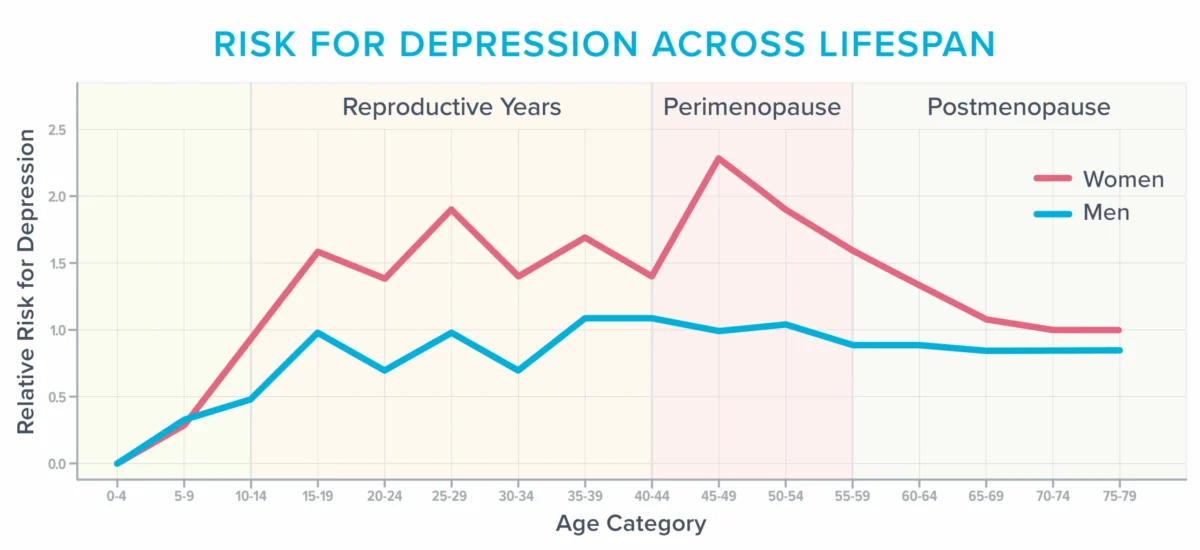
While popular discourse focuses heavily on weight gain and changes in libido, the cognitive and emotional toll is significant. Roughly 40 percent of women report increased irritability, anxiety, and profound fatigue during this transition. This period represents a unique vulnerability in a woman’s life, where the risk of depression spikes—particularly for those with a history of mental health challenges.
Supporting Data: The Biological Underpinnings
Why does the brain struggle during menopause? While external life stressors—caring for aging parents, managing high-pressure careers, and navigating the "empty nest"—certainly drain cognitive capacity, there is a clear physiological driver: the vasomotor symptom (VMS), commonly known as the hot flash.
The Vasomotor Connection
Vasomotor symptoms are not just flashes of heat; they are systemic events. During a hot flash, norepinephrine and cortisol levels surge. Blood vessels dilate, heart rates increase, and blood pressure fluctuates. Researchers now believe these events are tied to the hypothalamus, the brain’s internal thermostat, which becomes dysregulated as estrogen levels wane.

Recent studies have illuminated the physical impact of these symptoms on the brain:
- White Matter Intensities: MRI scans of women experiencing frequent hot flashes have revealed an abundance of "white matter intensities"—patchy areas in the brain. Once thought to be a sign of standard aging, these lesions are now considered predictive of future cognitive decline, including higher risks for dementia and stroke.
- Vascular Health: Research indicates that frequent hot flashes correlate with unhealthy changes in blood vessels, reducing their ability to dilate and properly supply the brain with oxygenated blood.
- The Sleep-Memory Nexus: Night sweats often go unnoticed by the sleeper, who wakes up feeling "rested" but exhausted. These micro-awakenings disrupt the brain’s ability to consolidate memories and clear metabolic waste. This sleep fragmentation impairs the hippocampus—essential for learning—and makes the amygdala, the brain’s emotion center, hypersensitive. This explains why many women feel "on edge" or easily enraged during this phase of life.
Official Responses and the "Defensive Medicine" Trap
Despite these findings, many women struggle to receive adequate care. The diagnostic process is frequently flawed. Standard screening tools, such as the PHQ-9 depression scale, include questions about fatigue, sleep, and concentration—symptoms that are inherent to the menopausal transition. Consequently, many women are incorrectly diagnosed with clinical depression.
Furthermore, medical training is surprisingly sparse regarding menopause. Surveys reveal that 80 percent of medical residents feel "barely comfortable" discussing the topic. This knowledge gap, combined with a fear of litigation—a practice known as "defensive medicine"—has led many clinicians to shy away from prescribing Menopausal Hormone Therapy (MHT).
Reassessing the Risks of Hormone Therapy
The hesitancy to prescribe hormones is often rooted in outdated data from decades ago. Modern research indicates that for women under 60 who are within 10 years of the onset of menopause, the benefits of MHT—including improved cognitive function, bone density protection, and reduced risk of Alzheimer’s—far outweigh the risks. Experts like Dr. Jerrold H. Weinberg emphasize that a "shared decision-making" approach, where patient and doctor weigh the benefits against individual risk factors, is the gold standard for modern care.
Implications for Wellness: A Strategic Approach
For women navigating this transition, proactive advocacy and lifestyle adjustments are essential.
Advocacy and Clinical Care
- Seek Specialized Care: Look for practitioners certified by the Menopause Society or those who explicitly list menopause as a core area of focus.
- Data-Driven Documentation: Track symptoms meticulously. Note the frequency of hot flashes, the number of nightly awakenings, and the specific times of day when "brain fog" is most severe. This data allows for a more effective, personalized treatment plan.
- Engage in Shared Decision-Making: Ask direct questions about the risks and benefits of hormone therapy compared to alternative treatments like antidepressants.
Lifestyle Strategies for Cognitive Clarity
- Fundamental Health: Nutrition, physical activity, and social connectivity remain the bedrock of health. Prioritize whole, minimally processed foods that support vascular health, such as those found in the Mediterranean or MIND diets.
- Creatine Supplementation: Research suggests that 5 to 7 grams of creatine monohydrate daily can assist in mitigating mental fatigue and supporting brain function during periods of sleep deprivation.
- Light Exposure: Morning sunlight exposure is a potent regulator of the circadian rhythm, improving sleep quality and daytime alertness.
- Modify Exercise Intensity: While movement is vital, middle age requires a shift in recovery expectations. Balancing high-intensity sessions with "Zone 2" cardio and restorative yoga can prevent systemic burnout.
- Stress Management: Utilize tools like the "Wheel of Stress" to identify and downsize non-essential responsibilities. Learning to say "no" is not just a boundary-setting exercise; it is a neurological necessity for those with limited bandwidth.
- Cooling Technology: Invest in environmental controls, such as cooling mattress pads or fans, to minimize the impact of night sweats.
Conclusion: Reframing the Transition
The menopausal transition is undeniably challenging, but it also presents a profound, albeit forced, opportunity for self-reflection. By questioning the necessity of "doing it all," many women find that they can reclaim their cognitive health and prioritize what truly matters. Whether through medical intervention, lifestyle modification, or a combination of both, the goal is to emerge from the fog with a clearer sense of direction.
Menopause is not the end of a woman’s peak performance; it is a biological recalibration. With the right support and a data-backed approach, the "garbage" under which one’s thoughts were buried can be cleared away, revealing a new, intentional chapter of life.