








As we navigate the sixth decade of life, the skin around our knees often undergoes structural changes, becoming thinner, less elastic, and—in common parlance—"crepey." While the cosmetic concern is often the catalyst for frustration, fitness experts and physical therapists emphasize that the solution lies far deeper than topical creams. To restore a firmer, more resilient appearance to the knee area, one must look toward the musculature of the thigh, hip, and lower leg.
The journey toward firmer knees is not about aggressive gym-based hypertrophy; it is about precision, stability, and consistent activation. By utilizing the supportive surface of your own bed, you can engage in targeted, low-impact movements that build the muscle tone required to support the joint and create a more sculpted, youthful aesthetic for the lower body.
The Physiology of the Knee: Why Strength Matters
The knee is a complex "crossing point" in the kinetic chain. It relies heavily on the surrounding muscle groups—the quadriceps, hamstrings, and hip stabilizers—to maintain its shape and function. Over time, when these muscles atrophy, the tissue surrounding the knee loses its underlying structural foundation, leading to a softer, less defined appearance.
"Exercise won’t erase skin texture overnight," explains Jarrod Nobbe, MA, CSCS, a renowned sports performance coach. "However, it can significantly improve the muscle tone underneath that skin, providing a better, more supported silhouette."
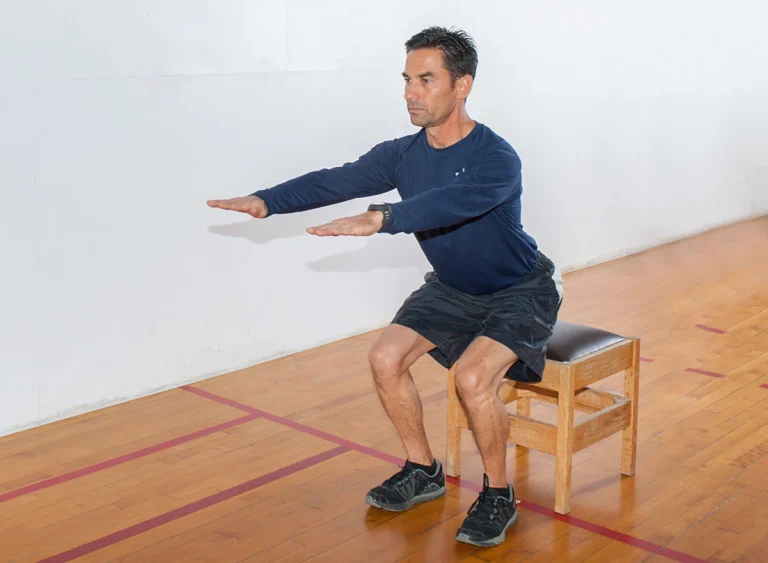
When you strengthen the quadriceps (the front of the thigh) and the hamstrings (the back of the thigh), you essentially "tighten" the surrounding soft tissue. This creates a scaffolding effect, pulling the skin taut over a firm, toned muscle base. The following routine is designed to foster this connection without the need for heavy gym equipment, making it an accessible, sustainable practice for those over 60.
Core Principles of the Bed-Based Routine
Before beginning any physical regimen, it is vital to understand the "why" behind the movement. The detail that differentiates a casual stretch from an effective strengthening session is the ability to create internal tension without full-body bracing.
- Controlled Tension: Avoid aggressive, jerky movements. The goal is a steady, focused contraction.
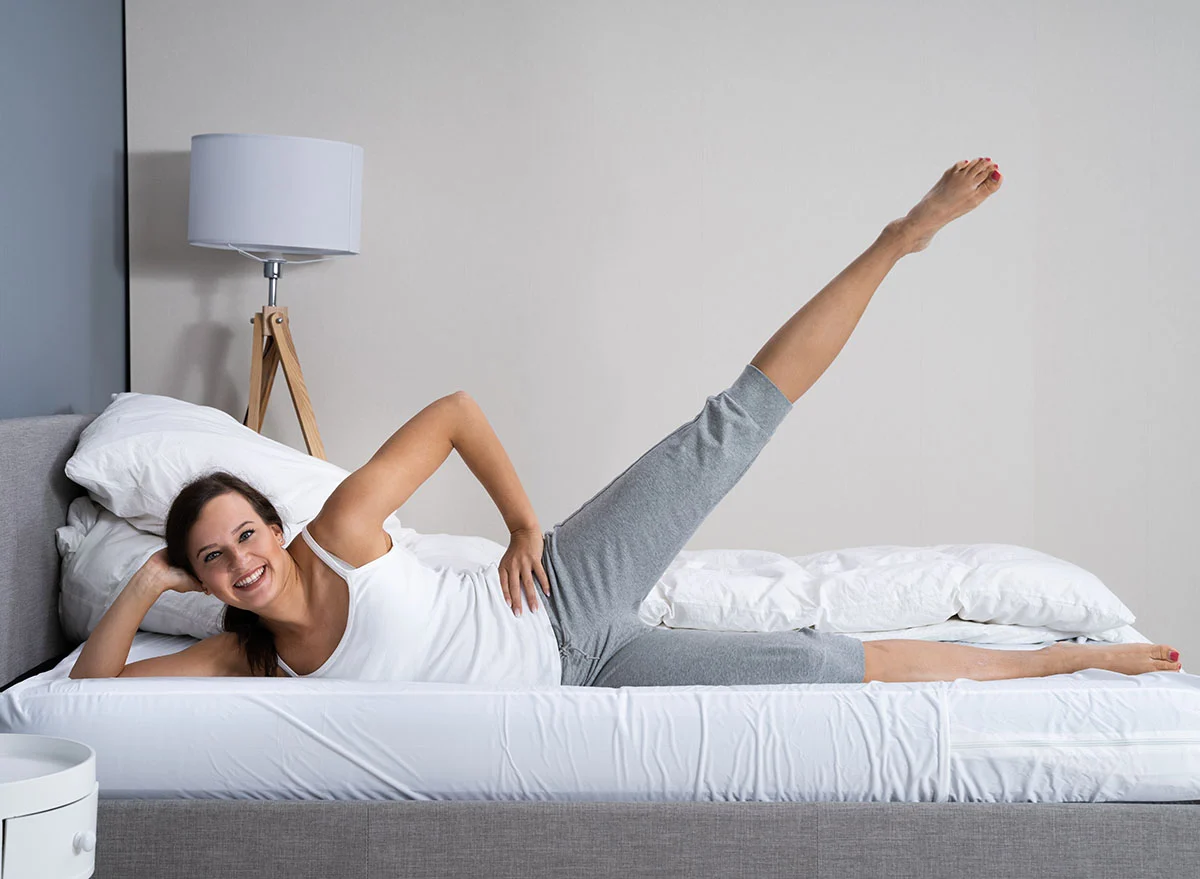
- The Power of the Bed: A firm mattress offers a unique advantage: it provides a stable, cushioned surface that allows you to isolate specific muscles while removing the balance requirements of standing.
- The "Slow and Steady" Rule: By performing reps slowly, you increase the "time under tension," which is essential for muscular recruitment in the over-60 demographic.
Aim to perform this routine two to four times per week. As you progress, you will find that the muscles around the knee feel more engaged during daily activities like walking, climbing stairs, or rising from a chair.
The Four Pillars of Knee Strengthening
1. Quad Set With Heel Press
The "Quad Set" is the foundational movement for knee health. It teaches your quadriceps to engage with intention, which is the first step in stabilizing the knee joint.
- How to Do It: Lie flat on your back with legs extended. Place a small, rolled-up towel beneath your knee. Gently press the back of your knee into the towel while simultaneously flexing your foot and driving your heel into the bed. Hold this contraction for five seconds, ensuring the thigh muscle feels tight and firm. Relax and repeat.
- The Benefit: This wakes up the quadriceps and creates a direct neurological link to the muscle group most responsible for knee support.
2. Straight-Leg Raise
Once the quads are "awake," the straight-leg raise introduces a dynamic load that forces the hip flexors and quads to work in tandem.

- How to Do It: Lie on your back with one knee bent and the foot flat on the bed. Keep the opposite leg perfectly straight, tightening the quad. Slowly lift the straight leg to the height of the opposite knee, pause for a second, and lower it with control. Do not allow the leg to "drop" onto the bed.
- The Benefit: This movement builds stability in the patella (kneecap) and creates a firmer look through the front of the thigh.
3. Short-Arc Quad Extension
This is a high-reward, low-effort exercise that isolates the muscles just above the knee, which are often the first to lose definition.
- How to Do It: Place a firm pillow or a bolster under your knee while lying on your back. With the knee resting on the pillow, lift your foot upward until the leg is fully straight. Squeeze the quad at the top of the movement for three seconds, then lower slowly.
- The Benefit: By limiting the range of motion to a "short arc," you minimize joint stress while maximizing the focus on the teardrop-shaped muscle (vastus medialis) that supports the knee.
4. Hamstring Heel Dig Bridge
To achieve a balanced look, you must train the back of the leg as well as the front. The hamstring bridge is essential for posterior chain strength.
- How to Do It: Lie on your back with knees bent and feet flat on the bed. Dig your heels into the mattress and lift your hips toward the ceiling. Focus on squeezing your glutes and hamstrings at the top. Keep your back neutral—avoid arching your spine.
- The Benefit: Strengthening the hamstrings helps stabilize the knee from the rear, ensuring the entire limb is balanced and firm.
Chronology of Progress
For those wondering how to integrate this into a lifestyle, consistency is the primary driver of change.
- Weeks 1–2 (The Activation Phase): Focus purely on form. You may not see aesthetic changes yet, but you will notice your legs feel more "connected" and less prone to fatigue during daily walks.
- Weeks 3–6 (The Strengthening Phase): Increase the duration of your holds. If you were holding for three seconds, move to five or six. This forces the muscles to adapt to the workload.
- Weeks 8 and beyond (The Maintenance Phase): At this point, the muscle tone should be significantly improved. You can continue the routine as a morning ritual to keep the joints lubricated and the muscles engaged.
Supporting Data and Medical Implications
The medical community generally supports the use of low-impact, resistance-based exercises for older adults. According to various orthopedic studies, maintaining quadriceps strength is the single most effective way to prevent knee osteoarthritis and reduce joint pain.
Furthermore, research indicates that resistance training in adults over 60 improves neuromuscular junction integrity. In plain terms, your brain gets better at telling your leg muscles to "fire," which prevents the "softening" that occurs with age-related muscle loss (sarcopenia). By prioritizing these exercises, you are not just improving the skin’s appearance; you are protecting your long-term mobility.
Official Perspectives: The Professional View
Jarrod Nobbe notes that the "crepey" look is often exacerbated by a lack of muscle volume and subcutaneous hydration. While exercise is the primary tool for the former, he recommends combining this with proper hydration and a nutrient-dense diet to support skin health.
"The goal," Nobbe emphasizes, "is not to look like a bodybuilder. The goal is to feel powerful in your own skin. When the muscle beneath the skin is firm and active, the skin naturally loses that loose, crinkled appearance. It’s a holistic result of a targeted effort."
Implications for Long-Term Health
The implications of this routine extend far beyond the aesthetic. Strengthening the lower body is the most effective way to maintain independence as we age. Stronger knees mean a more confident gait, a reduced risk of falls, and a higher capacity for physical activity.
When you invest time into these four simple bed moves, you are doing more than just addressing the appearance of your knees. You are strengthening your foundation, ensuring that your legs remain as capable and resilient as they were decades ago. As the saying goes: "Stronger muscles support better movement, and better movement supports a better life."