











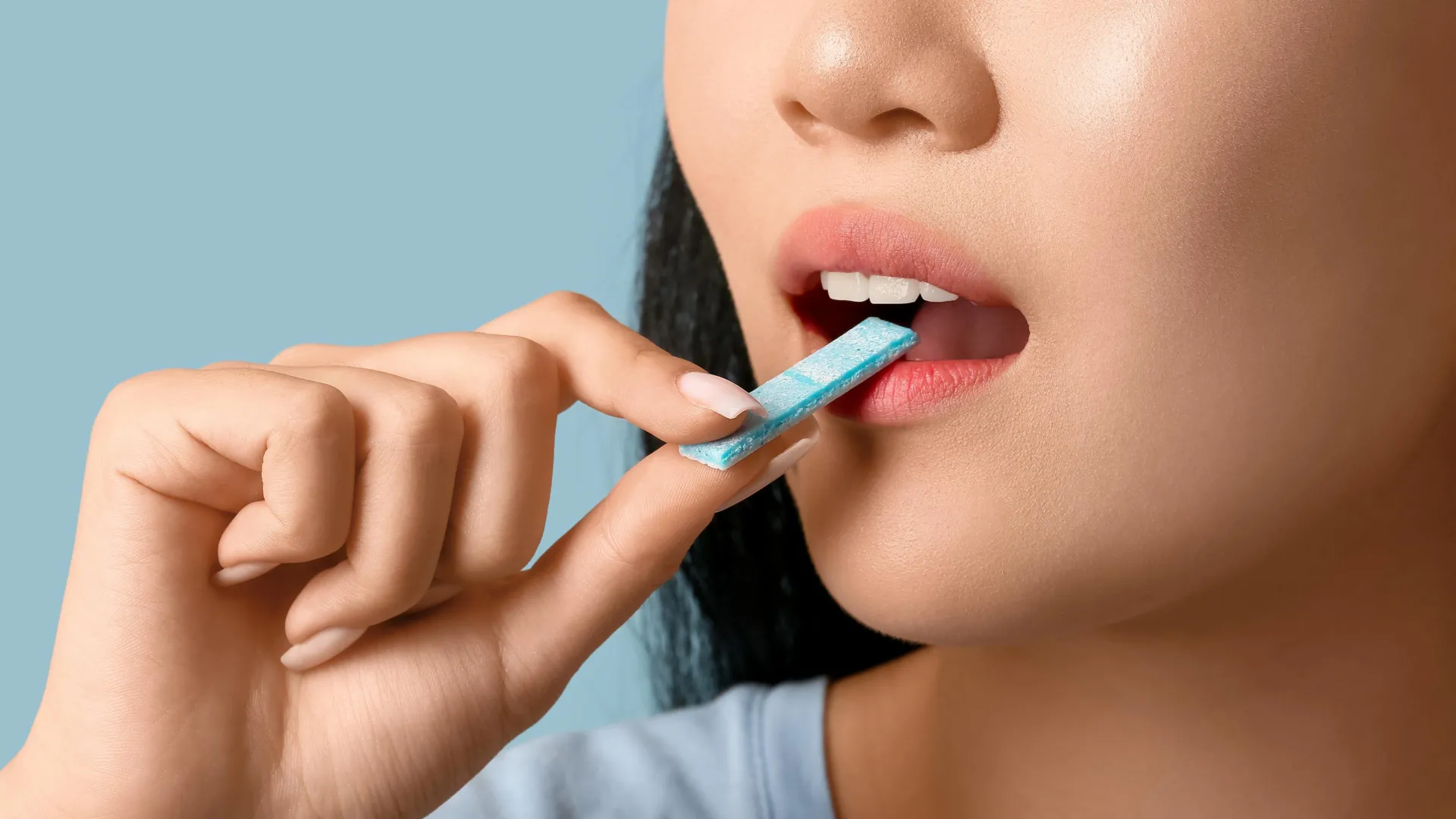
In a counterintuitive scientific discovery that challenges conventional wisdom regarding dietary sugar, researchers at King’s College London have identified a surprising physiological interaction: chewing sugar-containing gum after consuming nitrate-rich vegetables may temporarily lower blood pressure. While sugar is typically associated with negative cardiometabolic outcomes, this study highlights a nuanced chemical process in the oral microbiome that could have significant implications for cardiovascular health and athletic performance.
The Nitrate-Nitrite Pathway: A Biological Balancing Act
To understand the significance of this discovery, one must first understand the journey of dietary nitrate through the human body. Nitrate is a compound that accumulates naturally in various vegetables, including beetroot, spinach, kale, and arugula, as they absorb nitrogen from the soil. However, dietary nitrate is biologically inert in its initial form; it cannot directly influence blood pressure or vascular function.
The conversion process relies entirely on the symbiotic bacteria residing within the human mouth. These oral microbes act as a biological "processing plant," reducing nitrate into nitrite. Once swallowed, this nitrite enters the bloodstream and is converted into nitric oxide—a potent signaling molecule that relaxes and widens blood vessels (vasodilation), thereby improving blood flow and reducing systemic blood pressure.
Despite the well-documented benefits of a nitrate-rich diet, the efficiency of this conversion process has remained a hurdle for researchers. Not all nitrate is successfully converted, leading scientists to investigate environmental factors within the mouth that might inhibit or accelerate the reaction. One primary variable is the pH level of saliva.
Chronology of a Curious Clinical Trial
The research team, led by Dr. Andrew Webb, Clinical Senior Lecturer at King’s College London, initiated a controlled crossover study to test a specific hypothesis: that increasing the acidity of the oral environment might catalyze the conversion of nitrate to nitrite.
The study design was rigorous. Healthy volunteers were tasked with drinking a shot of concentrated beetroot juice—a gold standard for dietary nitrate intake—followed by a period of chewing gum. The trial compared two distinct conditions:
- The Sugary Condition: Participants chewed sugar-containing bubble gum (Hubba Bubba®).
- The Sugar-Free Condition: Participants chewed sugar-free gum (Wrigley’s Extra®).
Over a period of three to six hours, researchers meticulously tracked participants’ vital signs. They collected blood and saliva samples at regular intervals and monitored blood pressure fluctuations. To ensure the robustness of the data, participants returned one week later to repeat the process with the alternative gum type, effectively serving as their own control group.
The findings were immediate and stark. Chewing the sugar-containing gum caused a significant drop in oral pH (increased acidity) by 1.4 points. This chemical shift corresponded with a 45% increase in nitrite levels within the mouth and a 25% increase in circulating nitrite levels in the body. Most importantly, this translated into tangible cardiovascular outcomes: systolic blood pressure fell by nearly 3 mmHg, while diastolic blood pressure decreased by approximately 2 mmHg compared to the sugar-free control.
Supporting Data and Physiological Mechanisms
The mechanism behind this effect lies in the interplay between salivary pH and bacterial enzymatic activity. Dr. Charlotte Mills, co-author of the study from the University of Reading, notes that the mouth serves as the "gatekeeper" of nitrate metabolism.
"The bacteria that live in our mouths play a critical role in converting nitrate from foods such as beetroot into beneficial compounds that help relax blood vessels," Dr. Mills explains. "Our findings suggest that the presence of sugar may create a more favorable, slightly acidic environment for this specific enzymatic process."
The data provides a compelling "proof of concept." While previous research had focused on how alkalinity might inhibit this conversion, the King’s College team is among the first to demonstrate that moderate, targeted acidification can actually boost the body’s ability to utilize plant-derived nutrients.
However, the researchers are quick to qualify the magnitude of these results. A reduction of 3 mmHg in systolic blood pressure is statistically significant in a laboratory setting, yet it is not a substitute for clinical hypertension medication. The blood pressure-lowering effect is transient, lasting only for a few hours as the nitrate is metabolized, and the study emphasizes that the "sugar-as-a-catalyst" model should not be viewed as a long-term strategy for heart health.
Official Responses and Expert Context
The medical community has reacted to the study with a blend of scientific intrigue and professional caution. Dr. Andrew Webb addressed the broader implications of the findings during the study’s release, emphasizing the delicate balance required to interpret these results.
"Whether and how the acidity of the saliva impacts the conversion of inactive nitrate to active nitrite is a fundamental question, as it impacts a range of important physiological functions," Dr. Webb stated. "While we have identified a way to accelerate this conversion, we must be incredibly clear: we are not recommending that people start chewing sugary gum as a primary treatment for high blood pressure."
The risk-benefit ratio is the central point of contention. The well-known detrimental effects of regular sugar consumption—including dental decay, enamel erosion, and metabolic dysregulation—far outweigh the temporary cardiovascular benefits observed in the study.
Dr. Mills reinforces this, stating, "We are certainly not suggesting that people should start chewing sugary gum regularly. Frequent sugar consumption is harmful to dental health and is detrimental to cardiometabolic health when consumed in excess. Instead, our findings provide a proof of concept that we may be able to improve how the body processes dietary nitrate."
Implications: From Culinary Tradition to Athletic Optimization
The researchers suggested that their findings might inadvertently explain certain culinary customs. The tradition of following a meal—which may have included nitrate-rich salads or leafy greens—with a sweet dessert might have a hidden physiological benefit. Whether the dessert is a piece of fruit or a more sugary treat, the presence of sugar in the mouth post-meal may inadvertently assist in the nitrate conversion process, effectively "topping off" the cardiovascular benefits of the meal.
A New Frontier for Sports Nutrition
Perhaps the most promising application of this research lies in the world of elite athletics. Athletes are already known for using beetroot juice to enhance exercise performance, as the increased nitric oxide levels help improve muscle oxygenation and delay fatigue.
If scientists can refine the method of enhancing nitrate conversion without the health risks of sugar, it could provide a significant advantage for endurance athletes. The research team is currently planning a larger, more comprehensive study specifically focused on athletic populations. The goal is to identify "tooth-friendly" and metabolically sound alternatives—perhaps non-cariogenic sweeteners or specific pH-adjusting agents—that can achieve the same acidity-boosting effect as sugary gum without the negative health trade-offs.
Conclusion: The Path Forward
The study, published in the British Journal of Clinical Pharmacology, serves as a reminder of the complexity of the human microbiome. It suggests that our oral environment is a dynamic chemical reactor, capable of being influenced by the simplest of interventions, such as the choice of chewing gum.
As the research team moves forward, the focus will shift from the mechanism of sugar-induced acidification to the development of practical, safe, and effective strategies for optimizing dietary nitrate. By isolating the exact conditions that favor the conversion of nitrate into nitrite, the team hopes to unlock new ways to support heart health and exercise efficiency.
For the average person, the takeaway remains grounded in established health guidelines: prioritize a diet rich in leafy greens, maintain excellent oral hygiene, and be wary of marketing that suggests sugary snacks can serve as health supplements. The science of the mouth is evolving, but the fundamental pillars of health—balance, moderation, and evidence-based nutrition—remain unchanged. The future of this research may lie in a sugar-free, scientifically engineered "activator" that mimics the findings of this study, proving once and for all that we can have our health, and our nitrates, too.