Remember the sensory nostalgia of Earth Day in elementary school? The smell of damp soil, the scratchy texture of a seedling packet, and the collective pride of planting a sapling that might outlive us. For many, these memories are tucked away as childhood milestones—simple, fleeting moments of environmental stewardship. However, as we navigate the complexities of aging, experts are increasingly suggesting that those youthful activities were more than just school projects; they were foundational blueprints for holistic well-being.
As we celebrate Earth Day this April, it is time to reconsider our relationship with the natural world. Far from being a mere pastime for the retired, gardening—particularly within a community setting—has emerged as a potent therapeutic intervention. According to recent research, stepping into the garden may be one of the most effective ways to cultivate resilience, purpose, and physical longevity in our later years.
The Therapeutic Garden: Main Facts and Findings
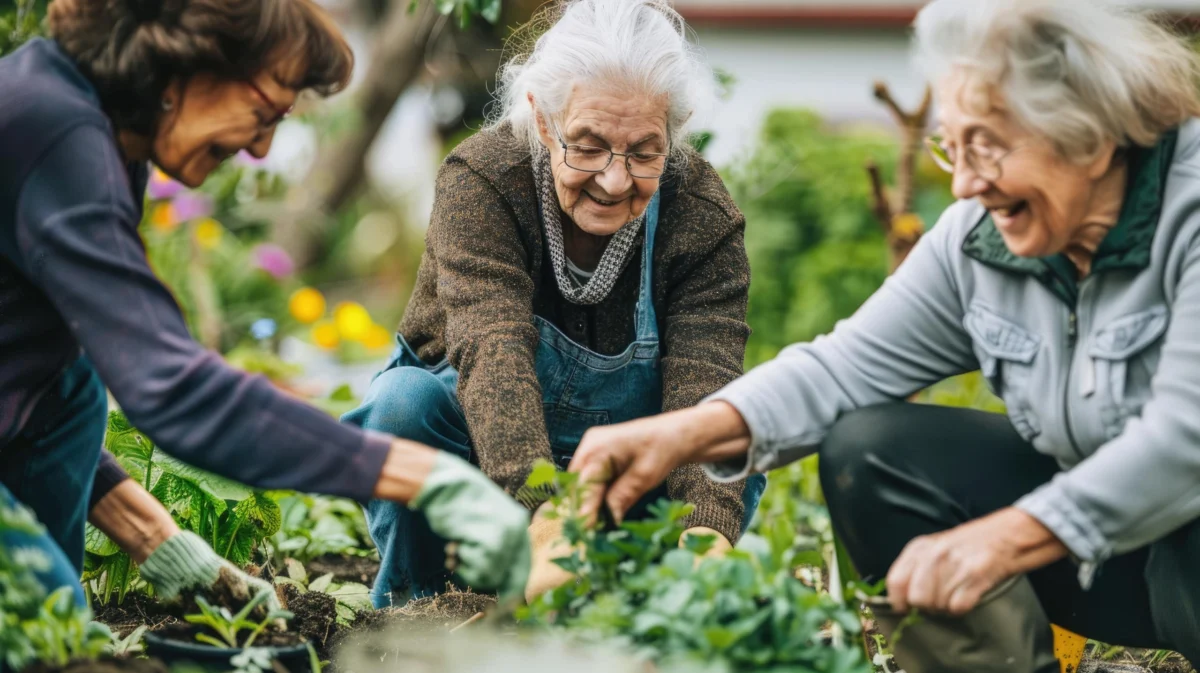
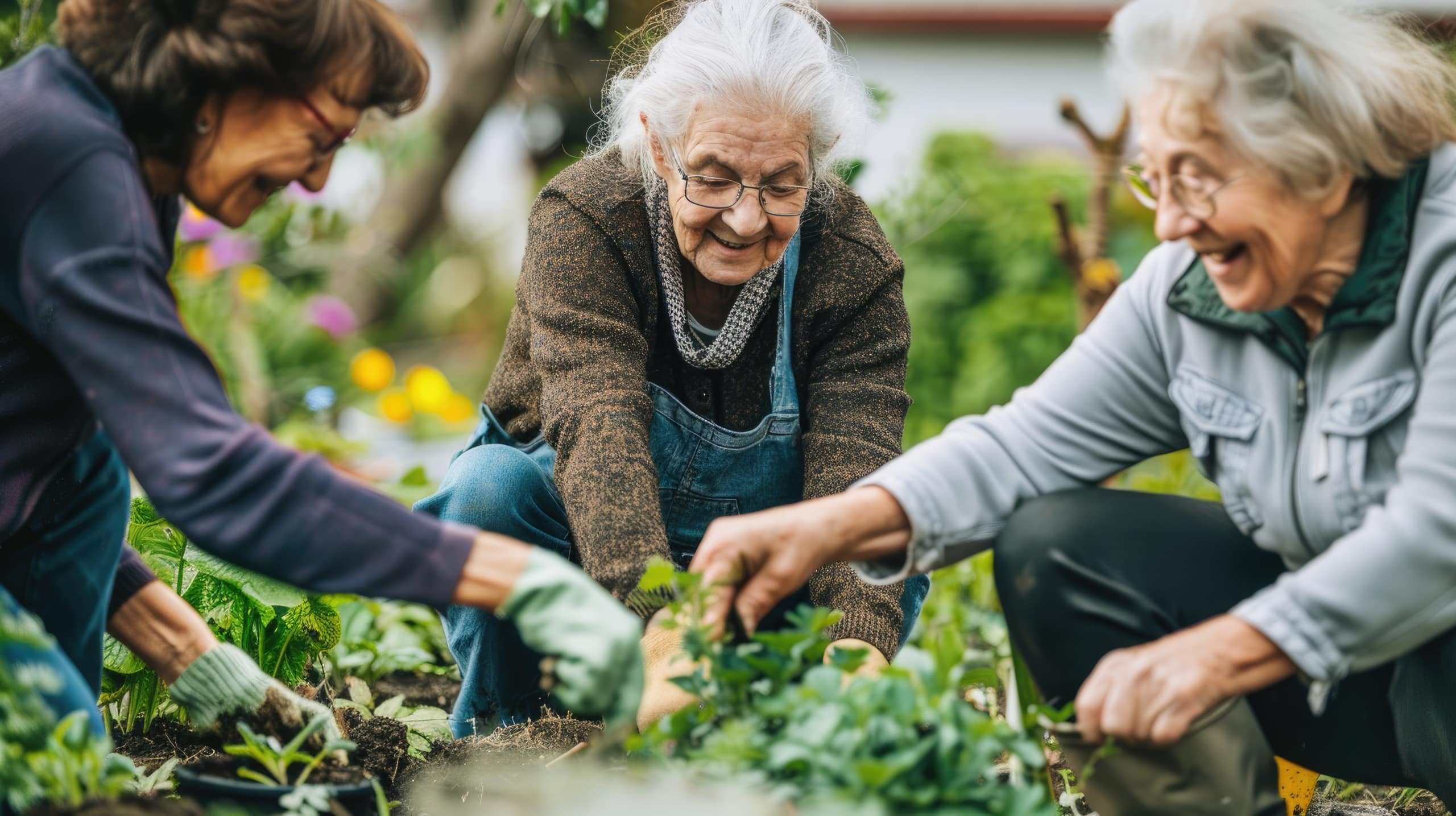
A landmark study published in the American Journal of Occupational Therapy (AJOT) has provided scientific weight to what many green-thumbed seniors have long intuitively known. The research, which utilized a case series analysis of residents in transitional housing, explored the profound impact of a structured, five-week gardening group therapy program.
The results were transformative. The study concluded that gardening provides a vital "avenue for hope and self-fulfillment" for adults in supported living environments. Beyond the physical act of planting, the study identified significant improvements in four key pillars of health: mental well-being, social participation, life satisfaction, and cognitive engagement. For older adults, the garden acts as a "third space"—a location outside of the home and the clinic where identity is reclaimed, and the stagnation often associated with aging is replaced by the dynamic cycle of growth.
A Chronology of Care: The Evolution of Occupational Therapy
To understand why gardening is now being prescribed as a clinical intervention, one must look at the discipline of Occupational Therapy (OT). April serves as Occupational Therapy Month, a dedicated time to recognize the professionals who help individuals across the lifespan participate in the things they want and need to do through the therapeutic use of everyday activities.
The Historical Shift
Historically, OT was often siloed into clinical rehabilitation—helping individuals recover motor skills after injury. However, the profession has evolved into a more holistic paradigm. In the early 20th century, the "Arts and Crafts" movement in healthcare utilized gardening and manual labor to treat veterans returning from war, recognizing that engaging the hands and the spirit was essential for psychological recovery.
The Modern Application
Today, the integration of horticultural therapy into senior living facilities follows a clear progression:
- Initial Assessment: Therapists evaluate the physical and cognitive baseline of the participant.
- The Intervention: A multi-week program is established, focusing on low-impact, high-reward activities like seed starting, container gardening, and herb cultivation.
- Social Integration: The program shifts from individual tasks to community-based collaboration, fostering communication and shared purpose.
- Reflection and Evaluation: Participants measure their progress not just in harvest, but in their subjective sense of hope and self-efficacy.
Supporting Data: Why Nature Heals the Aging Body and Mind
The benefits of gardening extend far beyond the aesthetic appeal of a blooming flower bed. The physiological and psychological data supporting this activity are robust and multifaceted.
1. The Physiological "Sneak Attack"
For many older adults, traditional exercise programs can feel daunting. Gardening, however, offers a form of "incidental exercise." The simple act of gripping a hand trowel, maneuvering potting mix, and maintaining balance while weeding provides a low-impact workout that improves fine motor skills and hand dexterity. These movements are essential for maintaining the grip strength necessary for independent living.
2. The Nutritional Advantage
When community gardens focus on edible crops, the health benefits are direct and measurable. Consuming fresh, preservative-free vegetables and herbs harvested moments before consumption provides a nutrient density that store-bought produce often lacks. This "farm-to-table-to-living-room" cycle supports the immune system and provides a sense of agency over one’s diet, which is frequently compromised in managed-care settings.
3. Cognitive and Mental Health
Nature exposure is a known stress-reliever. It reduces cortisol levels and lowers blood pressure. Furthermore, the intellectual stimulation provided by gardening—learning the light requirements of different species, troubleshooting pest issues, and planning seasonal rotations—acts as a "cognitive reserve," potentially delaying the onset of cognitive decline.
Official Perspectives: The Value of "Occupational" Health
Professional organizations, including the American Occupational Therapy Association (AOTA) and the National Institute on Aging (NIA), have been increasingly vocal about the necessity of outdoor engagement for the elderly.
"Occupational therapy is about finding meaning in the daily rhythm of life," notes one leading practitioner. "When we ask an older adult to garden, we aren’t just asking them to grow plants; we are asking them to participate in the cycle of life. That shift in perspective—from being someone who is ‘cared for’ to being someone who ‘nurtures’—is a fundamental shift in their internal narrative."
The NIA underscores that while outdoor activity is vital, safety must remain a priority. Their guidelines emphasize the importance of appropriate hydration, sun protection, and ergonomic tools that accommodate arthritis or limited mobility. By addressing these safety concerns, health professionals can remove the barriers that keep older adults indoors, effectively opening the door to the therapeutic benefits of the natural world.
Implications for the Future of Senior Living
The implications of these findings are profound for architects, policy-makers, and families of older adults. If gardening is a legitimate health intervention, then outdoor space is no longer a luxury in senior living design—it is a medical necessity.
The Built Environment
Future housing for seniors must prioritize "biophilic design," which seeks to connect building occupants more closely to nature. This includes the installation of raised beds, which eliminate the need for stooping, and the creation of sensory gardens designed to stimulate memory and mood through scent, texture, and color.
Community Integration
The "community" aspect of gardening is perhaps its most vital component. Isolation is a primary driver of depression in older populations. Gardening groups provide a low-pressure social environment where conversation flows naturally around the shared task. Unlike a cocktail hour or a formal class, the garden allows for silence, shared labor, and spontaneous interaction—the hallmarks of true community building.
Policy and Aging
As we face an aging global population, the strain on healthcare systems will continue to mount. Interventions that are low-cost, high-impact, and self-sustaining are the gold standard of public health policy. Gardening programs, which can be implemented with minimal infrastructure, offer a scalable solution that empowers individuals to manage their own health outcomes.
Conclusion: A Call to Action this April
As we observe Earth Day this April 22, let us look past the superficial environmental messaging and recognize the deep, symbiotic relationship between the health of our planet and the health of our people.
If you are an older adult, or if you care for someone who is, consider the garden not as a chore, but as a prescription. You don’t need an acre of land to reap the rewards; a single pot of basil on a windowsill or a shared planter on a balcony can provide the mental and physical engagement necessary to improve your quality of life.
Pull a weed, snip a flower, plant a seed, and breathe. The act of gardening is an act of defiance against the aging process. It is a declaration that even as seasons change, growth is always possible. For those seeking to begin their own journey, the National Institute on Aging provides essential resources on safe outdoor recreation to ensure that your time in the dirt is as safe as it is transformative.
This spring, go outside. Your health—and the Earth—will thank you for it.