









If you have spent any time on social media or listening to health-centric podcasts recently, you have likely encountered the polarizing figure of Bryan Johnson. The tech billionaire, who famously chronicles his quest to "reverse" his aging in the Netflix documentary Don’t Die, has become the poster child for a burgeoning industry: biological age testing. Johnson claims that by spending millions annually on hyper-specialized interventions—ranging from daily supplement stacks and weekly acid peels to controversial plasma infusions—he has successfully shaved over five years off his biological age.
However, Johnson’s claims are not without controversy. A recent New York Times exposé challenged his metrics, suggesting that his biological age had actually increased by a decade. This discrepancy highlights the central tension in the field of longevity science: Are we on the verge of a medical revolution that allows us to reverse the clock, or are we simply paying for expensive, unverified data points that offer the illusion of control?
The Science of the "Internal Clock"
To understand the debate, one must first distinguish between chronological age—the number of candles on your birthday cake—and biological age (or "bio age"). While chronological age is an immutable fact of time, biological age is a measure of cellular function.
Imagine two 50-year-old men. The first lives a sedentary lifestyle in a polluted urban center, survives on processed food, and smokes. The second is an active gardener who prioritizes plant-based nutrition, strength training, and meditation. Even without looking at their genetics, any physician would wager that the second man’s cells are functioning more efficiently. That difference in cellular vitality is what bio age testing attempts to quantify.
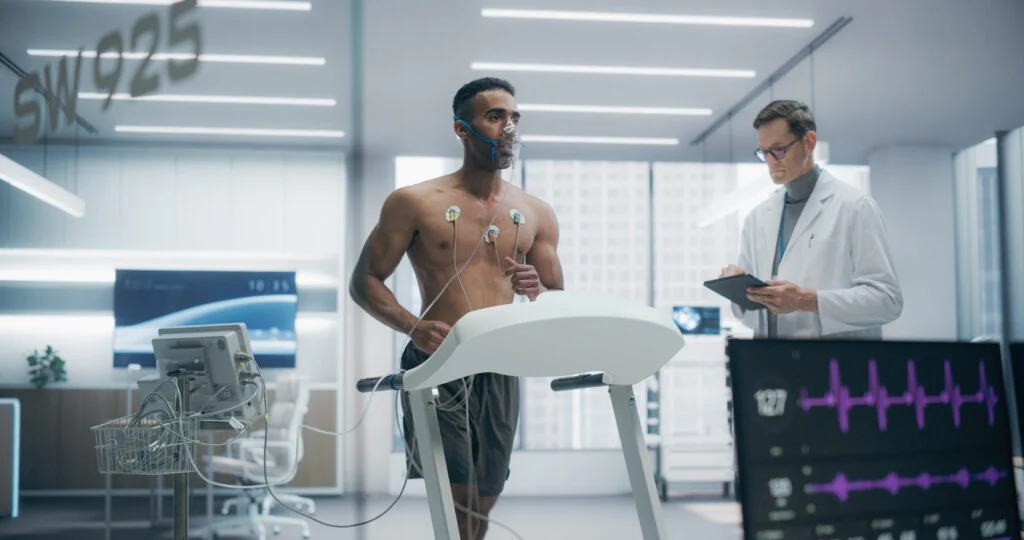
These tests analyze biomarkers—measurable indicators of biological processes. Some focus on telomere length, the protective caps at the ends of our chromosomes that erode as we age. Others examine DNA methylation, a chemical process that alters gene expression and is increasingly recognized as a reliable proxy for the "pace of aging."
A Chronology of the Longevity Boom
The transition of bio age testing from niche laboratory research to a consumer-facing industry has been rapid.
- The Research Phase: For decades, scientists utilized biomarkers like VO2 max, blood pressure, and lipid profiles to study aging in academic settings.
- The Rise of Commercial Kits: Over the last five years, advancements in epigenetic science led to the creation of the "Horvath Clock" and the "DunedinPACE" metrics. These were originally research tools, but savvy entrepreneurs quickly saw a market.
- The Billionaire Effect: The entry of high-profile figures like Bryan Johnson turned curiosity into a crusade. Podcasts hosted by figures like Peter Attia, Joe Rogan, and Andrew Huberman brought these complex concepts to the mainstream, driving demand for mail-order blood and urine test kits.
- The Current Landscape: Today, the market is saturated with ads for affordable, at-home testing kits. As prices drop, the barrier to entry has vanished, leading many to ask: Should you, or your clients, actually be doing this?
Supporting Data: What Can We Really Measure?
While commercial tests promise to tell you how old your body really is, the scientific community remains cautious. The reliability of consumer-grade epigenetic tests is still being scrutinized. A critical point often missed by consumers is that biological age is not uniform; your liver may be aging at a different rate than your heart or brain.
The "Free" Biomarker Toolkit
You do not need to be a billionaire to gain valuable insight into your longevity. Before investing in expensive genetic testing, experts recommend looking at these five "evergreen" indicators of health:
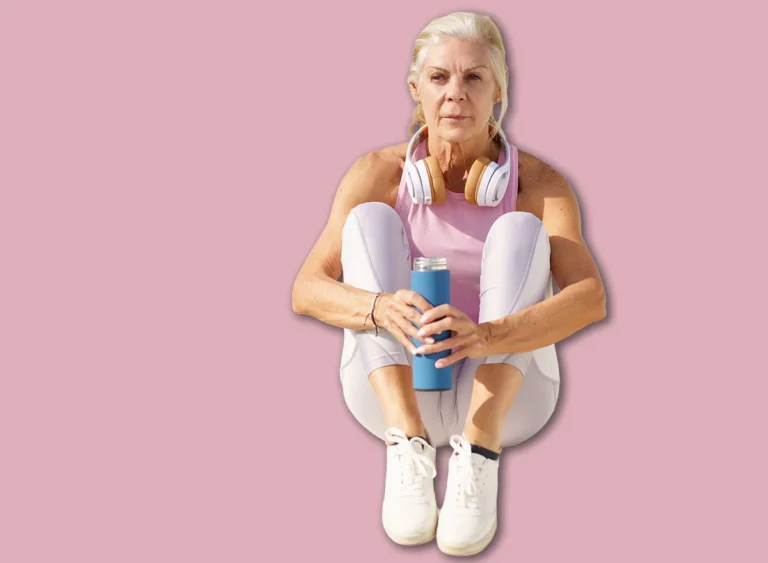
- The Sitting-Rising Test (SRT): This assesses strength, balance, and mobility. The ability to lower yourself to the floor and stand back up without using your hands as leverage is a powerful indicator of long-term survival probability.
- Grip Strength: A simple, validated proxy for total-body muscle mass. Weak grip strength has been shown to be a better predictor of all-cause mortality than blood pressure in some clinical studies.
- Balance (The One-Leg Test): The ability to stand on one foot for 10 seconds or more is linked to a significantly lower risk of falls and injury-related death.
- Fatigability: Using the Pittsburgh Fatigability Scale, individuals can track their level of exhaustion after standard activities. Persistent, unexplained fatigue is often the body’s first signal that a systemic issue is brewing.
- Body Composition: Weight is a poor metric. Using a simple tape measure to monitor waist-to-hip ratios and overall body fat percentage provides a clearer picture of metabolic health than a bathroom scale ever could.
Official Responses and Medical Perspectives
Most medical professionals view commercial bio-age tests as "novelty" rather than "necessity." The clinical gold standard remains the annual wellness checkup, which includes a comprehensive blood panel. Monitoring markers such as ApoB, C-reactive protein (a marker of inflammation), fasting glucose, and Hemoglobin A1C provides actionable data that doctors can actually treat.
For instance, if a patient’s LDL cholesterol is elevated, a physician can prescribe a specific lifestyle or pharmacological intervention. If a patient receives a "bio-age" score from an online company, there is rarely a clear medical protocol to "fix" a high number. This lack of clinical utility is why many organizations warn against basing health decisions on proprietary, for-profit algorithms.
The Implications: Moving From Data to Action
If you decide to pursue bio-age testing, you must approach it with a clear strategy. The greatest mistake individuals make is treating the test result as a destination rather than a compass.
1. The Trap of "Optimizing"
There is a temptation to jump toward "bio-hacking" shortcuts—expensive supplements or experimental therapies—while neglecting the fundamentals. The irony is that the most potent anti-aging interventions remain the most "boring": consistent sleep, a diet rich in whole foods, regular strength training, and stress management. No supplement can negate the biological damage caused by chronic sleep deprivation or a sedentary lifestyle.
2. Data as a Catalyst for Change
Data in isolation is useless. If you take a test, find out your cardiovascular markers are poor, and then fail to adjust your diet or exercise, you have essentially paid to be worried. Effective health management uses these data points to create a baseline, implement a change (such as adding 30 minutes of zone-two cardio per day), and then re-test to see if the needle has moved.
3. The Role of Professional Coaching
For health and fitness professionals, this data-heavy landscape presents both an opportunity and a challenge. Clients are often overwhelmed by conflicting information. A skilled coach acts as a filter, helping clients sift through the noise to prioritize the interventions that offer the highest return on investment. Whether it is managing stress or fixing a sleep deficit, these fundamental lifestyle behaviors are the true "fountain of youth."
Conclusion: The Long View
The quest to "not die" is a human endeavor as old as time, but our current obsession with biological age metrics suggests a modern shift: we are moving from passive aging to active monitoring. While the technology behind these tests is fascinating, it is crucial to remember that your biological age is not a fixed sentence.
Your health is a dynamic, ongoing process. If you want to lower your biological age, don’t look for the most expensive test or the trendiest infusion. Look at your sleep, your movement, your nutrition, and your stress. Use biomarkers as a guide, but remember that the most effective way to "age in reverse" is to commit to the timeless, proven habits that support cellular health from the inside out.
Ultimately, the goal of longevity is not just to extend the number of years you live, but to ensure that those years are lived with strength, vitality, and purpose. Don’t let the data distract you from the work of living.