In the modern era, the chair has become the default setting for daily life. Whether you are catching up on emails, enjoying a morning crossword, or settling in for an evening of television, the cumulative time spent in a seated position often exceeds eight hours per day. For those over the age of 60, this sedentary habit is more than just a discomfort—it is a physical transformation that progressively stiffens muscles, degrades posture, and invites chronic pain.
While many individuals attempt to mitigate these effects with sporadic movement, such as taking the stairs or going for a brief evening walk, these generalized activities are rarely enough to counteract the physiological changes caused by hours of static flexion. To effectively address the specific issues of weakened glutes, tightened hip flexors, and chronic thoracic rounding, a targeted, systematic approach is required.
Personal trainer Tyler Read, BSc, CPT, who has spent 15 years in the health and fitness industry, suggests that the solution lies in a precise, 12-minute floor-based routine. This regimen is designed to systematically lengthen tightened muscles, reactivate dormant stabilizers, and integrate full-body movement to restore the fluidity of youth.
The Physiology of the "Seated Syndrome"
The Impact on the Hip Complex
When the body remains in a seated position for extended durations, the hip flexors—the muscles responsible for lifting the knees and bending at the waist—become chronically shortened. Over time, this shortening creates a persistent pull on the pelvis, leading to an excessive anterior pelvic tilt. This structural misalignment is a primary contributor to lower back discomfort in older adults, as it places undue stress on the lumbar spine.
The Problem of "Gluteal Amnesia"
The gluteal muscles are the largest and most powerful in the human body, intended to provide stability for the hips and support for the spine. However, long periods of sitting effectively "switch off" these muscles. When the glutes are dormant, the body compensates by relying on smaller, less capable muscles in the lower back and hamstrings, leading to fatigue, tightness, and a diminished range of motion.
Thoracic Kyphosis and Rounded Shoulders
The upper body fares no better. Staring at screens or hunching over reading material causes the thoracic spine (the upper back) to stiffen into a rounded, or "kyphotic," position. This posture collapses the chest, shortens the pectoral muscles, and forces the shoulders to roll forward. This is not merely an aesthetic concern; it restricts respiratory capacity and can lead to nerve impingement in the neck and shoulders.
A 12-Minute Corrective Protocol
This routine is structured to be performed in four three-minute blocks. By performing these exercises on the floor, you eliminate the balance challenges often associated with standing, allowing you to focus entirely on the quality of the movement. For those who find the floor difficult, each exercise includes a standing alternative.
Minutes 0:00–3:00: The Half-Kneeling Hip Flexor Stretch
This movement is the foundation of the routine, designed to physically lengthen the muscles tightened by the chair.
- The Execution: Begin by kneeling on one knee, with the other foot planted firmly in front of you. Maintain an upright torso. As you lean slightly forward, focus on squeezing the glute of the kneeling leg. This engagement creates a reciprocal inhibition effect, telling the hip flexor to relax.
- The Goal: Hold for 45 seconds on each side, alternating twice. By the end of the three-minute period, you should have completed two full sets per side.
- Standing Alternative: Utilize a stable table for support. Step into a high split stance. Tuck your tailbone firmly under and engage the glute of the rear leg to feel a deep stretch in the front of the hip.
Minutes 3:00–6:00: The Glute Bridge
If one exercise could be prescribed to prevent lower back pain, the glute bridge would be the gold standard. It is essential for "waking up" the posterior chain.
- The Execution: Lie on your back with knees bent and feet flat on the floor, hip-width apart. Push through your heels to raise your hips toward the ceiling. The goal is to create a straight line from your shoulders to your knees. Squeeze your glutes at the peak of the movement for two to three seconds, then lower with control.
- The Goal: Maintain this motion for the entire three-minute duration, prioritizing the mind-muscle connection.
- Standing Alternative: Stand facing a counter or sturdy table. Keep one leg straight behind you, engage your glutes, and hold for a few seconds before switching.
Minutes 6:00–9:00: The Supine Floor Angel
This exercise serves as a diagnostic tool for your upper back mobility. It forces the spine to realign while stretching the chest and shoulders.
- The Execution: Lie flat on your back. Attempt to keep your head, upper back, lower back, and the backs of your hands in contact with the floor. Slowly move your arms overhead as if making a snow angel. If your hands or back lose contact with the floor, stop immediately—that is your current range of motion limit.
- The Goal: Move with extreme deliberation. The objective is to increase the range over time without "cheating" by arching the back.
- Standing Alternative: Perform the same movement against a flat wall. Maintain contact with the wall at all times—the head, shoulders, elbows, and wrists must remain flush against the surface.
Minutes 9:00–12:00: The Bird Dog
The final stage of the routine integrates your joints into a single, cohesive movement, building core stability and balance.
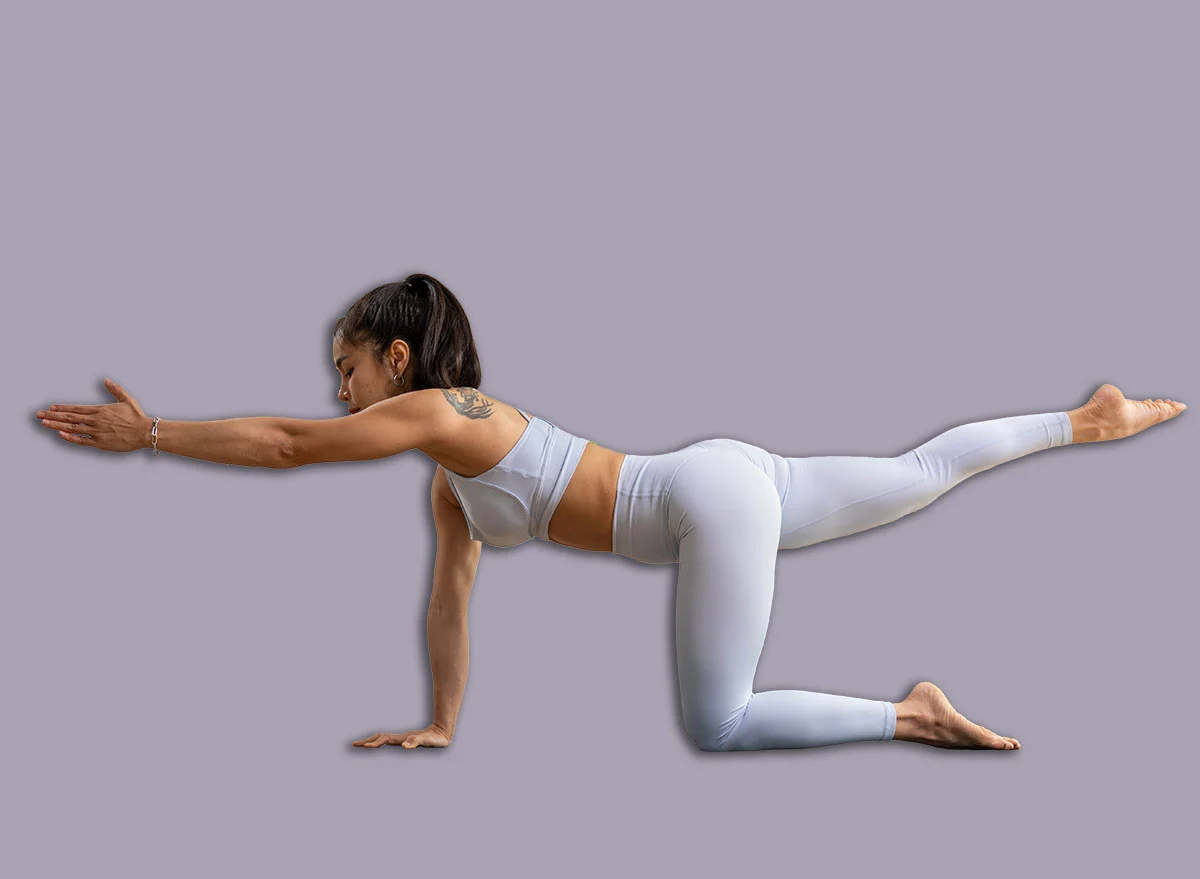
- The Execution: Begin on all fours. Simultaneously extend the opposite arm and leg. The goal is to maintain a perfectly flat back and level hips. Do not let your body rotate or tilt as you lift.
- The Goal: Start by simply lifting the limbs without fully extending them to ensure balance. Once stable, progress to full extension.
- Standing Alternative: Hinge forward at the hips, keeping a flat back. Extend one leg and the opposite arm simultaneously, ensuring the hips stay parallel to the ground.
Supporting Data and Clinical Implications
The efficacy of this routine is rooted in the principles of corrective exercise science. According to the Journal of Physical Therapy Science, individuals over 60 who engage in regular mobility training experience a 30% reduction in incidents of falls and a significant decrease in chronic musculoskeletal pain.
Furthermore, a study published in the International Journal of Environmental Research and Public Health notes that "sedentary-induced muscle shortening" is a primary precursor to the loss of functional independence in seniors. By addressing the "stuck" positions of the hips and thoracic spine, practitioners can significantly increase their "activities of daily living" (ADL) scores, which measure the ability to perform basic self-care tasks.
Professional Guidance
Tyler Read emphasizes that consistency is superior to intensity. "You don’t need to train like an athlete to see results," Read notes. "You need to train like a human who wants to move without pain." He suggests that for those just beginning, performing this routine three times a week can lead to noticeable improvements in posture and flexibility within just 14 days.
Conclusion: Movement as Medicine
As we age, the body becomes more efficient at adapting to the positions we put it in. If you spend eight hours a day in a chair, your body adapts to that shape, resulting in the stiffness and pain many accept as a natural part of aging. However, this is largely a reversible phenomenon.
By dedicating just 12 minutes to this restorative routine, you are not only undoing the damage of the day but are also investing in the longevity of your musculoskeletal health. Whether you choose the floor-based version or the standing alternatives, the key remains the same: move with intention, prioritize quality over quantity, and reclaim the mobility that allows you to live an active, vibrant life.
Disclaimer: Before beginning any new exercise program, particularly if you have pre-existing health conditions or mobility concerns, please consult with your primary care physician or a physical therapist to ensure these movements are safe for your specific needs.