










For decades, the standard prescription for insomnia has been almost exclusively environmental: dim the lights, lower the thermostat, and banish blue-light-emitting screens from the bedroom. While these habits are undeniably vital for circadian hygiene, a growing body of clinical research suggests that the "sleep architecture"—the intricate progression of sleep stages—is just as heavily influenced by the metabolic signals we send our bodies throughout the day.
In a July 2026 report, registered dietitian Molly Knudsen, writing for mindbodygreen, highlighted that sleep quality is not merely a product of the bedroom environment but a direct reflection of nutritional status. By strategically adjusting protein intake, fiber consumption, and the timing of micronutrients like magnesium, individuals can fundamentally shift their body’s ability to transition into deep, restorative sleep.
The Metabolic Foundation: Why Diet Dictates Sleep
The human body operates on an internal clock regulated by hormones, neurotransmitters, and blood glucose levels. When we eat, we release insulin; when we sleep, we rely on melatonin. Research indicates that these systems are deeply intertwined. Poor nutritional choices—such as high-glycemic late-night snacks or inadequate protein—can trigger hormonal cascades that act as biological alarms, keeping the body in a state of hyperarousal when it should be winding down.
Knudsen’s framework suggests that by viewing food as a "sleep supplement," individuals can move beyond temporary fixes and address the root causes of nighttime restlessness. This approach is supported by broader research, including perspectives from integrative medicine practitioners who view sleep, digestion, and systemic health as a singular, inseparable triad.
Protein-Rich Dinners: The Architect of Sleep
One of the most significant findings in recent nutritional science is the correlation between protein intake and sleep stability. Knudsen points out that the average American diet, which derives roughly 16% of total calories from protein, may be insufficient for those struggling with sleep maintenance.
The 30-Gram Threshold
Knudsen recommends that individuals aim for at least 30 grams of high-quality protein per meal, with some requiring up to 40 or 50 grams depending on body mass and activity level. Protein is the source of essential amino acids like tryptophan, which serves as a precursor to serotonin and, subsequently, melatonin.
However, timing is paramount. Consuming a heavy protein load immediately before reclining can divert energy toward digestion, which may hinder the body’s cooling process—a necessary step for initiating deep sleep. Consequently, the consensus among experts is to consume a protein-dense dinner two to three hours before the intended bedtime. This allows the body to complete the bulk of the digestive process before entering the sleep cycle, ensuring that the amino acids are available for neurotransmitter synthesis without causing nocturnal metabolic distress.
The Fiber Factor: Harnessing the Gut-Brain Axis
Fiber is often lauded for heart health and glycemic control, but its role in sleep quality is a more recent discovery. With nearly 95% of Americans failing to reach the recommended daily intake of 25–38 grams of fiber, a chronic deficit may be contributing to the prevalence of "light sleep," where individuals wake frequently and struggle to enter restorative REM cycles.
Improving the Gut-Brain Connection
A 2023 study highlighted by Knudsen emphasizes that fiber metabolism in the colon is critical for gut barrier integrity. Healthy gut bacteria ferment fiber into short-chain fatty acids, which influence serotonin secretion. Since the gut is responsible for producing a significant portion of the body’s serotonin, a high-fiber diet essentially provides the building blocks for a calm, stable nervous system.
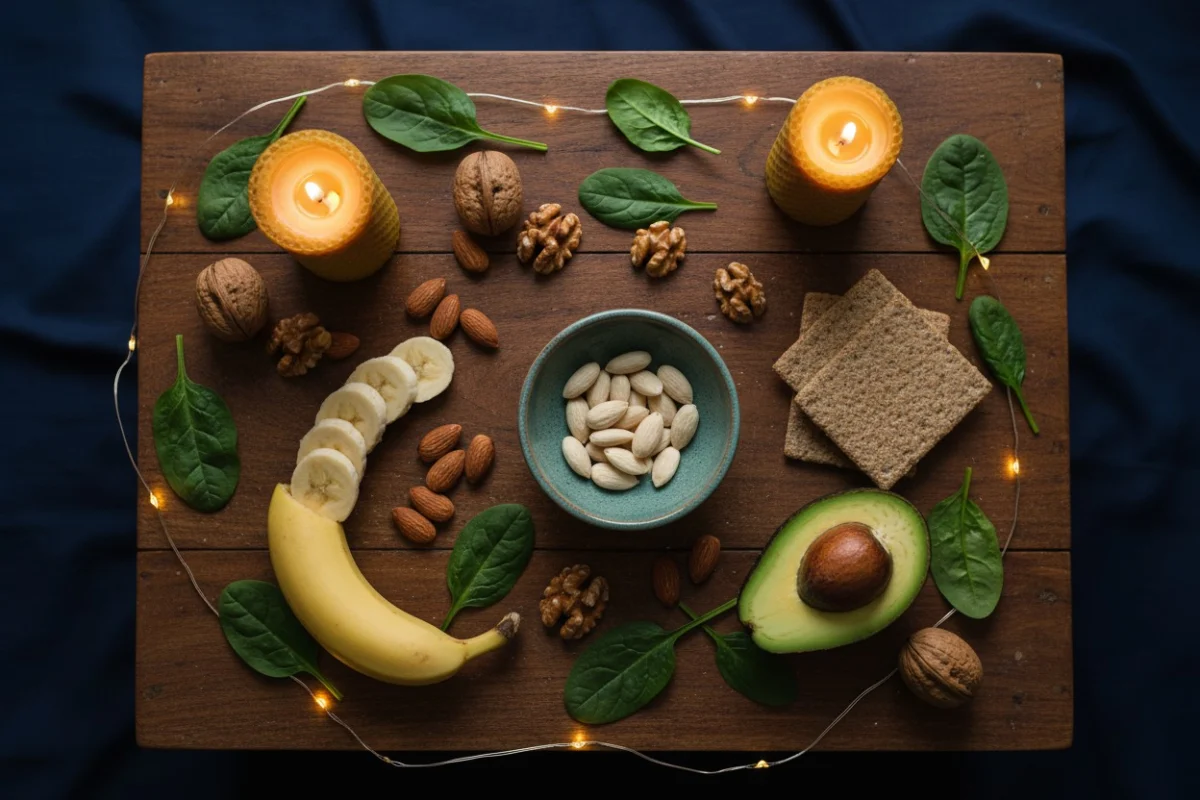
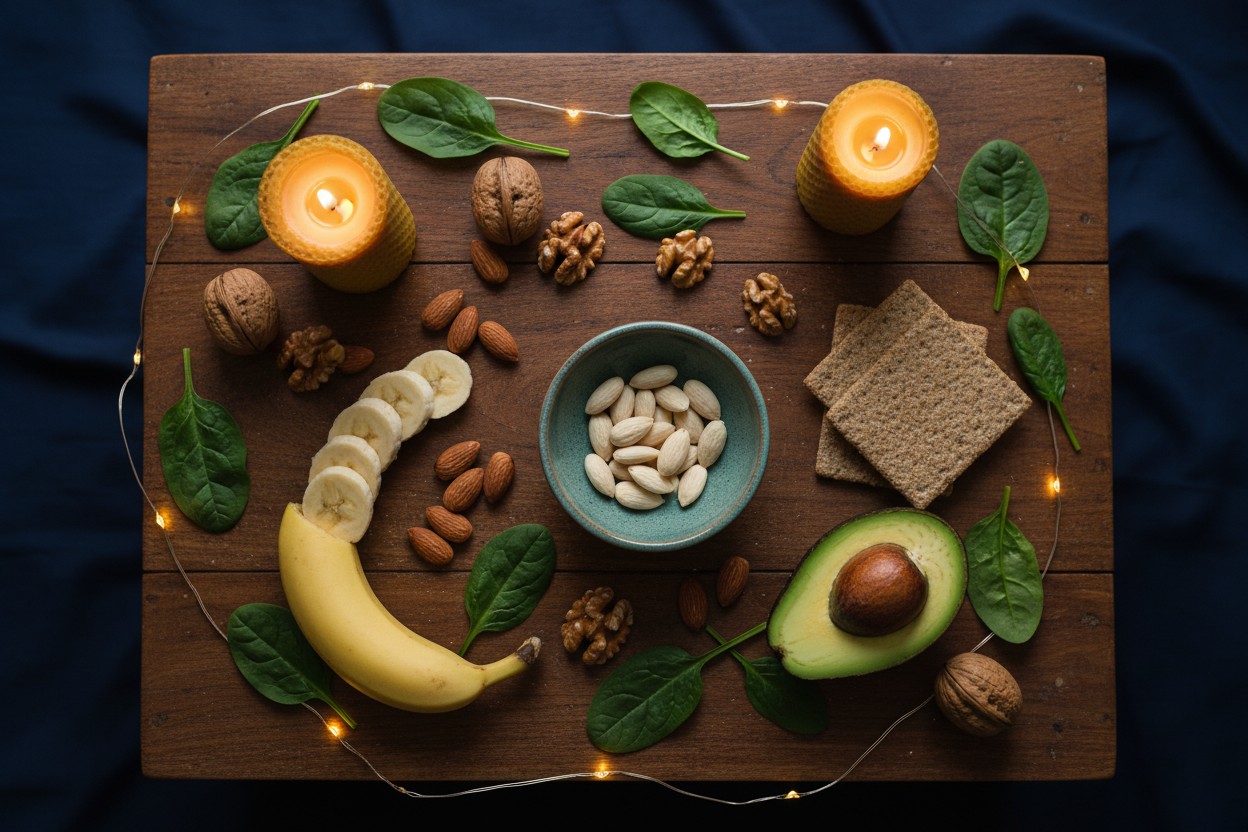
For those looking to optimize their intake, whole grains—such as spelt—and legumes are excellent sources. Additionally, "sleep-friendly" snacks like almonds and walnuts provide a synergistic blend of fiber, healthy monounsaturated fats, and magnesium, making them ideal candidates for a light, pre-sleep snack.
Magnesium: The Mineral That Calms the Brain
Magnesium is involved in over 300 biochemical reactions in the human body, yet an estimated 45% of American adults do not meet the Recommended Dietary Allowance (RDA). Among its many roles, magnesium acts as a key regulator of the hypothalamic-pituitary-adrenal (HPA) axis, helping to dampen the body’s stress response.
Therapeutic Timing and Form
Knudsen advocates for the use of magnesium bisglycinate—a highly bioavailable form—taken one to two hours before bed. By activating GABA receptors, magnesium helps "turn off" the brain’s chatter, facilitating a faster transition to sleep.
The efficacy of this mineral is underscored by clinical trials. A 2023 study found that 248 mg of elemental magnesium chloride could produce clinically significant improvements in mood and sleep-related stress markers. While supplements are a convenient solution, the best source remains a diet rich in dark leafy greens, avocados, and bananas. However, as with all supplementation, individuals are urged to consult a healthcare provider, particularly those who are pregnant or nursing, to determine the appropriate dosage.
The Dangers of Late-Night Blood Sugar Fluctuations
The "midnight snack" is a frequent culprit in sleep disruption. Knudsen explains that consuming sugary or high-carb foods late at night triggers a rapid spike in blood glucose. As the body releases insulin to manage this surge, blood sugar levels inevitably crash. This crash is interpreted by the body as an emergency, triggering the release of cortisol—the "stress hormone."
In a healthy circadian rhythm, cortisol should be at its lowest point in the evening. When sugar consumption forces a spike in cortisol, the body is effectively sent into "fight or flight" mode, making it nearly impossible to maintain deep sleep. Furthermore, recent reports have linked the chronic consumption of ultra-processed foods to sustained elevation of cortisol levels, creating a cycle of metabolic stress that can exacerbate insomnia.
Hydration Timing and the Nocturia Problem
While hydration is a pillar of health, the timing of water intake is frequently overlooked. Drinking excessive water—typically defined as more than eight ounces—within the two-hour window before bed is a primary driver of nocturia, the clinical term for waking up to urinate at night.
Urologist Dr. Vannita Simma-Chiang suggests a "cutoff" point: finish the last significant intake of water three to four hours before sleep. By spacing water consumption throughout the day, one can ensure proper cellular hydration without compromising sleep continuity. This simple adjustment often provides immediate relief for those whose primary sleep complaint is frequent waking.
Implications for Public Health
The integration of dietary science into sleep hygiene protocols represents a shift toward a more holistic view of health. Modern medicine is beginning to recognize that "lifestyle" is not just about the hours spent in bed, but about the chemical environment created by our daily habits.
Evidence from 2026 studies suggests that the combination of consistent sleep routines, mindful eating, and regular physical activity significantly lowers the risk of major cardiovascular events. Traditional systems of medicine, such as Traditional Chinese Medicine, have long championed the connection between digestion and rest, noting that the body cannot achieve optimal recovery if the digestive system is burdened by late-night intake or poor nutritional choices.
Summary: A Checklist for Better Rest
For those looking to implement these strategies, the path to better sleep can be distilled into a few actionable pillars:
- Prioritize Protein: Aim for 30–50 grams at dinner, ensuring it is finished at least three hours before bed.
- Fiber First: Ensure your daily diet includes 25–38 grams of fiber from whole foods to support the gut-brain axis.
- Mind Your Magnesium: Consider magnesium bisglycinate in the evening to calm the nervous system, while increasing intake of magnesium-rich whole foods.
- Avoid the Sugar Spike: Eliminate high-carb and sugary snacks in the evening to prevent cortisol-driven wakefulness.
- Strategize Hydration: Stop heavy fluid intake 3–4 hours before sleep to prevent nocturnal disruptions.
As research continues to evolve, it is becoming increasingly clear that the quality of our sleep is intimately tied to the quality of our food. By shifting our focus from the bedroom to the kitchen, we may find the missing link in our quest for a truly restorative night’s rest. Always remember to consult with a medical professional before starting any new supplement regimen to ensure that these changes are appropriate for your specific health needs.