




By Kari McBride
The Mirage of the Finish Line: A Lesson from the Oregon Streets
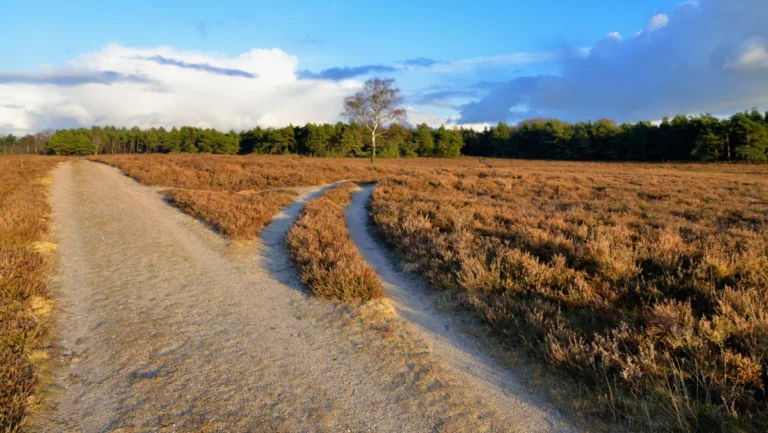
For many, the Presidential Fitness Test serves as a formative, if somewhat traumatic, memory of youth. For me, it was a ritual of dread. As a high school freshman in Oregon, I recall the gray, damp mornings spent staring down a one-mile loop on Kruse Way. My physical education teacher’s advice was always the same: "It’s just one mile. If you pace yourself, you can improve your time."
Those words echoed in my head as I started, fueled by a burst of adolescent adrenaline. I would sprint off the line, desperate to prove my capability. But as I rounded the curve onto Carman Drive, the reality of my limitations would set in. The stamina I lacked would abandon me, leaving me to trudge the remaining distance in a state of physical depletion. By the time I crossed the finish line, I wasn’t an athlete hitting a stride; I was a shell of a person, barely able to muster the energy to make it to my next class: Human Biology.
At the time, I viewed pacing as an athletic concept—a strategy for runners, swimmers, and cyclists. I assumed that if I weren’t an athlete, the concept of "pacing" was irrelevant to my daily life. Twenty years later, I have come to realize that I was fundamentally wrong. Pacing is not merely a tool for sports performance; it is a critical survival mechanism for those navigating the complexities of chronic illness and the invisible boundaries of human endurance.
The Tug-of-War: Heart vs. Brain
The conflict between ambition and capacity is a universal human experience, but for those living with chronic health conditions, it is a daily, high-stakes negotiation. Often, my heart responds to external demands long before my brain has the capacity to process the long-term consequences.
Consider a recent week that serves as a case study in overextension. The calendar was packed: Teacher Appreciation Week, a major choir concert, and my daughter’s birthday. When the requests for help came in, my "heart" response was instantaneous. "Yes, of course I’ll do it," I promised, fueled by a desire to be present and helpful.
In the background, however, my "brain" was already sounding the alarm. It was bracing for the inevitable fallout, recognizing the pattern that I had spent years trying to ignore. My brain understood that while I might possess the spirit to do it all, I did not possess the biological fuel to do it all well.
The Illusion of Capacity
For a few days, it seemed as if my heart had been right to take on the load. I hung the birthday decorations with care, meticulously assembled the teacher gifts, and hummed the choir songs on repeat. For a moment, fueled by a volatile cocktail of caffeine and adrenaline, I believed I had finally cracked the code. I felt invincible, as if I had somehow bypassed the laws of energy conservation.
But the body keeps the score. The collapse didn’t happen all at once; it was a cascade of physiological warning signs:
- The Respiratory Flare: A persistent tickle in the throat—a classic sign of immune system strain that I initially dismissed as mere allergies.
- The Somatic Ache: A deep, systemic soreness radiating from my feet, traveling up my spine, leaving every muscle knotted and resistant to rest.
- The Cognitive Wall: A wave of brain-numbing exhaustion that transcended simple tiredness. This was the kind of fatigue that renders sleep ineffective—a "battery drain" that no amount of rest could immediately recharge.
By the end of the week, the realization was undeniable: my brain had been right all along. I had reached the end of my capacity, and just like the high school version of myself on the Kruse Way loop, I was forced to crawl across the finish line. There was no second-hour Human Biology class waiting for me this time, only the cold reality of a 76-hour recovery period. Dishes sat in the sink, laundry piled up, and the house remained in a state of suspended animation while I lay on the couch, recouping the energy I had spent so recklessly.
Supporting Data: The Science of Pacing
Pacing—or "Energy Envelope Theory"—is not just a metaphor; it is a recognized clinical strategy used in the management of chronic conditions such as Myalgic Encephalomyelitis/Chronic Fatigue Syndrome (ME/CFS), Fibromyalgia, and Long COVID.
According to researchers at the Mayo Clinic and the Open Medicine Foundation, patients with chronic energy-limiting conditions often suffer from "Post-Exertional Malaise" (PEM). PEM is the worsening of symptoms following even minor physical or mental exertion. The biological mechanism involves an inability of the body to produce energy efficiently at the cellular level. When a patient exceeds their "energy envelope," they enter a cycle of "boom and bust," where a short period of high activity is followed by a disproportionately long period of total exhaustion.
The goal of pacing, therefore, is not to do less, but to do differently. It involves:
- Activity Logging: Identifying the specific tasks that trigger the highest energy costs.
- The "Stop Before You’re Tired" Rule: Learning to cease an activity before the fatigue hits, rather than waiting for the body to signal it has reached a breaking point.
- Prioritization: Assigning "energy budgets" to tasks, acknowledging that on low-energy days, the laundry may not be as vital as personal health.
Official Responses and Clinical Perspectives
Medical professionals who specialize in chronic pain management emphasize that pacing is a skill that requires unlearning the "no pain, no gain" ethos embedded in modern culture.
"Patients often feel a sense of guilt when they stop mid-task," says Dr. Elena Rossi, a specialist in chronic fatigue. "But that guilt is based on a societal expectation of constant productivity. From a clinical perspective, pacing is a form of self-regulation. If a patient waits until they are ‘done,’ they have already overdrawn their account. Recovery from that deficit takes significantly longer than the energy saved by stopping early."
The psychological aspect is equally significant. Many patients struggle with the identity shift from a "doer" to a "pacer." The transition requires grieving the ability to push through, and replacing it with a more sustainable, if less glamorous, approach to daily life.
Implications: Building a Sustainable Future
The implications of this realization extend far beyond my own living room. We live in a culture that valorizes the "hustle"—the ability to work longer, harder, and faster. We are taught that if we are not exhausted by the end of the day, we have not worked hard enough. This cultural mandate is particularly damaging for those whose bodies do not cooperate with such a high-octane lifestyle.
If we are to foster a more inclusive society, we must begin to value the sustainability of effort as much as the intensity of effort. This means:
- For Employers: Normalizing flexible working hours and acknowledging that output can be achieved through different rhythms.
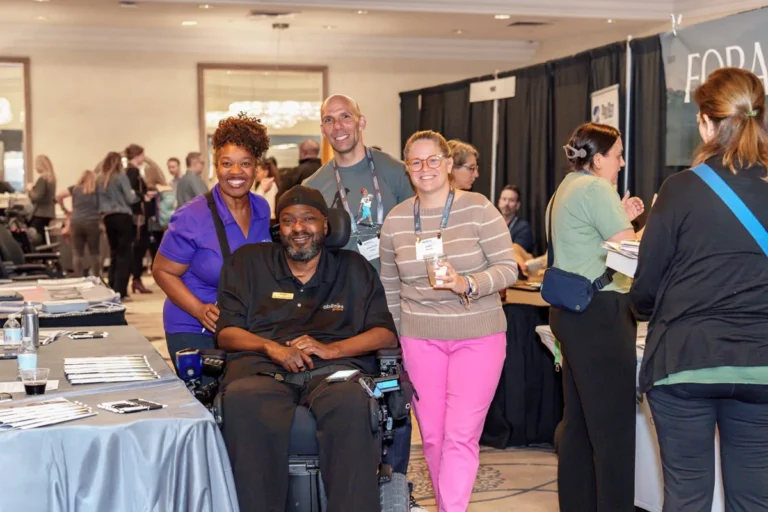
- For Communities: Creating environments where people can contribute at their own pace without the pressure of immediate, high-volume participation.
- For Individuals: Developing the internal fortitude to say "no" or "not today," even when our hearts are begging us to say "yes."
Conclusion: The Note to Myself
As I look back on that Oregon road, I no longer feel the shame of the slow walker. I see a younger version of myself who was being told to follow a rule that didn’t apply to her specific biology.
Because I know that the pressures of life—the birthdays, the concerts, the volunteer commitments—will continue to arise, I have made a conscious decision to change my internal dialogue. I have written a note to myself, one that sits on my mirror and serves as a constant, quiet reminder:
"Just pace yourself."
It is not a sign of weakness or a confession of defeat. It is a strategic mandate for living a life that is not just productive, but sustainable. Pacing is the architecture of a balanced life; it is the art of recognizing that while we may want to sprint toward the finish line, the true victory lies in having the energy to enjoy the view once we arrive.