









Published: July 20, 2026
In an era defined by rapid digital acceleration and the relentless pace of modern life, the importance of grounding oneself at the start of the day has never been more critical. For those who are new to the practice of yoga, or for experienced practitioners seeking a slower, more deliberate transition into their morning, a new 10-minute home practice has emerged as a beacon of accessibility. Designed to prioritize fluidity and mindfulness over physical intensity, this routine offers a structured, sustainable way to wake up the body and calm the mind.
The Core Philosophy: Why Ten Minutes Matters
The primary objective of this beginner-friendly sequence is to remove the barriers to entry often associated with yoga. Many newcomers feel intimidated by the complex acrobatics frequently displayed on social media. However, this practice shifts the focus back to the fundamental purpose of yoga: the union of breath and movement.
By dedicating just ten minutes each morning to these movements, practitioners can alleviate the physical stagnation that accumulates overnight. Whether you choose to follow this exact routine daily or treat it as a building block for a more personalized practice, the benefits remain consistent: improved circulation, increased flexibility, and a stabilized mental state that persists long after you step off the mat.
A Chronological Walkthrough of the Sequence
This practice is structured as a "flow," meaning poses are linked intentionally, allowing the practitioner to linger in a shape before transitioning into the next.
1. Child’s Pose: Establishing the Foundation
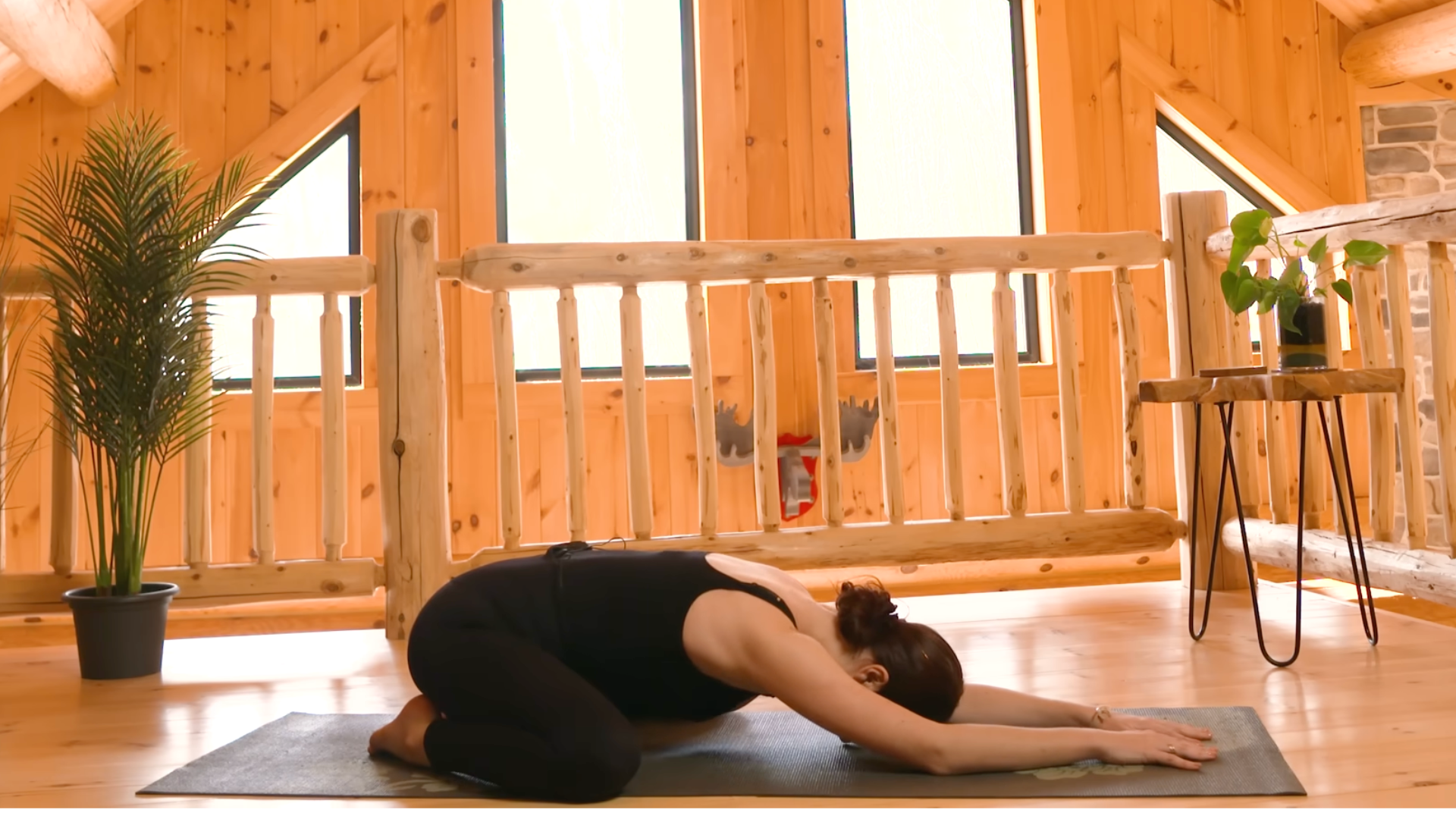
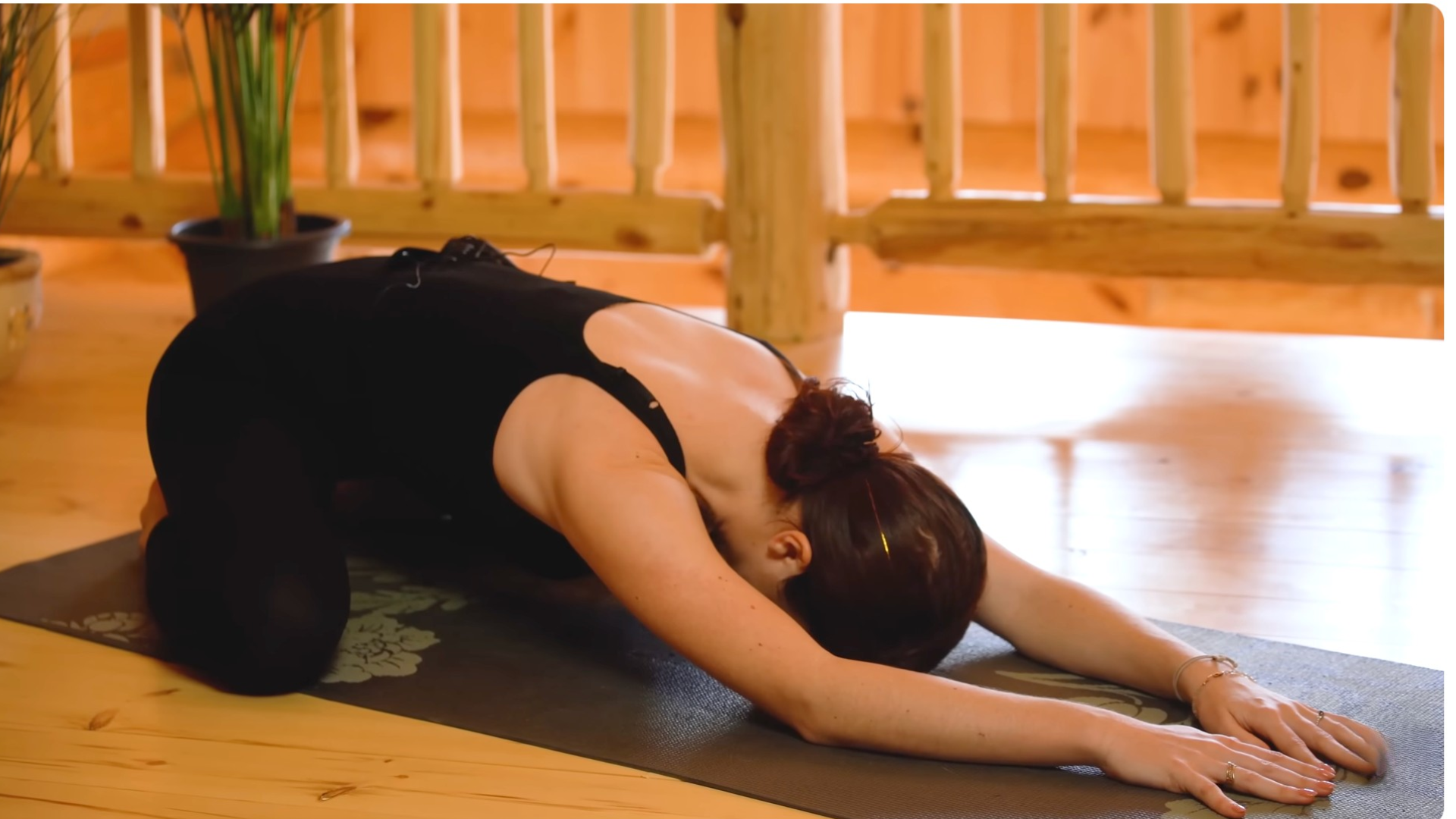
Every practice begins by settling the nervous system. In Child’s Pose (Balasana), the practitioner brings their big toes together and spreads their knees wide, reaching the hips back toward the heels. This posture immediately signals to the body that it is safe to relax. By placing the head toward the mat, you invite a sense of introspection and calm.
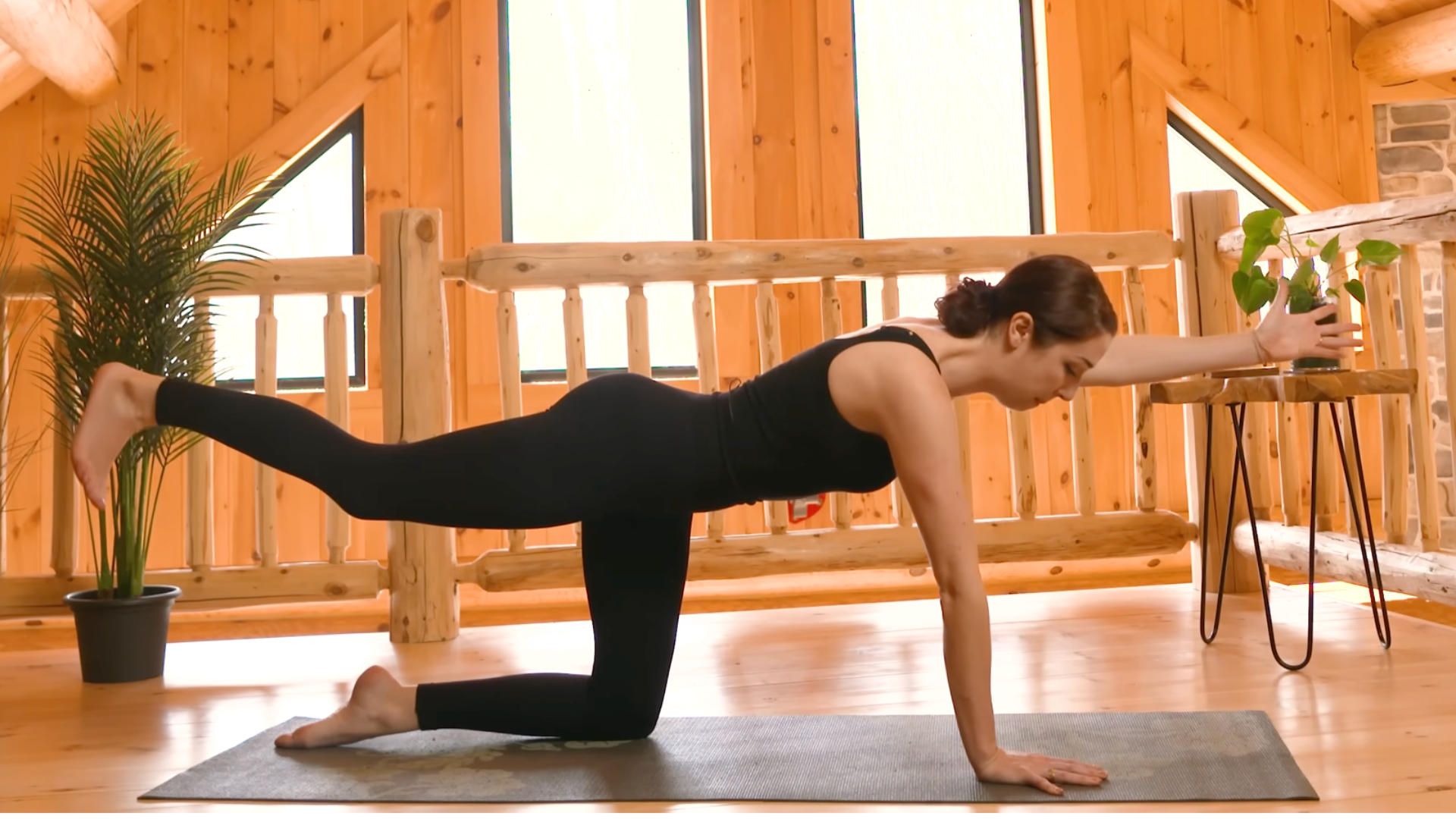
2. Cat-Cow: Awakening the Spine
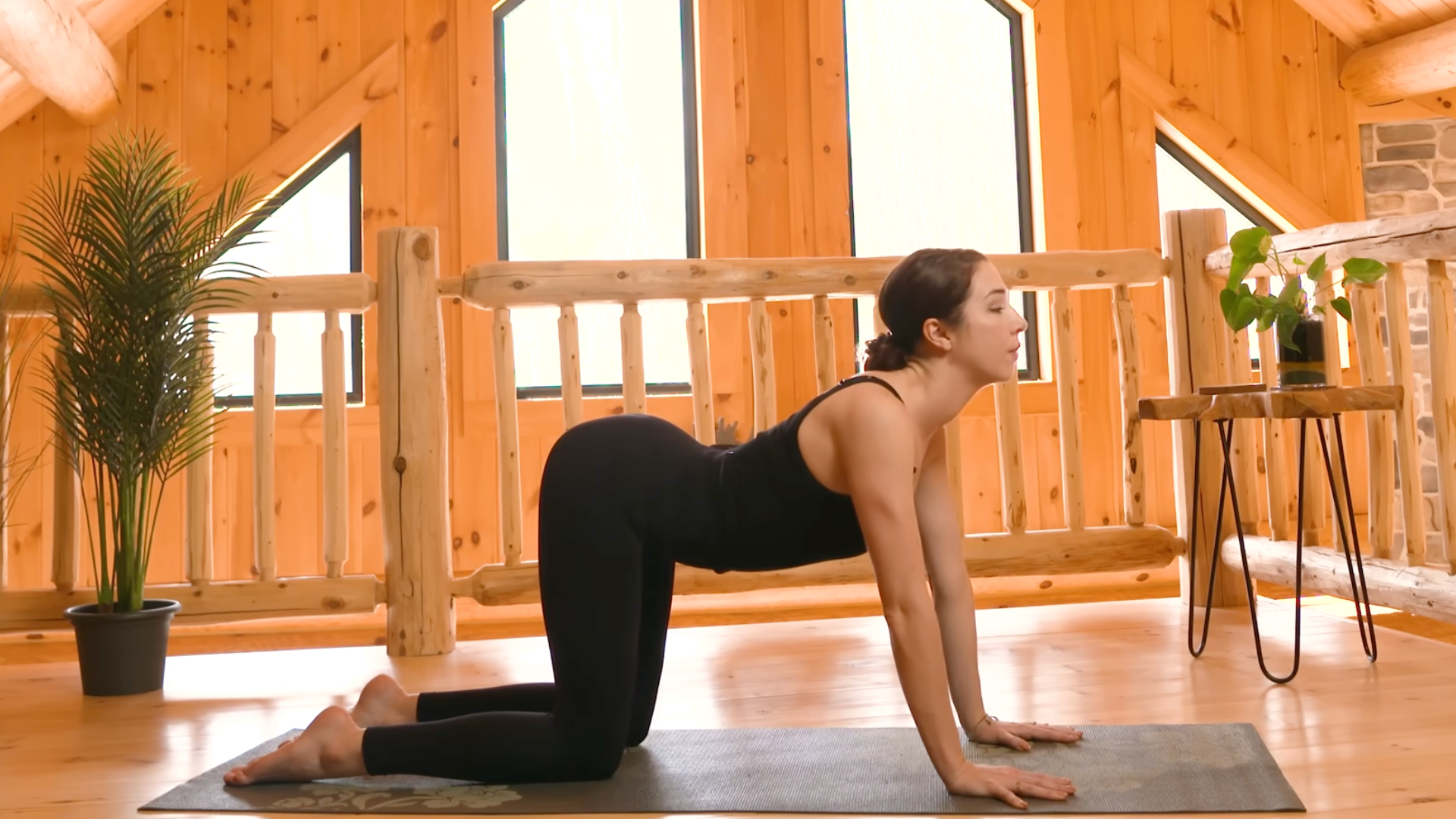
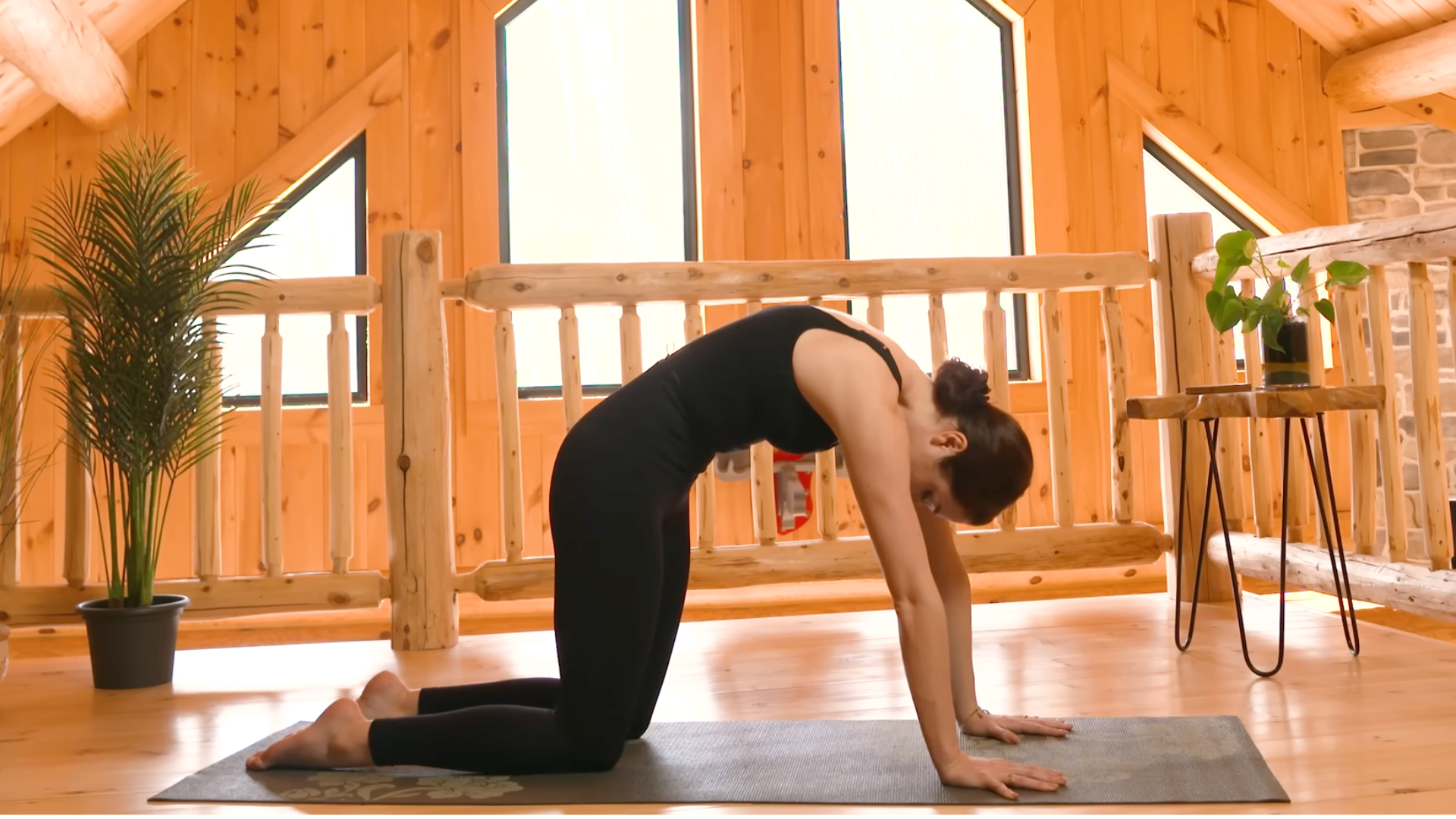
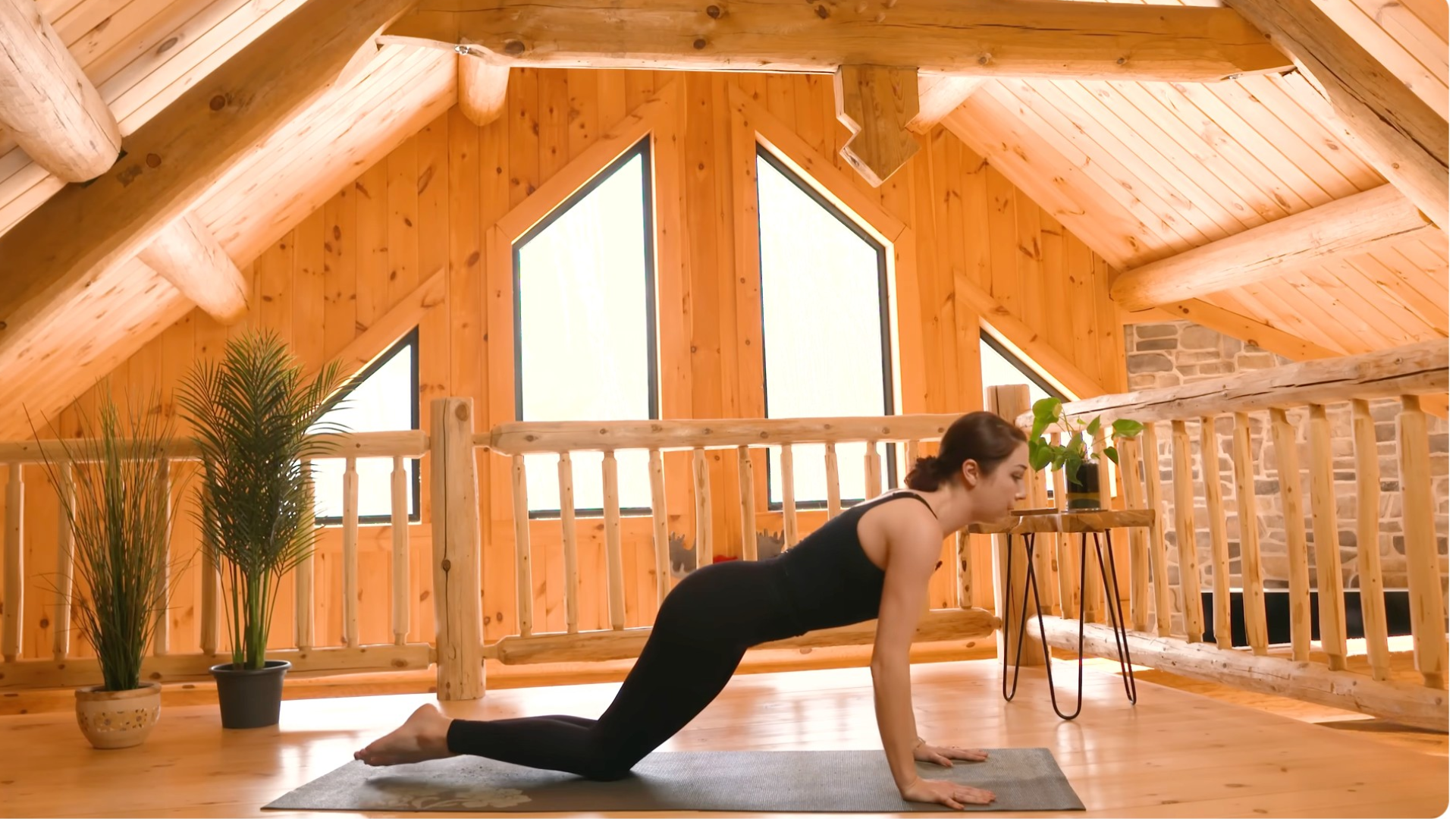
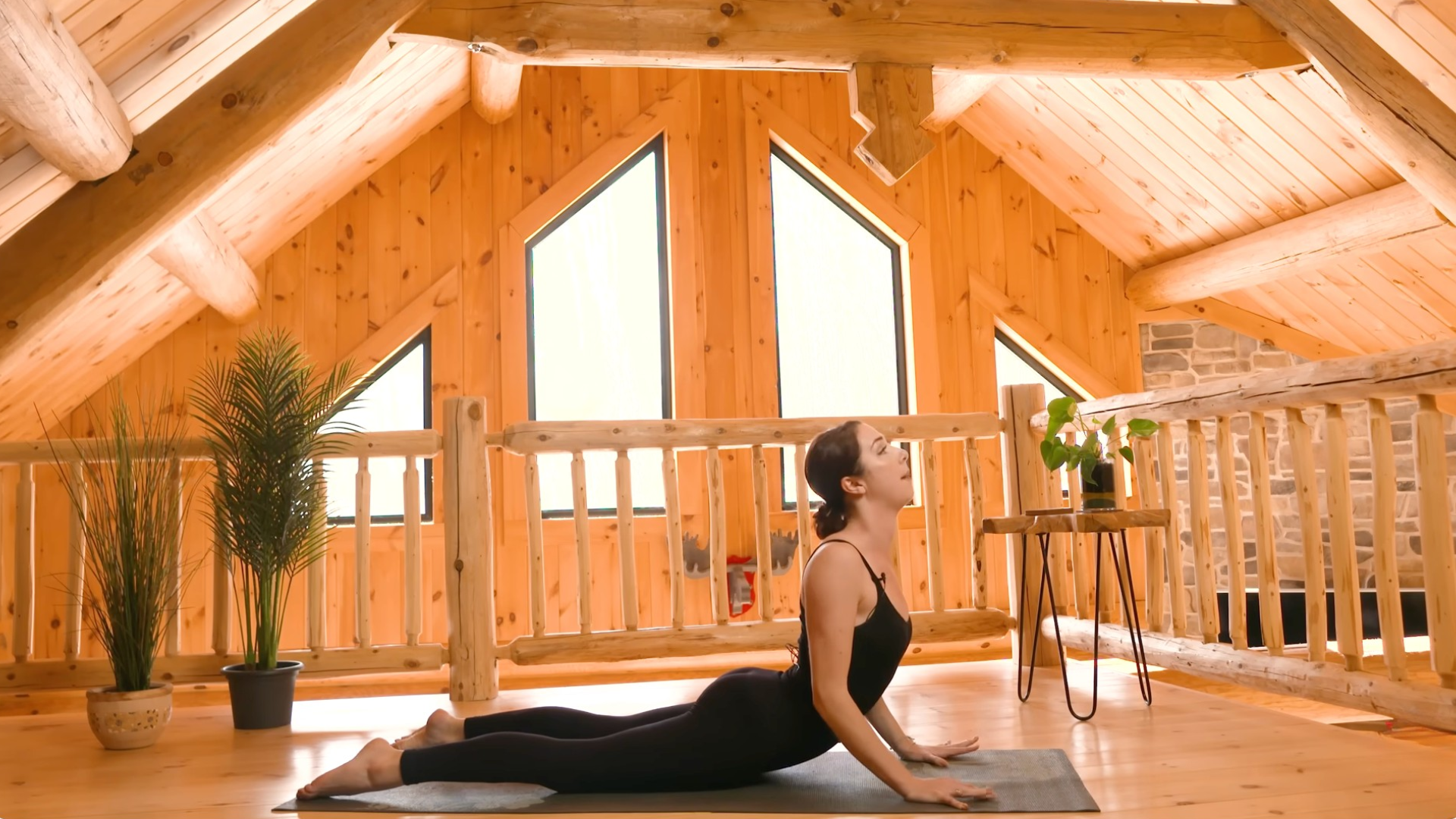
Moving from a static position into rhythmic motion, Cat and Cow poses serve as the "alarm clock" for the spine. By inhaling into Cow—dropping the belly and lifting the gaze—and exhaling into Cat—rounding the back and tucking the chin—you stimulate the spinal nerves and prepare the core for the work ahead.
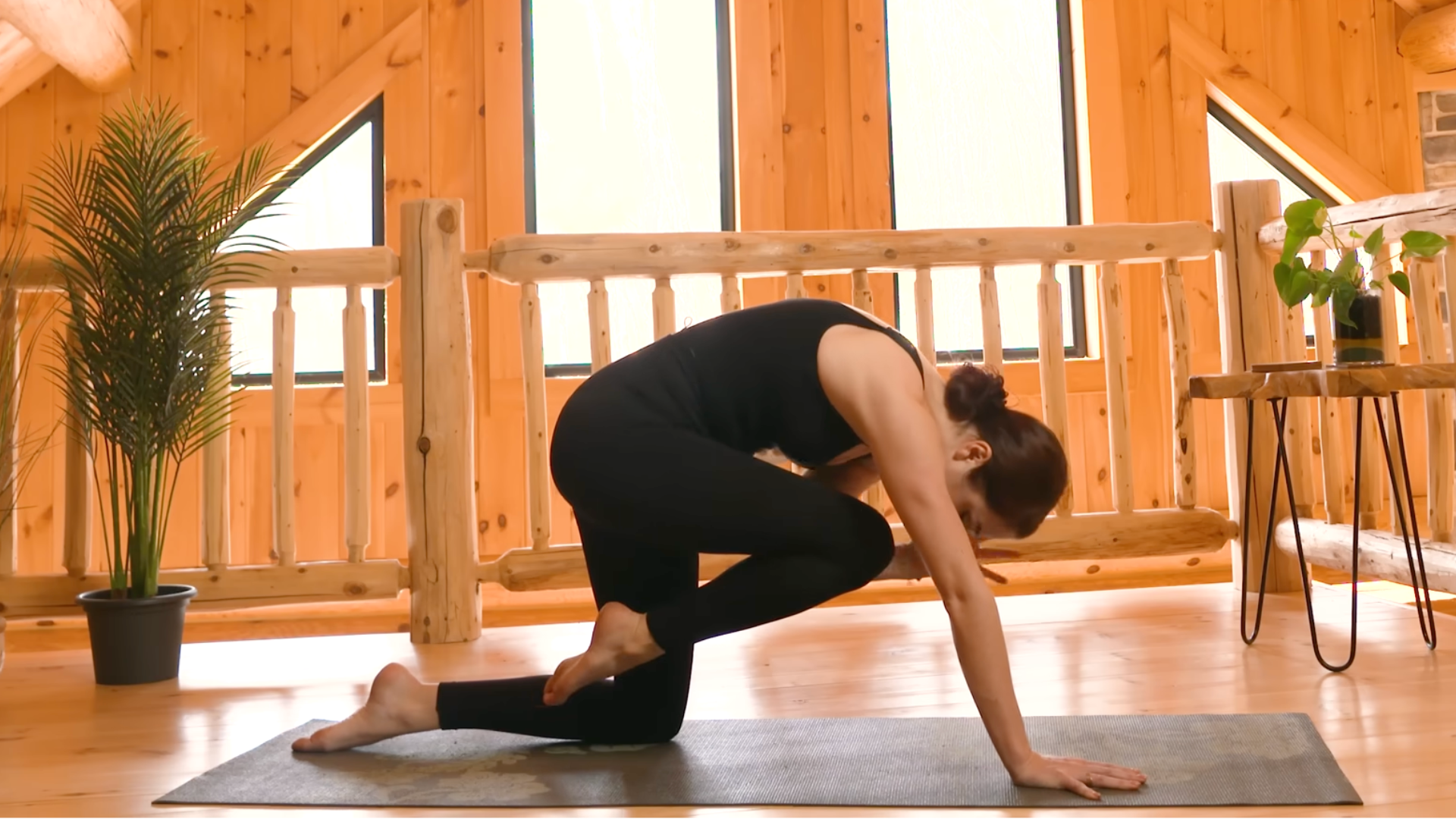
3. Bird Dog: Core Stability and Balance
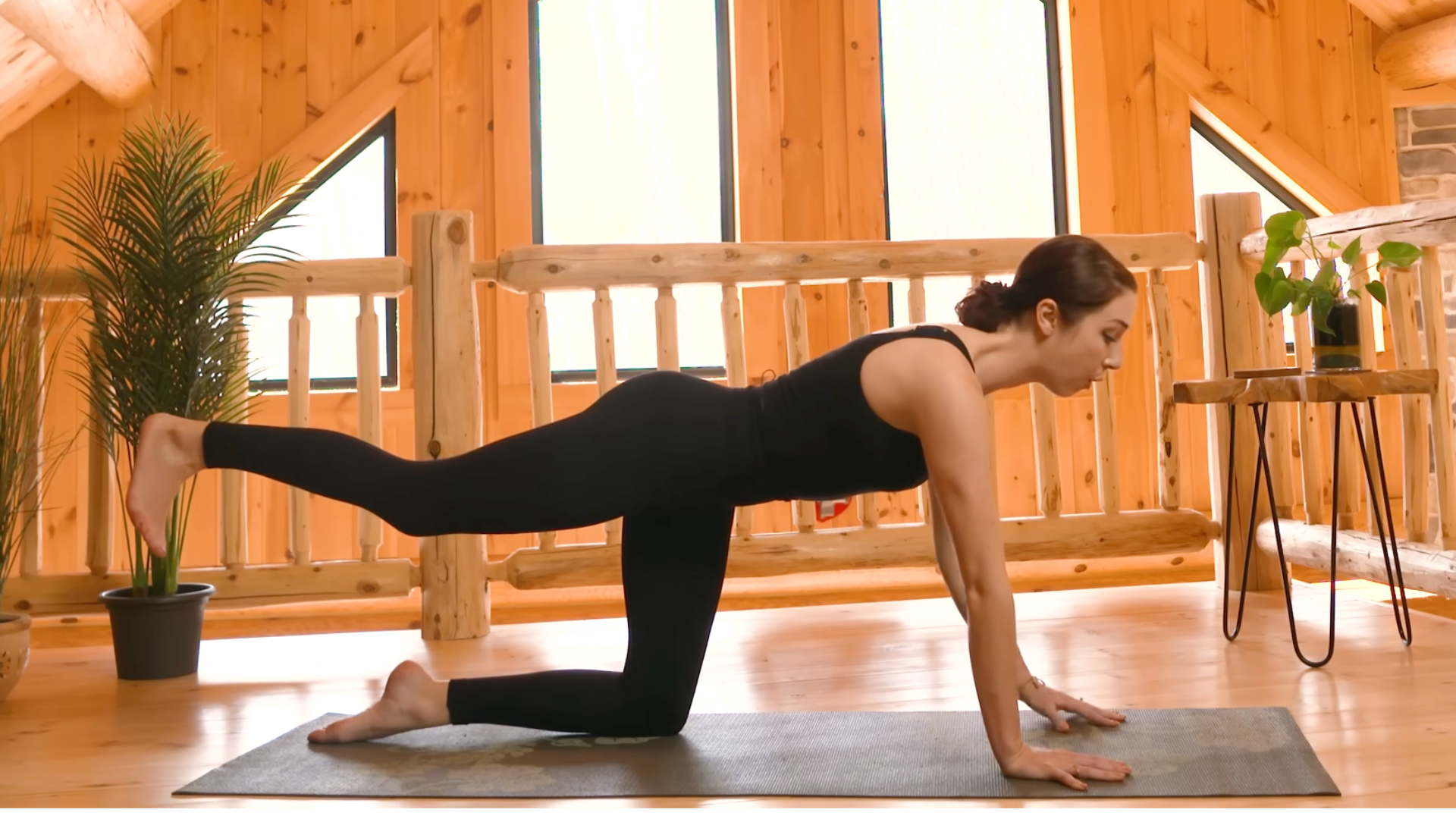
Transitioning into a neutral spine, the Bird Dog pose introduces the concept of cross-lateral balance. By extending the opposite arm and leg, the practitioner engages the deep stabilizers of the core. This is a critical movement for improving balance and coordination, providing a gentle yet effective challenge for beginners.
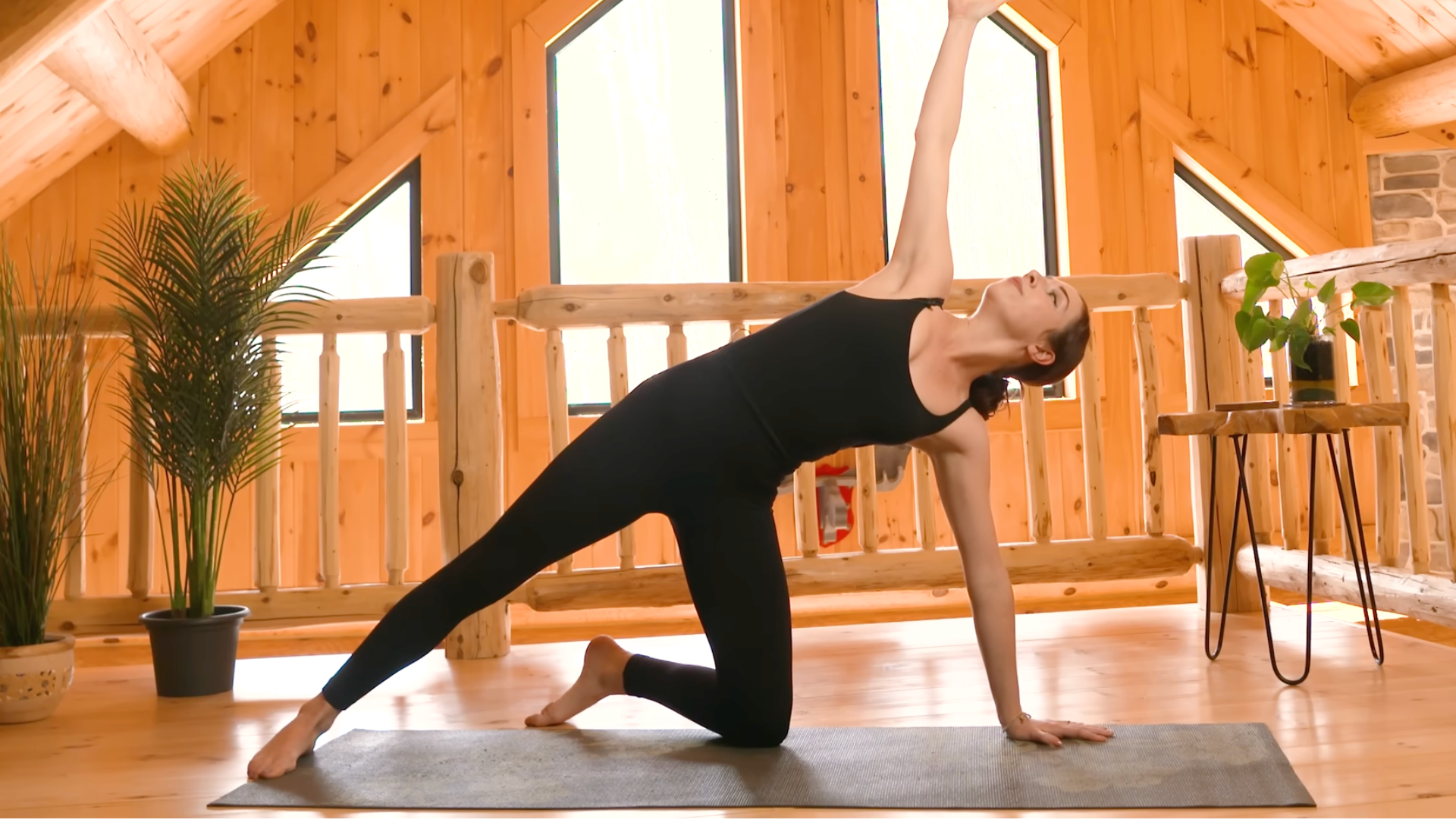
4. Side Plank Variation: Building Strength
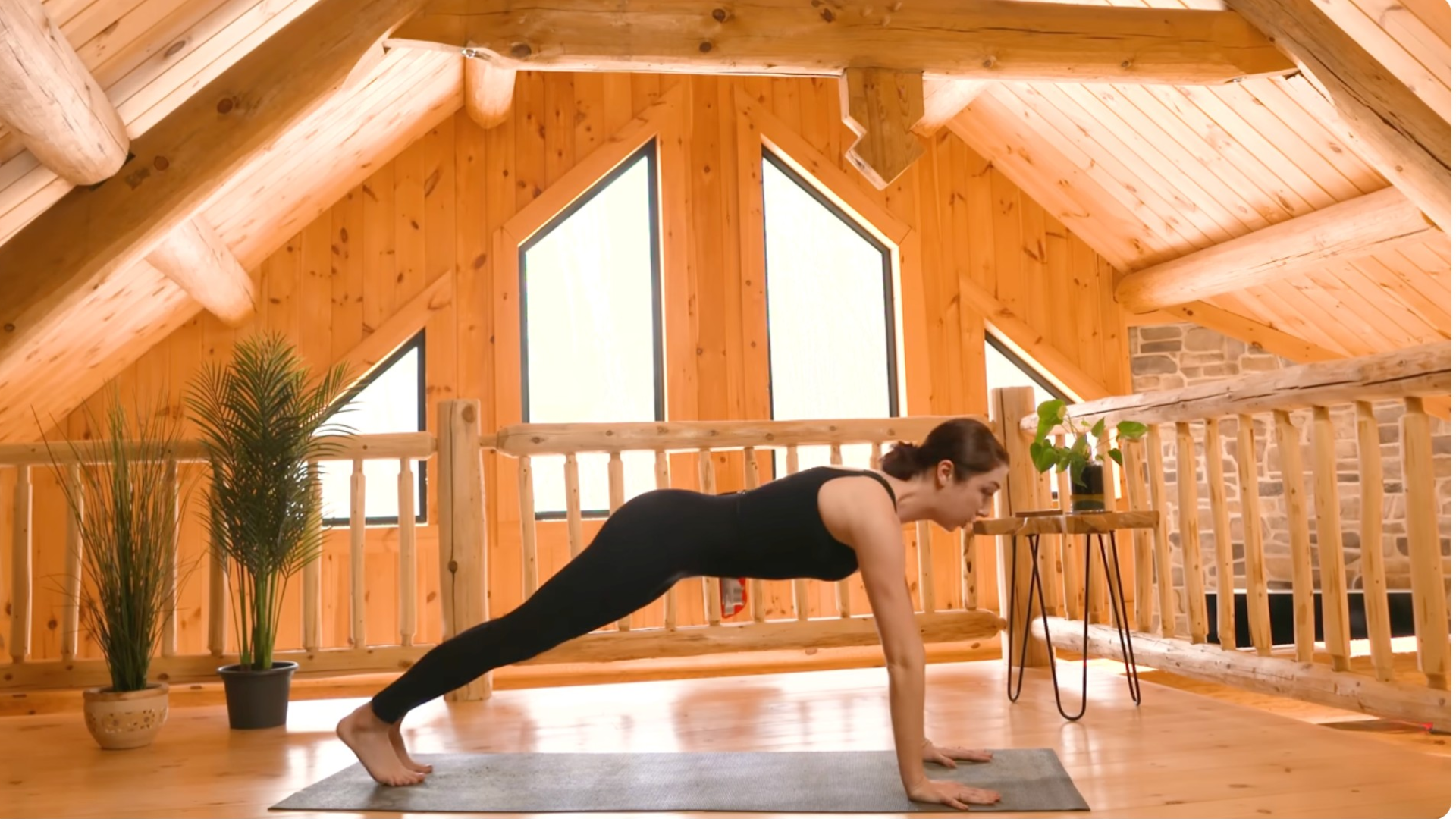
To build heat without exhaustion, the sequence incorporates a modified Side Plank. By keeping one knee grounded, the practitioner can focus on stacking the shoulders and opening the chest, fostering upper body strength and lateral stability.
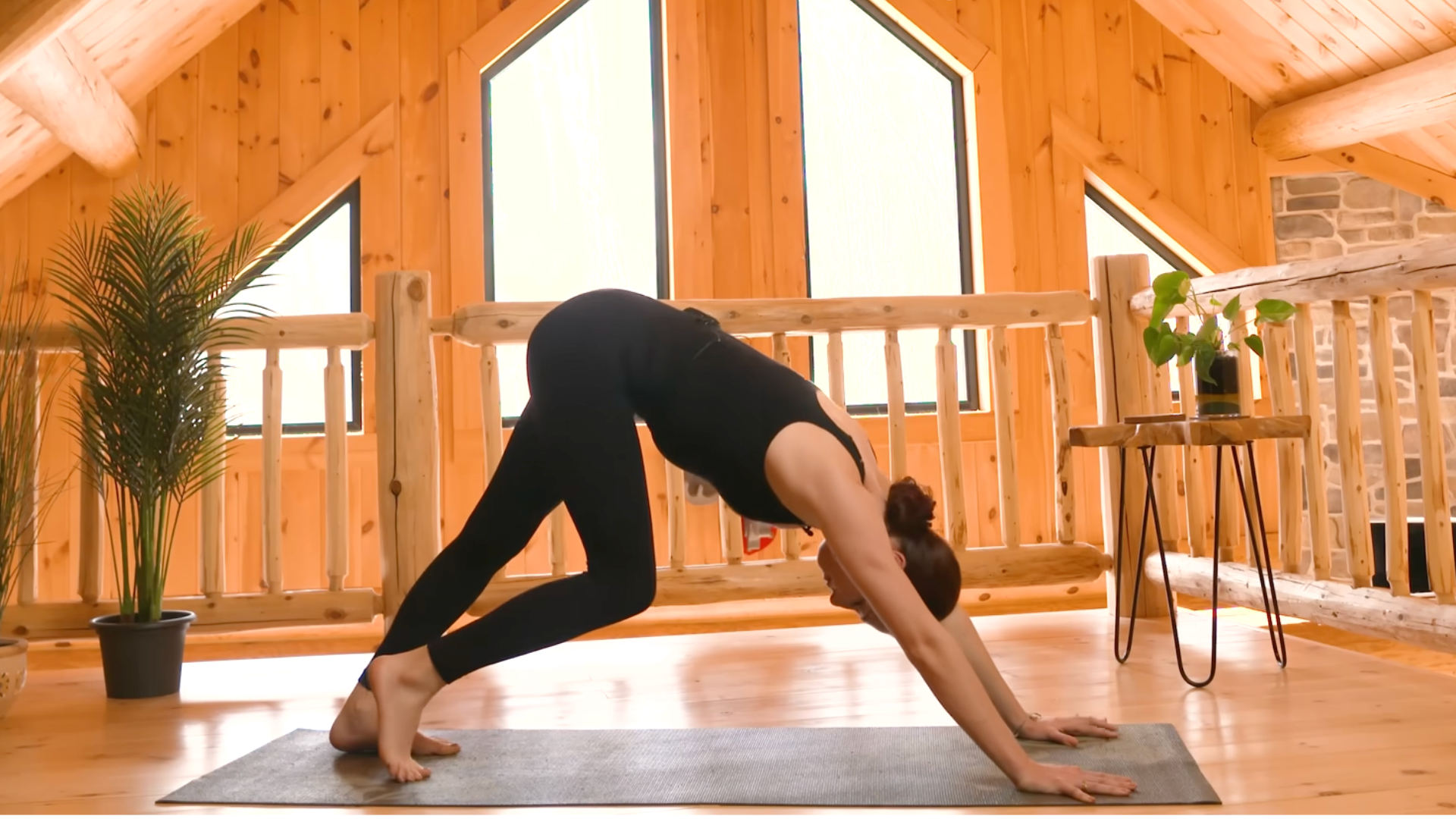
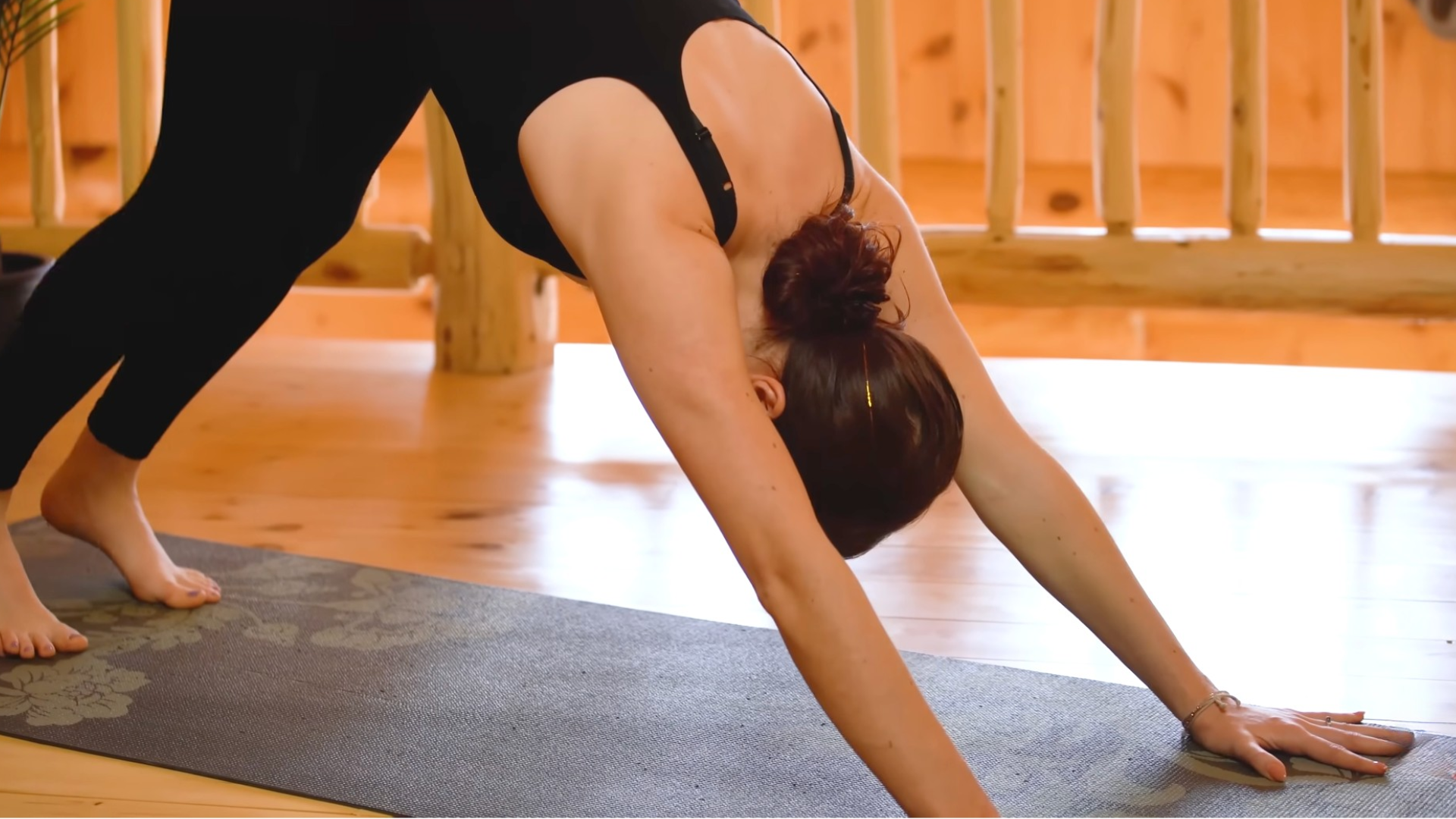
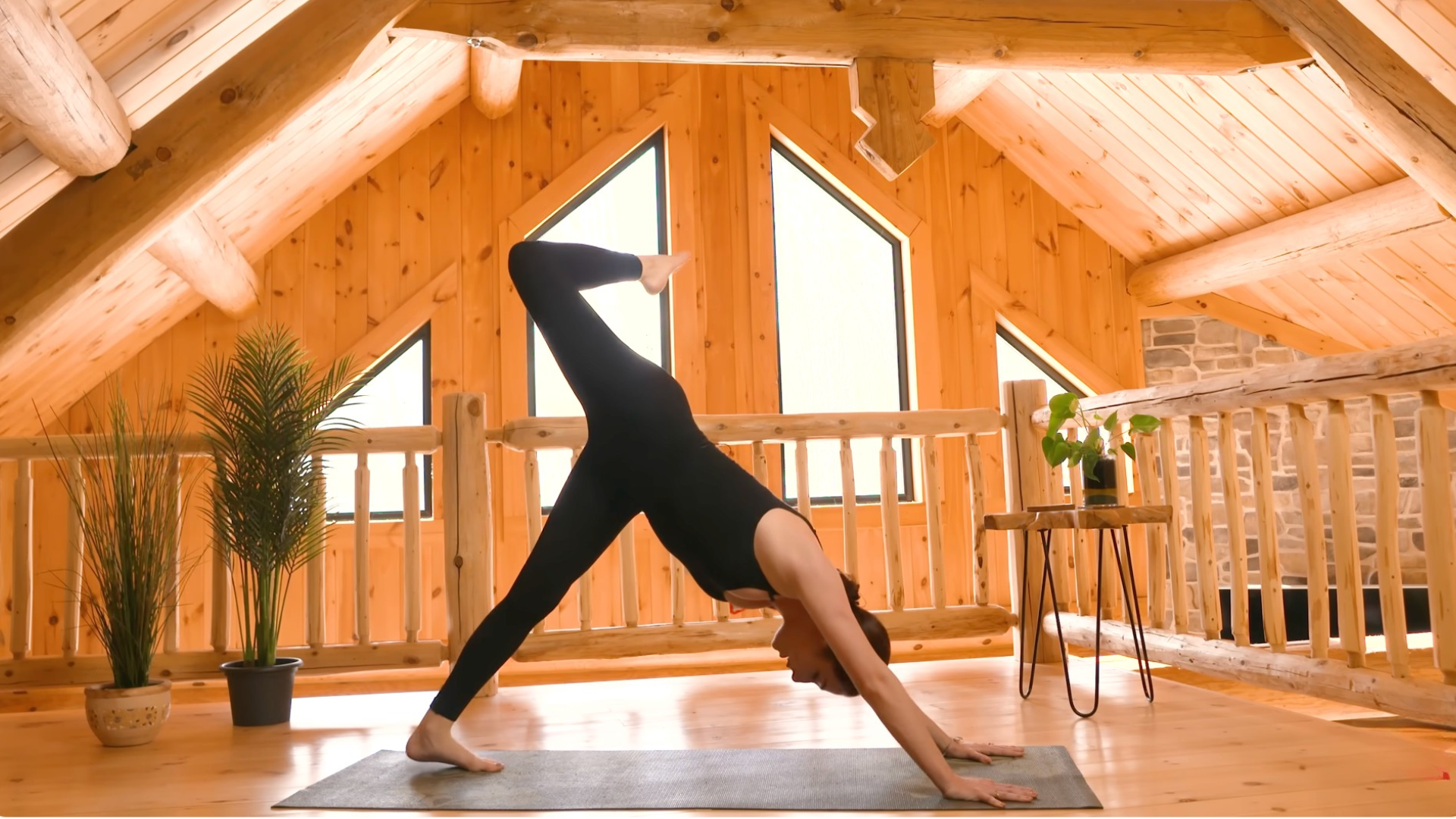
5. Downward-Facing Dog and Three-Legged Dog
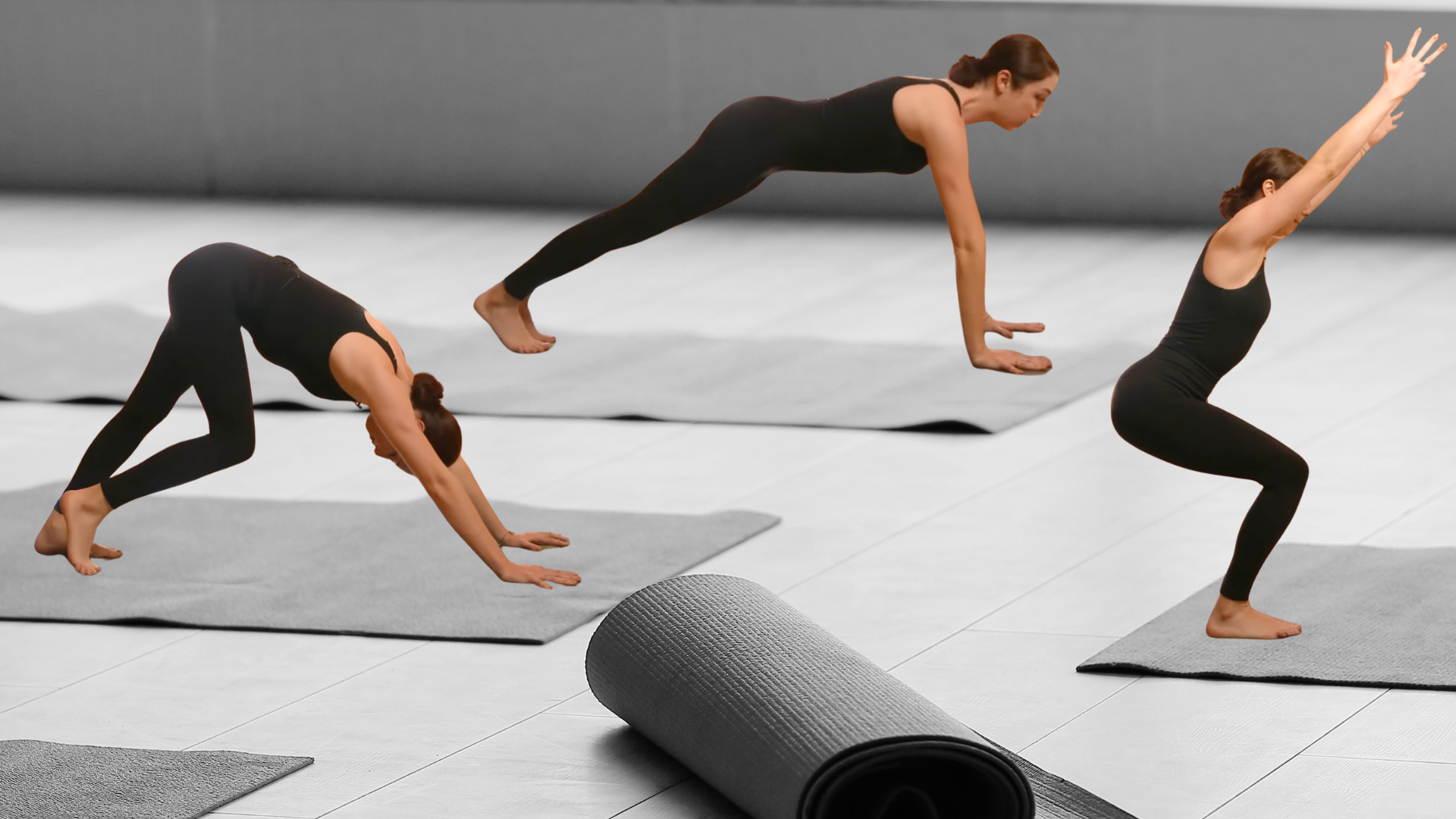
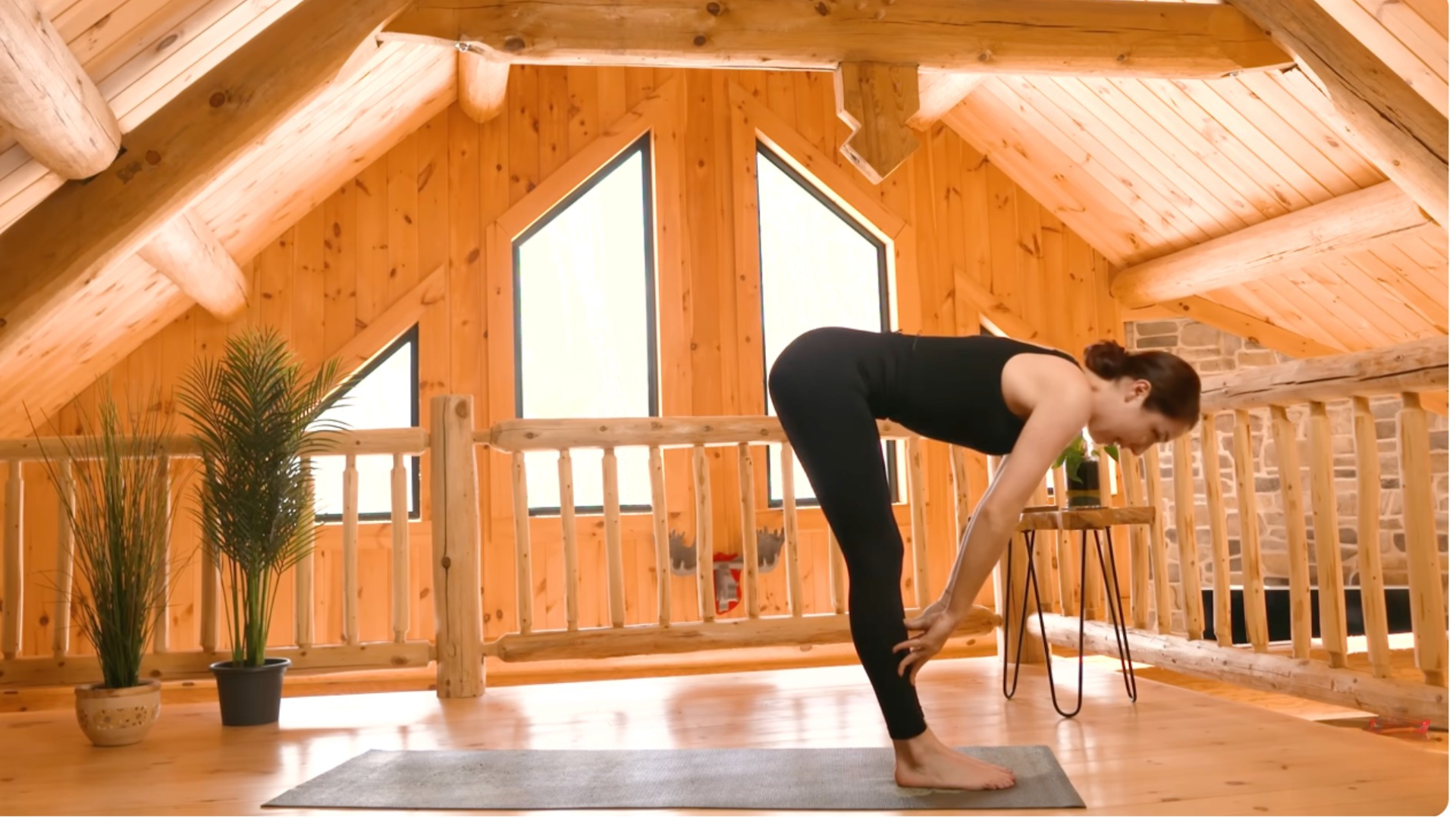
No morning routine is complete without the classic inversion of Downward-Facing Dog. It serves as an active stretch for the entire posterior chain, particularly the hamstrings and calves, which are often tight after sleep. Lifting one leg into a Three-Legged Dog allows for a deep hip-opening stretch, releasing tension held in the pelvic region.
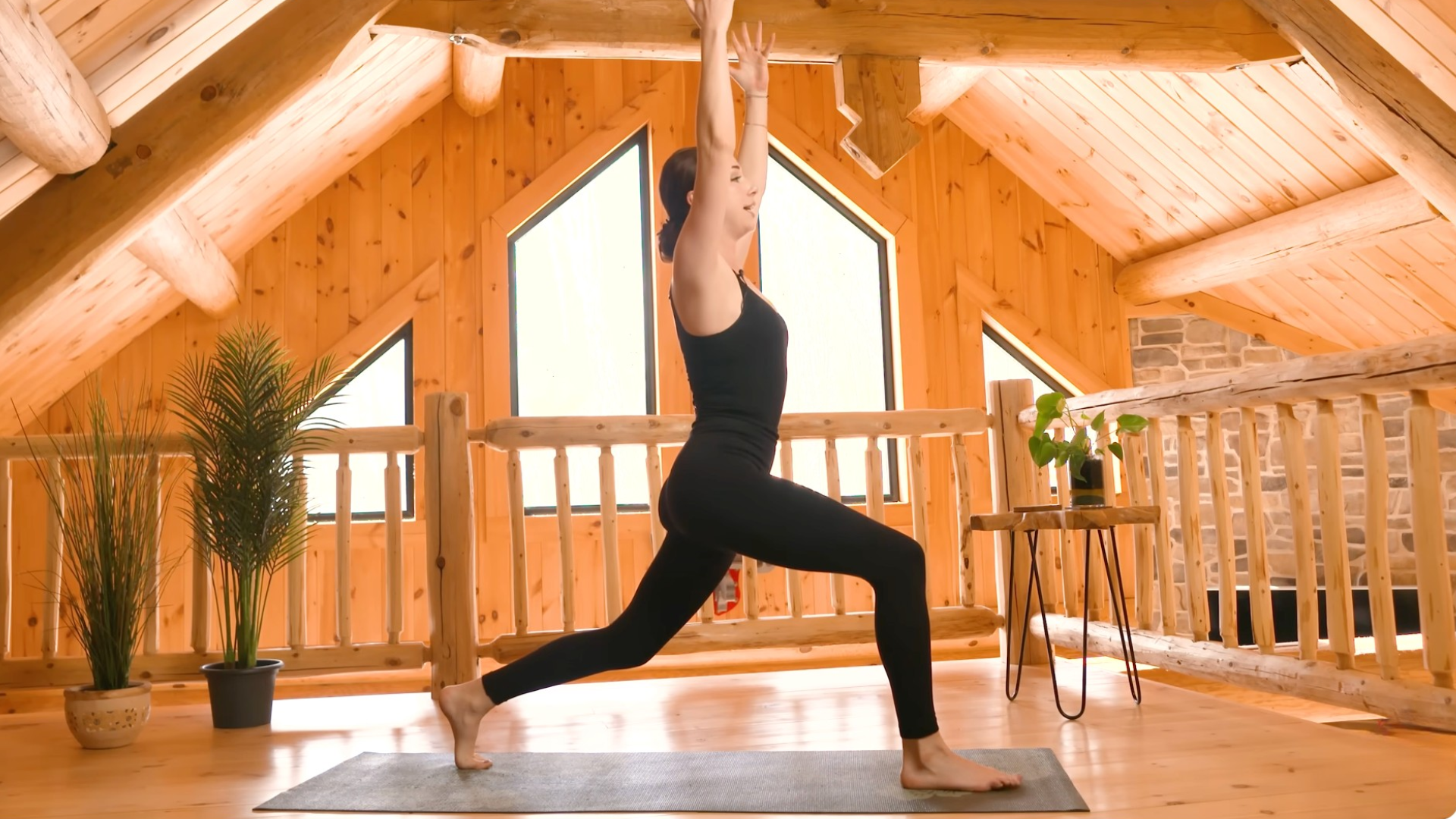
6. The Standing Sequence: High Lunge and Chair Pose
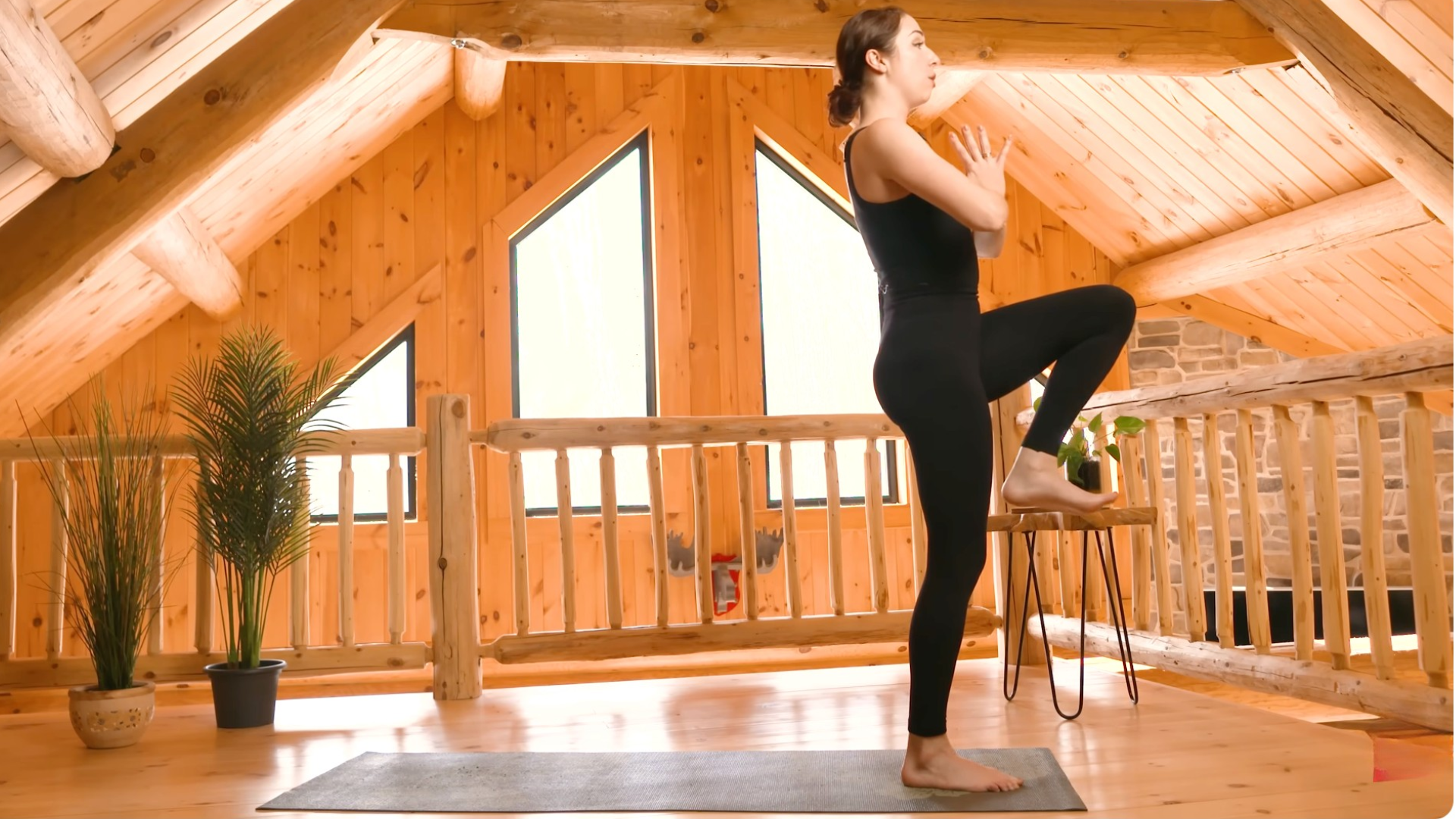
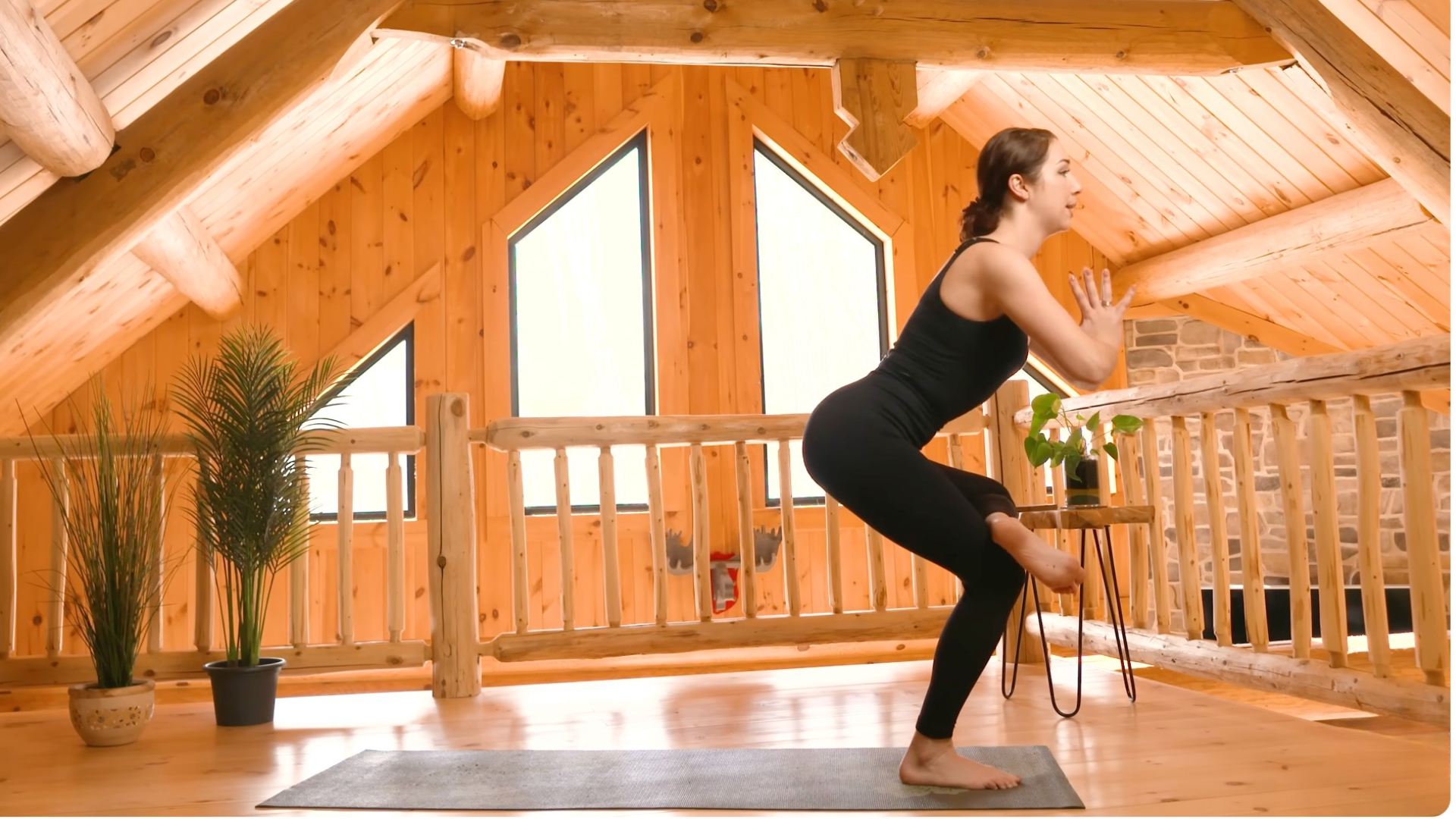
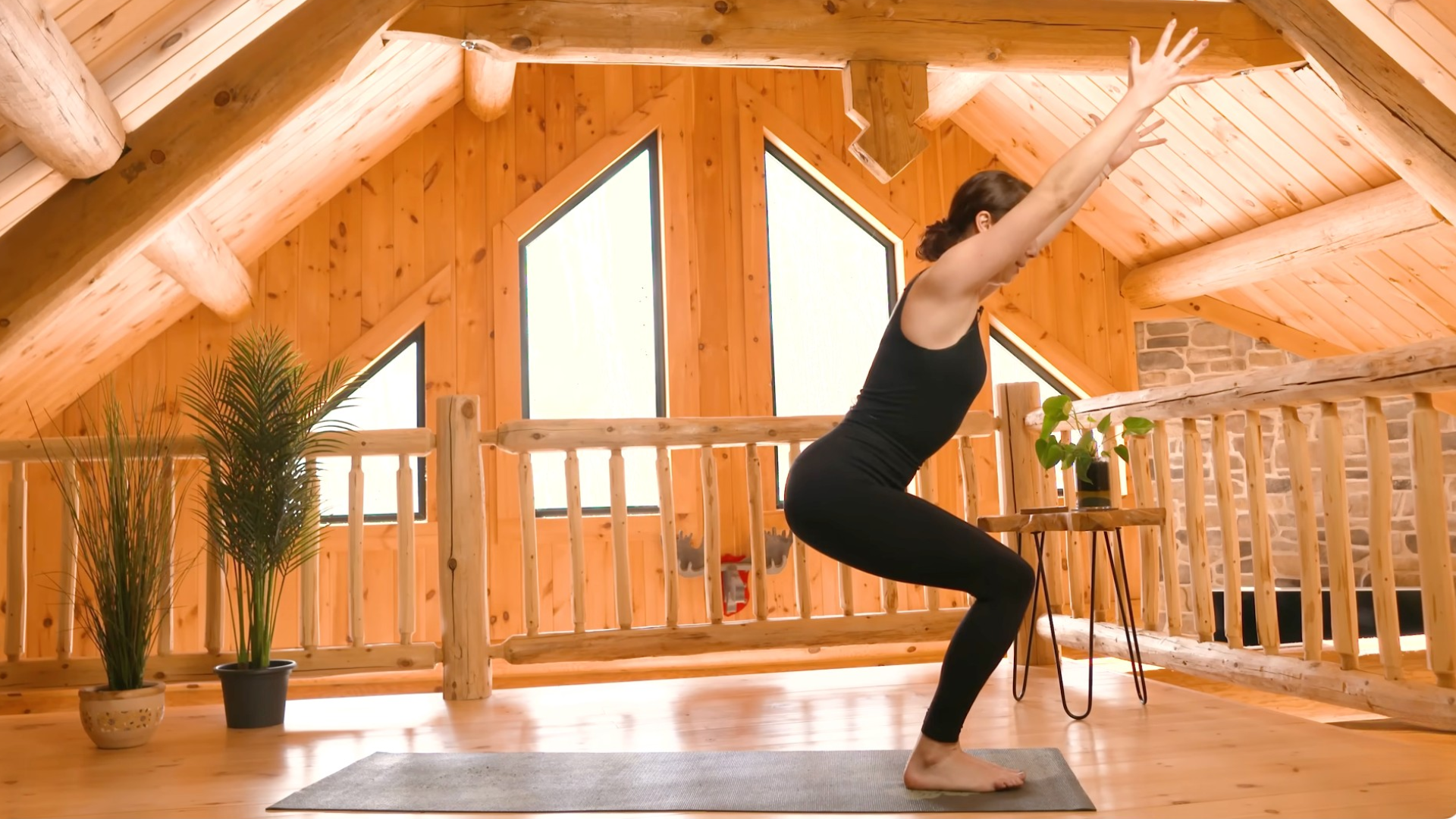
The practice shifts to a standing orientation to build endurance. The High Lunge works the lower body and core, while Chair Pose (Utkatasana) generates internal heat and awakens the glutes and quadriceps. These poses are designed to energize the practitioner, providing a sense of physical alertness for the day ahead.
7. Closing: Seated Forward Bends and Twists
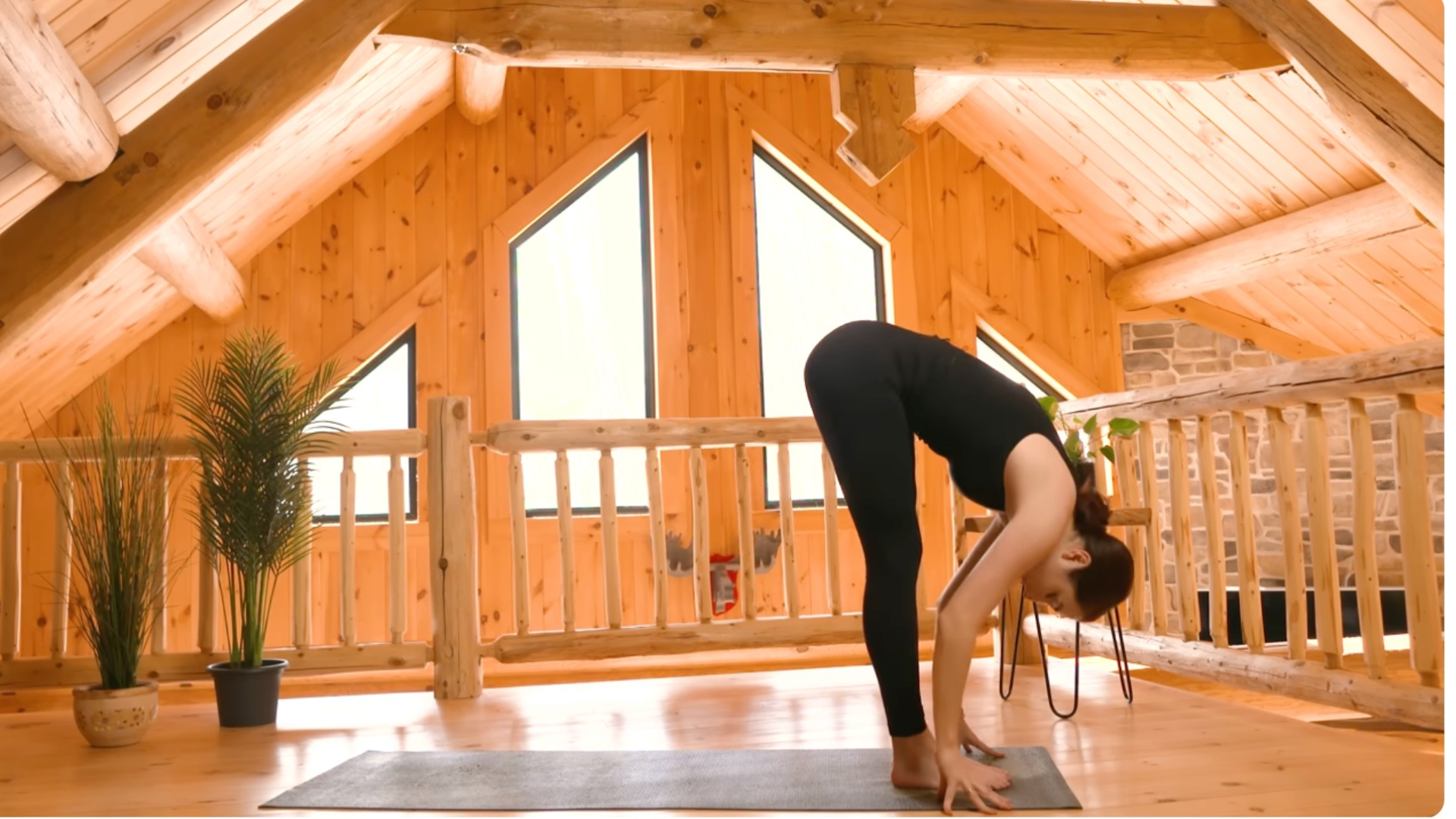
The final phase focuses on cooling down. Seated forward bends and spinal twists serve to wring out tension and reset the spine. Unlike more strenuous practices that conclude with a lengthy Savasana, this routine opts for a one-minute seated meditation, ensuring the practitioner remains alert and ready to engage with their daily responsibilities.
Supporting Data: The Science of Morning Movement
The effectiveness of this 10-minute routine is backed by emerging trends in movement science. According to recent fitness research, "micro-dosing" exercise—performing short, consistent bouts of activity—can be as effective for long-term health as singular, hour-long sessions.
- Reduced Cortisol: Morning movement, particularly when paired with intentional breathing, helps regulate the body’s cortisol levels, preventing the "morning spike" of stress that many office workers experience.
- Cognitive Priming: The focus required to balance in poses like the Bird Dog or the Side Plank variation acts as a form of "moving meditation," which has been shown to increase focus and cognitive clarity throughout the working day.
- Joint Lubrication: Movement stimulates the production of synovial fluid, which lubricates the joints and reduces the sensation of "morning stiffness."
Expert Perspectives and Professional Guidance
Instructors emphasize that this sequence is not about "perfection," but rather about "presence." In a professional interview, leading experts in the field noted that the most significant hurdle for beginners is the psychological pressure to perform poses exactly like an instructor.
"The goal of this sequence," one expert noted, "is to meet your body where it is today. You are not the same person you were yesterday. If your hamstrings feel tight, bend your knees. If your balance feels off, use the modifications. The mat is a mirror, not a courtroom."
The inclusion of specific affirmations, such as "I am calm and centered," serves as a tool for psychological anchoring. By linking a physical sensation with a mental cue, practitioners create a "neurological bridge" that they can access during high-stress moments later in the day.
Implications for Daily Life
The implications of adopting a 10-minute morning yoga habit extend far beyond the physical benefits of improved posture or flexibility.
Managing Workplace Stress
For the modern professional, the transition from sleep to work is often abrupt. By carving out a space for movement before checking emails or social media, the practitioner creates a "buffer zone." This allows for a proactive rather than reactive mindset, significantly reducing the likelihood of workplace burnout.
Building Sustainability
The biggest failure point in wellness routines is the lack of sustainability. By keeping the practice to 10 minutes and requiring no props other than a mat, the sequence removes the "friction" that causes people to quit. It is designed to be doable on a busy Monday morning just as easily as on a relaxed Saturday.
Long-term Health Outcomes
Consistent, low-impact movement is a cornerstone of longevity. By maintaining mobility in the spine and hips, practitioners are effectively "future-proofing" their bodies against the chronic pain associated with sedentary lifestyles.
Final Thoughts: Making the Practice Your Own
Ultimately, this 10-minute guide is an invitation to reclaim your morning. It is a reminder that you do not need an hour in a studio or expensive equipment to cultivate a deeper relationship with your body.
As you progress, you may find yourself adding longer holds, incorporating more challenging variations, or extending the meditation portion. That is the beauty of a personal practice: it evolves as you do. For now, simply showing up, breathing through the movements, and repeating the mantra—I am calm, I am focused, I am centered—is enough. Your practice belongs to you, and it begins the moment you unroll your mat.