










By Rachael Robertson, Enterprise & Investigative Writer, MedPage Today
July 21, 2026
In a landmark study that shifts the paradigm of maternal health, researchers have uncovered a profound link between adverse pregnancy outcomes and the development of peripheral artery disease (PAD) decades later. The study, published in PLOS Medicine, indicates that common pregnancy complications—often dismissed as temporary physiological stresses—serve as vital, long-term markers for vascular health, potentially identifying women at risk for cardiovascular disease long before traditional symptoms emerge.
Main Facts: The Vascular Legacy of Pregnancy
The study, which analyzed a massive cohort of over 2.2 million women in Sweden, found that five major pregnancy complications are independently associated with a significantly heightened risk of developing PAD later in life.
The complications identified include preterm delivery, infants born small for gestational age (SGA), preeclampsia, other hypertensive disorders of pregnancy, and gestational diabetes. The findings suggest that these complications are not merely isolated obstetric events but are indicative of shared underlying vascular pathways that predispose women to systemic arterial damage.
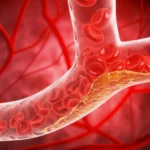
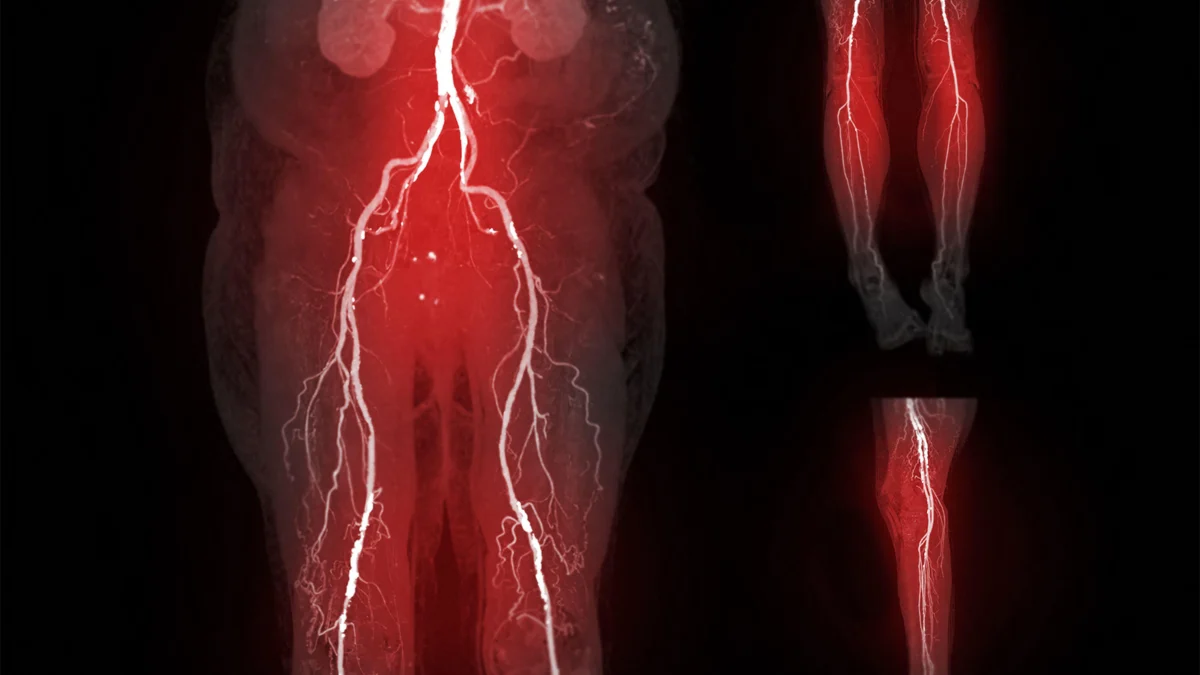
For many women, these complications occur in their 20s or 30s, yet the consequences—manifesting as the narrowing of arteries that reduces blood flow to the limbs—often do not surface until the patient is in her 50s or 60s. This "vascular memory" suggests that the physiological challenges of pregnancy act as a stress test for the cardiovascular system, revealing vulnerabilities that would otherwise remain hidden until a later, more dangerous stage of life.
Chronology of Risk: From Delivery to Mid-Life
The research team, led by Dr. Casey Crump of the University of Texas Health Science Center in Houston, tracked the medical history of 2,201,446 women who had a singleton delivery between 1973 and 2015. By following these women for up to 46 years, researchers were able to map the emergence of PAD across different stages of life.
Early Detection (Within 10 Years)
Within the first decade following a delivery, the correlation between pregnancy complications and PAD was already apparent, though limited to specific conditions. During this early window, the relative rate of PAD was:
- 2.0-fold higher for women with a history of preterm delivery.
- 1.8-fold higher for those who experienced gestational diabetes.
- 1.5-fold higher for those who delivered infants small for gestational age.
Long-Term Manifestation (30 to 46 Years Post-Delivery)
As the cohort aged, the cumulative impact of these complications became significantly more pronounced. At the 30 to 46-year mark, the elevation in risk reached staggering levels:
- Gestational Diabetes: 3.8-fold increase.
- Small for Gestational Age: 1.7-fold increase.
- Preterm Delivery: 1.6-fold increase.
- Other Hypertensive Disorders: 1.6-fold increase.
- Preeclampsia: 1.3-fold increase.
The study highlights that women who experienced multiple adverse outcomes faced an even greater cumulative risk, suggesting that the "dosage" of pregnancy-related vascular stress directly correlates with the severity of future arterial disease.
Supporting Data and Methodology
The strength of this study lies in its scale and the rigor of its statistical controls. Utilizing the Swedish Medical Birth Register, the researchers were able to cross-reference pregnancy outcomes with the Swedish Hospital Register and primary care records, identifying 13,211 cases of PAD over more than 54 million person-years of follow-up.
A critical component of the research was the "co-sibling analysis." By comparing sisters within the same families, the researchers aimed to disentangle whether these risks were purely genetic or environmental. The results indicated that the findings remained robust even when controlling for shared family factors, suggesting that the pregnancy complications themselves—rather than just a family history of heart disease—are a primary driver of the observed PAD risk.
While the study is robust, the authors acknowledged specific limitations. The cohort was predominantly Swedish, which may limit the generalizability of the findings to more diverse global populations. Additionally, the researchers noted that because outpatient diagnostic codes for PAD were not widely available in the registry until 2001, the incidence of PAD in the earlier years of the study may be underreported, potentially making the current findings a conservative estimate of the true risk.
Official Responses and Clinical Perspectives
Dr. Casey Crump emphasized that these findings necessitate a fundamental change in how obstetric and primary care physicians interact with patients.
"Despite being clinically distinct outcomes, each was independently linked with higher long-term risk of PAD, suggesting shared underlying vascular pathways," Dr. Crump stated. "The fact that this risk was detectable up to 46 years after delivery is also important—it suggests that pregnancy complications can serve as an early marker of vascular risk decades before PAD would often be considered or screened for."
The medical community has long recognized that preeclampsia and gestational diabetes increase the risk of myocardial infarction and stroke. However, this study bridges a significant gap in the literature regarding PAD. By identifying these women early, clinicians have a unique window of opportunity to intervene. Dr. Crump advocates for a shift toward "lifelong clinical follow-up," where a history of pregnancy complications is treated with the same diagnostic weight as smoking or hypertension when assessing a patient’s cardiovascular profile.
Implications for Future Healthcare
The implications of this study are far-reaching, calling for a "vascular-centric" approach to post-pregnancy care.
1. Reclassifying Maternal History
Medical records should formally incorporate pregnancy history into cardiovascular risk calculators. Currently, many standard screening tools for heart disease focus on age, cholesterol, and blood pressure. Adding obstetric history could provide a more accurate, personalized risk assessment for women, potentially leading to earlier initiation of preventive therapies like statins or aggressive lifestyle modifications.
2. A Call for Longitudinal Screening
Because PAD often presents with vague symptoms like leg pain or cramping—which are frequently misattributed to age or arthritis—women with a history of pregnancy complications should be encouraged to undergo earlier and more frequent screening. This is particularly crucial as the study notes that the cohort was relatively young; as these women enter their 70s and 80s, the incidence of PAD is expected to rise further.
3. Shared Biological Pathways
The study suggests that pregnancy acts as a "natural stress test." If a woman’s body struggles to maintain homeostasis during the high-demand state of pregnancy, it is likely that her vascular system is inherently more susceptible to the wear and tear of aging. Future research is needed to determine the exact biological mechanisms—whether they involve inflammation, endothelial dysfunction, or metabolic changes—that link these early-life events to late-life arterial narrowing.
4. Patient Empowerment
For women who have experienced these complications, the message is not one of alarm, but of awareness. Recognizing that their pregnancy history is a risk factor allows patients to advocate for their own health. By discussing these past complications with their primary care physicians or cardiologists, women can ensure that their long-term health is being monitored with the appropriate level of vigilance.
Conclusion: A New Era of Preventative Care
"All major adverse pregnancy outcomes should now be recognized as long-term risk factors for PAD," the authors concluded. This study serves as a clarion call to bridge the gap between obstetric care and long-term cardiovascular medicine. By treating the maternal history as a diagnostic window, the healthcare system can move toward a more proactive model, potentially preventing thousands of cases of debilitating vascular disease through timely intervention, education, and dedicated follow-up care.
As we look toward the future of preventive cardiology, the evidence is clear: the health of the mother, long after the delivery room, remains a critical pillar of cardiovascular longevity.