












By Healthcare Dive Staff
Published July 22, 2026
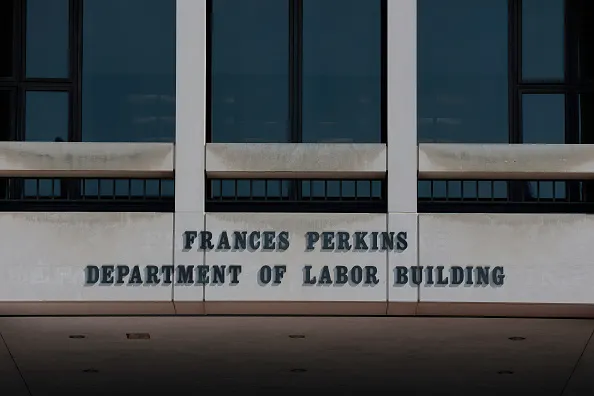
In a move aimed at streamlining administrative burdens and aligning federal regulations with the digital age, the U.S. Department of Labor (DOL) unveiled a proposed rule on Wednesday that promises to fundamentally alter how group health plans communicate with their members. The proposal seeks to modernize the electronic delivery standards for disclosures mandated under the Employee Retirement Income Security Act (ERISA), a regulatory framework that has remained largely stagnant for over two decades.
The initiative, characterized by DOL officials as a "big step forward," is designed to transition the insurance industry away from its reliance on physical, paper-based communications. By creating a new safe harbor for electronic distribution, the DOL intends to improve the accessibility, security, and efficiency of information flow between health plans and the 134 million Americans currently enrolled in ERISA-covered plans.
Main Facts: The Shift to Digital Compliance
The core of the proposal centers on updating the "wired at work" doctrine, which has governed ERISA disclosures since 2002. Under current regulations, electronic delivery of mandatory notices is restricted primarily to individuals who are "wired at work"—meaning they have access to an employer-provided computer and email—or those who have provided explicit, affirmative consent.
This antiquated standard has effectively excluded millions of Americans from the benefits of digital communication, particularly those in remote, mobile, or non-office-based roles. The new rule would establish a robust safe harbor, permitting plans to utilize modern electronic media, such as dedicated member portals and secure email, as the primary method of delivering critical plan information.
Crucially, the proposal does not mandate a digital-only approach. Recognizing that many consumers still prefer traditional correspondence or may face barriers to digital access, the rule preserves the right of participants to request and receive physical, paper disclosures upon demand.
Chronology: A Long-Overdue Regulatory Update
The path to this proposal has been marked by a gradual shift toward digital integration across the federal government.
- 2002: The current ERISA electronic delivery rules are finalized, predating the ubiquity of smartphones and high-speed home internet.
- 2020: The DOL takes its first significant step toward modernization by updating electronic delivery rules for retirement plans, successfully demonstrating the efficiency of digital communication in a benefits context.
- Summer 2025: The second Trump administration launches a "health tech ecosystem" initiative, bringing hundreds of private-sector firms together to standardize data exchange protocols and expand patient access via mobile applications.
- July 22, 2026: The DOL officially releases the proposed rule for ERISA-covered group health plans, aiming to mirror the success seen in the retirement sector while addressing the specific challenges of the healthcare insurance landscape.
Supporting Data: The Case for Efficiency
The economic argument for the rule change is compelling. According to DOL estimates, group health plans currently generate and mail up to 11 billion sheets of paper annually. This massive logistical undertaking is not only environmentally impactful but also fiscally burdensome.
Regulators project that the shift to an electronic-first model could save the insurance industry approximately $3.9 billion over the next decade. These savings are derived from the elimination of printing, postage, and handling costs. By reducing the administrative overhead associated with manual documentation, the DOL believes that insurers and employers can redirect resources toward improving plan offerings and member services.
The scope of this impact is vast. The regulation applies to more than 2.7 million ERISA-covered plans across the United States. While the DOL has not provided a firm estimate on the exact number of individuals who will transition from paper to digital notice receipt, the scale of the 134-million-participant pool suggests a transformative impact on the industry’s operational footprint.

Official Responses and Industry Sentiment
The proposal has been met with measured optimism from stakeholders who view the update as a necessary correction to outdated bureaucratic hurdles.
"It’s a win for participants and beneficiaries, a win for employers, a win for efficiency," said a DOL spokesperson, emphasizing that the rule balances the need for technological progress with the protection of consumer rights.
The industry at large has signaled support, as private insurers have already been moving toward app-based engagement platforms. Major players, including CVS and other national carriers, have recently launched health engagement platforms designed to centralize member data—such as claims history, provider directories, and digital insurance cards—in one location. The DOL’s proposal acts as a regulatory tailwind for these existing efforts, providing the legal clarity needed to make digital platforms the central hub for the consumer-insurance relationship.
Implications: The Broader Health Tech Ecosystem
The implications of this rule extend far beyond simple mailing costs. By normalizing electronic interaction, the DOL is fostering a more cohesive "health tech ecosystem."
Improving Public Sentiment
The healthcare industry is currently grappling with declining public trust, largely driven by the rising cost of care, complex billing processes, and difficulty in accessing in-network providers. A major contributor to this frustration is the "fragmented" nature of plan information. When a beneficiary receives a confusing paper document by mail, the time lag and lack of context often lead to increased inquiries, frustration, and eventual disengagement.

By pushing for digital portals, the industry aims to provide:
- Real-time updates: Immediate notification of plan changes or coverage updates.
- Interactive support: Direct access to member support via chat or secure messaging.
- Clarity: A more user-friendly interface that allows consumers to visualize their benefits, deductibles, and claims status.
Security and Accessibility
While the shift to digital is often viewed through the lens of convenience, the DOL has stressed that security remains a top priority. The proposed rule outlines specific standards for electronic delivery, ensuring that sensitive personal health information (PHI) remains protected while remaining accessible to the participant.
As the digital transformation of healthcare continues, the DOL’s move signals a broader transition toward a patient-centric, technology-enabled environment. By removing the regulatory barriers to e-delivery, the federal government is encouraging a standard of communication that aligns with the way modern consumers live, work, and manage their health.
The Road Ahead
The proposal will now enter a period of public comment, where industry groups, consumer advocates, and employer organizations will have the opportunity to weigh in on the specifics of the transition. The ultimate success of the rule will depend on the industry’s ability to implement secure, intuitive, and truly accessible digital portals that ensure no beneficiary is left behind during this technological pivot.
If finalized, the rule will likely serve as a catalyst for further innovation in the benefits space. As insurers compete for members, the ease of digital interaction—facilitated by this new regulatory environment—may become a key differentiator in the market, ultimately benefiting the millions of Americans who rely on ERISA-covered plans for their health and well-being.