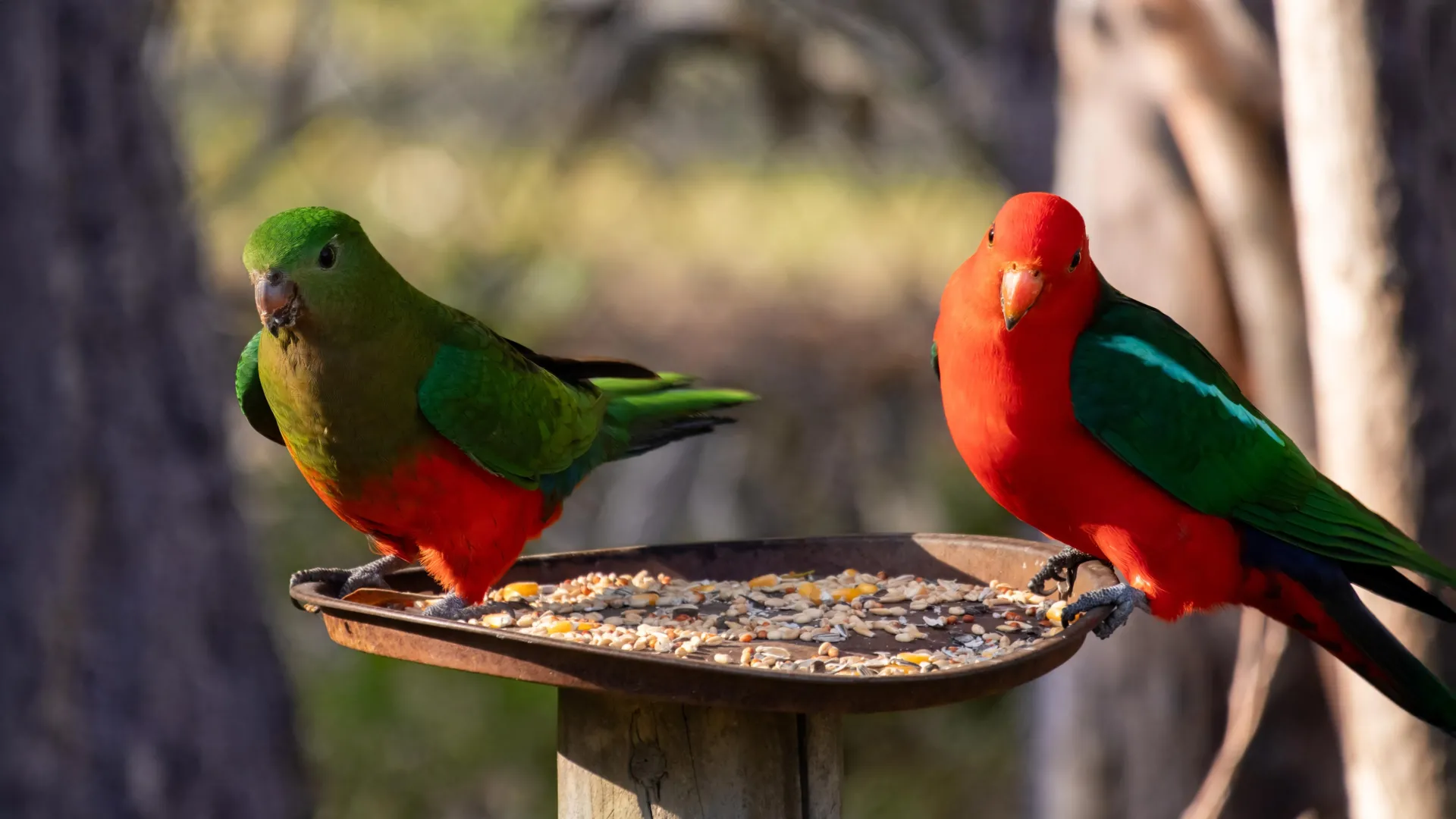
For millions of Australians, the rhythmic flutter of wings and the chirping of visitors on the balcony provide a vital, daily connection to nature. Backyard bird feeding is a cornerstone of Australian domestic life, with research indicating that nearly half of all households engage in the practice. However, as the H5N1 strain of highly pathogenic avian influenza (HPAI) continues its alarming march across the continent, this beloved pastime is facing intense scrutiny from biologists and biosecurity experts alike. What was once considered a benign act of kindness is now being viewed as a potential catalyst for a "superspreader event" that could have catastrophic consequences for biodiversity.
The Main Facts: An Unprecedented Biosecurity Challenge
The H5N1 virus is not merely another seasonal ailment; it is a global ecological disruptor. Having decimated wild bird populations across the Northern Hemisphere, the virus has now firmly established itself in the Australian landscape. The recent discovery of over 1,000 dead crested terns—a mass mortality event of staggering proportions—coupled with the first confirmed H5N1 infection in a mainland mammal, a long-nosed fur seal, has sounded an urgent alarm.
At its core, the danger of backyard feeding lies in the artificial concentration of species. In a natural environment, birds are dispersed across the landscape. When humans introduce feeders, we create "transmission hotspots." These hubs bring together diverse species—many of which would never naturally interact—in a confined space, facilitating the rapid exchange of pathogens. If a single infected bird visits a feeder, it can leave behind viral particles in saliva, feces, or nasal secretions, effectively turning a backyard oasis into a death trap for the next visitor.
A Chronological Descent: How We Reached This Point
The progression of H5N1 in Australia has been rapid and sobering. While Australia remained isolated from the worst of the global pandemic for a significant period, the inevitable breach occurred as migratory patterns shifted and the virus found new vectors.
- Early Detection: Initial concerns were raised as global data showed the virus jumping species barriers, moving from poultry to wild waterfowl, and eventually to apex predators and marine mammals.
- The Incursion: Reports of unusual bird deaths began to surface in coastal areas. Scientists monitored the spread as the virus moved through avian populations, identifying specific hotspots where mortality rates spiked.
- The Mammalian Threshold: The recent death of a long-nosed fur seal served as a grim milestone. It confirmed that the virus is not just a threat to avian life, but a broader risk to the entire food chain, including mammals that scavenge on carcasses.
- The Current State: We are currently in a phase of active surveillance. Every mass mortality event is now subject to rigorous testing, and public health officials are working overtime to map the spread of the virus across the mainland.
Supporting Data: Why "Help" Can Be Harmful
The common assumption among bird enthusiasts is that they are providing a life-saving resource. However, scientific literature suggests otherwise. Research into avian nutrition indicates that the vast majority of birds visiting feeders obtain their core sustenance from natural sources like insects, seeds, and nectar. The food provided by humans is often nutritionally inferior and serves more as a "snack" than a necessity.
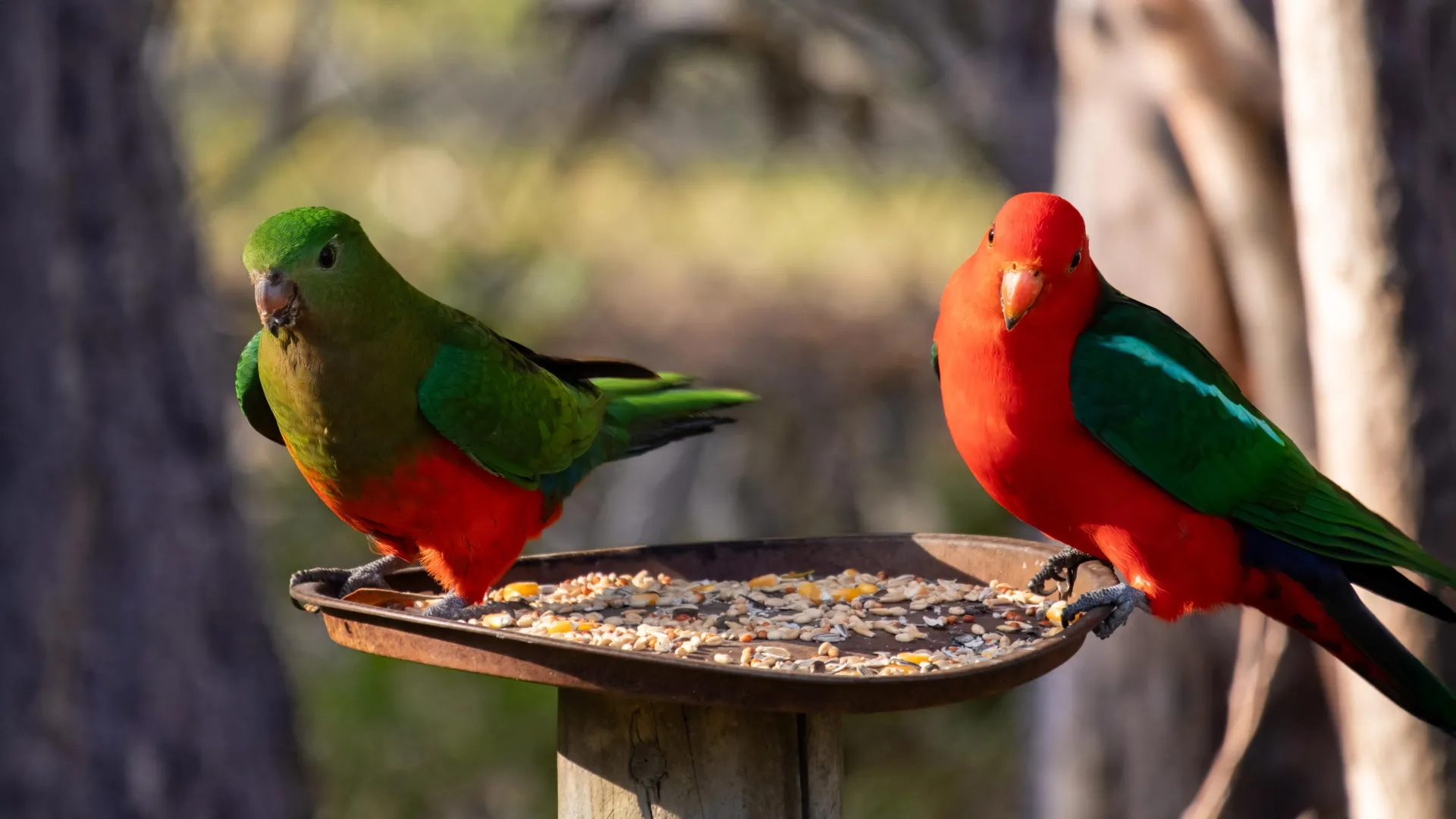
Furthermore, the behavioral impacts are significant. When birds become dependent on human-provided food, their natural foraging instincts can wane, and they lose the essential wariness required to avoid predators. From a disease perspective, the density of birds at feeders is the primary metric of risk. Mathematical models of disease transmission show that the probability of an outbreak increases exponentially with the number of individuals congregating in a single area. By maintaining these high-density feeding stations, well-meaning Australians are inadvertently facilitating the spread of H5N1 at a scale that could threaten already endangered species, such as the orange-bellied parrot.
The Ecological and Human Implications
The implications of an unchecked H5N1 outbreak are profound. While the immediate focus is on avian mortality, the virus is a generalist pathogen. Scavenger species—such as foxes, possums, and crows—are at extreme risk. When these animals consume the remains of an infected bird, they become potential hosts and vectors, moving the virus further inland and into different ecosystems.
For humans, the risk is currently categorized as low, but it is not zero. Wildlife carers, veterinarians, and those in direct, frequent contact with animals face the highest exposure. While human infections have historically been rare and often limited to mild respiratory symptoms, the potential for viral mutation remains a major concern for global health organizations. The "One Health" approach—which recognizes that human, animal, and environmental health are inextricably linked—is the only way to frame this crisis. Protecting the birds is, in a very real sense, a strategy for protecting ourselves.
Official Responses and Strategic Guidance
Government agencies and conservation groups have moved from suggesting caution to recommending a proactive reduction in feeding activities. The consensus among experts is clear: if you wish to protect the wildlife you love, the most effective action is to cease feeding.
If individuals feel they cannot stop immediately, there is a "harm reduction" framework that must be strictly followed. This is not a suggestion, but a requirement for those who wish to mitigate their impact on the environment:
- Drastic Reduction in Volume: By providing significantly less food, you discourage large groups of birds from gathering. Smaller numbers mean less social interaction and a lower probability of cross-contamination.
- Eliminate Direct Contact: Hand-feeding must cease entirely. It represents the highest risk of zoonotic transfer. The intimacy of this interaction is a relic of a pre-pandemic landscape; in the current climate, it is a liability.
- Sanitation Protocols: If you continue to maintain a feeder, it must be treated with the same level of cleanliness as a medical facility. Using domestic bleach to disinfect feeding surfaces and water bowls is non-negotiable. If you cannot commit to daily, thorough cleaning, the feeder must be removed.
Conclusion: A Shift in Responsibility
The current H5N1 crisis represents a turning point in our relationship with the natural world. For years, we have viewed our backyards as private sanctuaries where we can exert control and express affection for nature. But the landscape has changed. We are now part of a global, interconnected biological network where our local actions have far-reaching consequences.
Giving up the joy of a full bird feeder is a small price to pay for the preservation of our native wildlife. As we navigate the coming months, the priority must be to reduce the density of our avian visitors and prioritize the long-term resilience of our ecosystems over the short-term pleasure of backyard observation.
Emergency Procedures
If you encounter sick or deceased birds or marine mammals, do not approach them. The virus is resilient and can survive in the environment. Follow these steps:
- Record: Note the exact location and time of the sighting.
- Document: Take photographs from a safe distance, if possible.
- Isolate: Ensure pets and children are kept far away from the area.
- Report: Contact the Emergency Animal Disease Hotline at 1800 675 888 immediately. Your report is a vital piece of the puzzle in Australia’s national defense against this outbreak.