








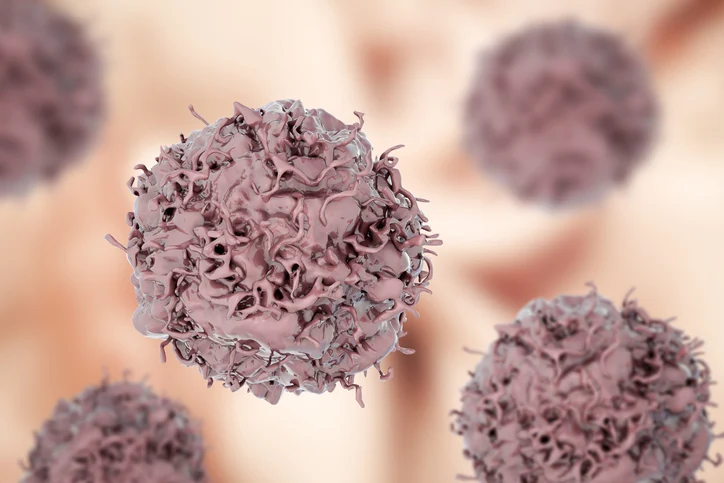
In a strategic milestone that signals the rapid integration of its recent $10.6 billion acquisition of Nuvalent, GSK has received early FDA approval for Jideytro (zidesamtinib). The regulatory win, granted well ahead of the anticipated September 18 deadline, marks GSK’s inaugural entry into the lung cancer market—a critical therapeutic area that the pharmaceutical giant has identified as a pillar for its long-term growth.
Jideytro is a next-generation oral small molecule designed to inhibit the ROS1 protein, a known driver of non-small cell lung cancer (NSCLC). By successfully bringing this asset to market shortly after closing its acquisition of Nuvalent, GSK has demonstrated both the technical viability of its new pipeline and its operational agility in the high-stakes oncology sector.
The Clinical Landscape: Addressing ROS1-Positive NSCLC
Non-small cell lung cancer (NSCLC) remains the most common form of lung cancer globally, with approximately 50,000 patients diagnosed annually with ROS1-positive variations. The ROS1 protein is a catalyst for cellular growth; when genetic alterations occur, it drives the aggressive, uncontrolled division of cancer cells.
Existing standards of care, such as Pfizer’s Xalkori and Roche’s Rozlytrek, have provided foundational treatment options. However, as the medical community has learned, cancer is a moving target. Patients frequently develop resistance to these initial therapies, and the disease’s propensity to metastasize to the brain presents a significant clinical barrier. While Bristol Myers Squibb’s Augtyro, approved in 2023, offered a breakthrough by penetrating the blood-brain barrier, the emergence of Jideytro provides a new, highly selective tool for patients who have exhausted other options.
GSK’s Jideytro is specifically indicated for patients with ROS1-positive NSCLC who have been previously treated with a ROS1 inhibitor. Its design—characterized by high selectivity and the ability to cross the blood-brain barrier—is intended to address both systemic tumor growth and the dangerous development of brain metastases.
Chronology: From Acquisition to Approval
The journey of Jideytro from a promising candidate to an FDA-approved medicine has been marked by rapid corporate and regulatory maneuvering:
- June 2026: GSK announces a massive $10.6 billion acquisition of Nuvalent, a biotech firm specialized in designing small-molecule inhibitors that target specific mutations while minimizing off-target toxicities.
- August 2026: The acquisition deal officially closes, transitioning the ownership of Jideytro and its companion pipeline drug, neladalkib, to GSK.
- August 2026: The FDA grants early approval for Jideytro, outpacing the PDUFA (Prescription Drug User Fee Act) date of September 18.
- Late 2026 and Beyond: GSK shifts focus to ongoing clinical trials evaluating Jideytro as a first-line therapy, while preparing for the November 27 FDA decision regarding neladalkib.
Supporting Data: Efficacy and Safety Profiles
The regulatory submission for Jideytro was underpinned by data from the Phase 1/2 ARROS-1 clinical trial. The study, which utilized a single-arm design, focused on patients with heavily pre-treated, ROS1-positive NSCLC.
Clinical Efficacy
The trial reported an objective response rate (ORR) of 44% in the overall patient population. For a cohort that had already failed to respond to—or developed resistance against—previous generations of ROS1 inhibitors, this result is considered a meaningful clinical outcome. The drug’s ability to remain effective in the presence of various resistance mutations underscores its value as a “next-generation” inhibitor.
Safety and Tolerability
As with many targeted kinase inhibitors, Jideytro is not without side effects. During clinical testing, the most frequently reported adverse reactions included:
- Fluid retention (edema)
- Peripheral neuropathy
- Constipation
- Fatigue
- Shortness of breath
Despite these side effects, the clinical community views the drug as a viable advancement. Dr. Alexander Drilon of Memorial Sloan Kettering Cancer Center, an investigator for the ARROS-1 trial, emphasized that the data represents tangible progress. "Despite advances in treatment, resistance mutations, disease progression in the brain, and treatment-related adverse events continue to create challenges for patients," Dr. Drilon stated. "The responses observed in ARROS-1, including in heavily pre-treated patients, represent meaningful progress for people living with this disease."
Official Responses and Strategic Implications
The acquisition of Nuvalent represents a major pivot for GSK, which has spent years attempting to move beyond its historical reliance on respiratory and HIV medicines.
GSK’s Oncology Strategy
GSK is currently managing a multi-pronged oncology portfolio. Jemperli, an antibody approved for endometrial cancer, serves as the current anchor of its cancer business, with recent positive data in rectal cancer expanding its potential reach. Simultaneously, the company is revitalizing Blenrep for multiple myeloma and investing heavily in antibody-drug conjugates (ADCs) through partnerships with companies like Hansoh Pharma.
When asked about the immediate steps following the approval of Jideytro, a GSK spokesperson noted that the company is collaborating closely with the former Nuvalent team to ensure supply chain readiness and accessibility for patients. While GSK has not yet disclosed the wholesale acquisition cost or pricing for the drug, the focus remains on capturing the market segment of patients who have no remaining standard-of-care options.
Implications for the Competitive Landscape
The arrival of Jideytro places additional pressure on incumbent manufacturers in the ROS1 space. As GSK gains experience in the lung cancer segment, the competitive dynamics between GSK, Pfizer, and Roche will likely intensify. Furthermore, with the FDA decision for neladalkib (a treatment for ALK-altered NSCLC) looming in late November, GSK is poised to become a dominant player in the lung cancer precision medicine space within a single calendar year.
Looking Ahead: The Future of GSK Oncology
The successful approval of Jideytro serves as a litmus test for GSK’s $10.6 billion investment. By securing a therapy that addresses resistance—the primary "enemy" in oncology—GSK has signaled that it is no longer content with "me-too" drugs. Instead, it is betting on high-precision molecules that offer distinct advantages in pharmacokinetics and mutation coverage.
The ongoing trials evaluating Jideytro as a first-line treatment are the next logical step. If the drug proves effective in newly diagnosed patients, it could challenge the current market leaders earlier in the treatment pathway, significantly increasing the drug’s total addressable market.
For patients and providers, the approval of Jideytro is more than a regulatory box-checking exercise. It is a reprieve for those struggling with the limitations of current inhibitors. As GSK integrates its new assets, the oncology landscape stands to benefit from a more diversified and technologically sophisticated arsenal of medicines.
Disclaimer: This article is for informational purposes only. Information regarding drug pricing and specific clinical trial results should be verified through official GSK investor communications and FDA regulatory filings.