











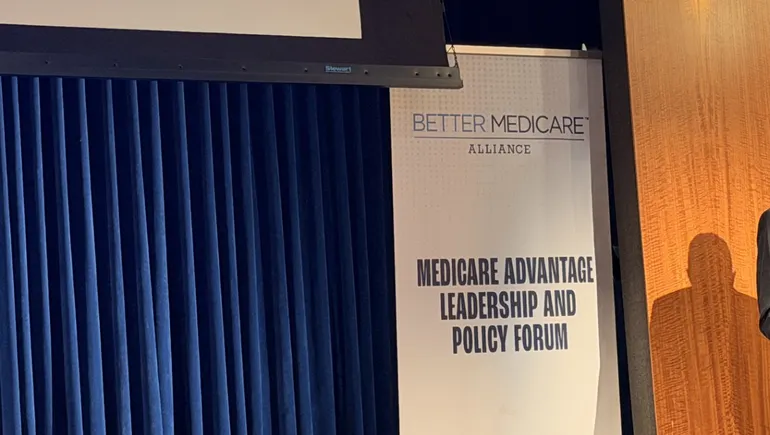
WASHINGTON — In a metaphor that underscored the delicate political tightrope currently being walked by the Centers for Medicare & Medicaid Services (CMS), Administrator Dr. Mehmet Oz recently likened the sprawling Medicare Advantage (MA) program to a garden. It is a garden, he suggests, that has been left to languish, its vitality choked by the invasive weeds of administrative overreach, profiteering, and systemic inefficiencies.
"We want to see Americans thrive in their old age, in a lush garden that sustains them," Dr. Oz remarked in a prerecorded address delivered Tuesday to the Better Medicare Alliance (BMA) in Washington, D.C. "Yet in recent years, our garden has laid vulnerable to weeds and overgrowth. For too long, patients have paid the price—both financially and physically."
This latest rhetoric signals a continued, albeit cautious, push by the Trump administration to exert greater oversight over the privatized Medicare sector. As the program faces mounting scrutiny for its ballooning costs and questionable billing practices, the White House finds itself in a classic Washington bind: how to curb industry excesses without alienating the millions of seniors who rely on the program, or the powerful corporate lobbyists who view any regulation as an existential threat to patient access.
The Landscape of Medicare Advantage: Success and Strain
Medicare Advantage, the privatized alternative to traditional Medicare, has become the dominant force in American senior healthcare. Currently, more than 35 million Americans—over half of the total Medicare population—have opted into MA plans. The appeal is straightforward: MA plans often offer lower upfront costs, annual out-of-pocket spending caps, and ancillary benefits that traditional Medicare generally lacks, such as dental care, vision services, gym memberships, and prepaid debit cards for groceries.
However, beneath this veneer of popularity lies a growing fiscal and operational crisis. Researchers and federal watchdogs have long argued that the government pays significantly more for an MA enrollee than it would for a comparable patient in traditional Medicare. According to recent projections, the U.S. government is expected to spend an estimated $76 billion more on MA this year than it would have under the traditional fee-for-service model.
Critics argue that this discrepancy is driven largely by "upcoding"—a practice where private insurers exaggerate the health conditions of their members to justify higher reimbursement rates from the federal government. Furthermore, the patient experience has been increasingly hampered by restrictive provider networks and the aggressive use of "prior authorization," a process that forces seniors to wait for insurance approval before receiving medically necessary care.
A Chronology of Conflict and Concession
The tension between the Trump administration and the insurance industry has been a defining feature of the current health policy landscape.
- Early 2025: The CMS proposed a flat payment update for MA plans, a move intended to reign in spending. However, the proposal was met with a "full-tilt" lobbying campaign from major insurers.
- Spring 2025: Succumbing to industry pressure, the CMS finalized significantly higher rates for 2027 than initially proposed. In a further concession, regulators stripped out proposed changes to how insurers calculate health risks, effectively protecting billions in potential revenue for the industry.
- Summer 2025: The administration rolled back the "star ratings" system for MA plans, reverting to a more generous, older version. This move, while criticized by reform advocates, was a major victory for insurers, ensuring higher quality bonuses.
- Late 2025: In a move that highlighted the administration’s unpredictable approach, the government decided to sunset a program designed to stabilize standalone Part D prescription drug premiums. While this was framed as a fiscal move, it ultimately granted MA plans a distinct competitive advantage over traditional Medicare.
- Present Day: CMS has begun to pivot toward stricter enforcement, increasing the frequency and depth of audits related to risk adjustment and overpayment, as led by Dr. Oz.
Supporting Data: The Case for Reform
The economic argument against the current trajectory of Medicare Advantage is rooted in cold, hard numbers. The Medicare Payment Advisory Commission (MedPAC) has repeatedly flagged that the current payment structure incentivizes insurers to game the system.
The "upcoding" phenomenon is not merely an accusation; it is a documented statistical reality. By inflating the severity of patient diagnoses, plans can shift a patient into a higher-paying "risk bracket" without a corresponding increase in the actual care delivered. This phenomenon has led to a persistent gap where the government pays for a "sicker" population than actually exists in practice.
"In Medicare Advantage, we’re paying the most per-beneficiary probably of any program in the world," noted John Brooks, the deputy administrator of the CMS and its Medicare director, during the recent BMA panel. "We want to make sure that we’re using taxpayer resources efficiently and being good stewards. One of the challenges over the last three to five years is that there’s been a crisis of confidence in Medicare Advantage. The goal is to restore confidence."
Official Responses: The Balancing Act
The rhetoric from the CMS leadership is a masterclass in political hedging. While Dr. Oz and John Brooks acknowledge the need to "weed the garden," they are simultaneously performing damage control for an industry that provides essential services to a key Republican voting bloc.
Industry leaders, represented by groups like the BMA, argue that any attempt to "curb" Medicare Advantage is, by definition, a "cut" to senior healthcare. By framing regulation as a reduction in benefits, insurers have successfully created a narrative that prevents the administration from implementing aggressive reforms.
President Trump’s own stance adds a layer of complexity to the situation. While he has publicly lambasted health insurers, calling them "money-sucking" entities during a high-profile appearance in November, his administration’s regulatory actions have often favored the industry. This bifurcation—harsh words in public, industry-friendly policy in private—reflects the administration’s awareness that a disruption to the MA market during a midterm election cycle could prove disastrous.
Implications for the Future of Senior Care
The implications of this tug-of-war are significant. For the 35 million seniors currently enrolled in Medicare Advantage, the status quo offers both the benefit of lower costs and the risk of increasingly restricted access to care.
The Regulatory Path Forward
The CMS is currently betting on a two-pronged strategy to address the "crisis of confidence":
- Increased Audit Intensity: By strengthening the Risk Adjustment Data Validation (RADV) audits, the agency hopes to claw back overpayments and deter future upcoding.
- Structural Guardrails: By tightening the rules on how plans calculate risk, the agency aims to ensure that payments more accurately reflect the health needs of the patient, rather than the profit margins of the insurer.
The Political Reality
However, the path to reform remains fraught with risk. The insurance industry’s deep pockets and powerful lobbying apparatus are already preparing for the next round of rule-making. As the October 15th open enrollment date approaches, the CMS will be under intense pressure to demonstrate that its "gardening" efforts are yielding results without causing the "lush garden" of benefits to wither.
If the administration fails to reign in costs, they face the wrath of fiscal hawks and taxpayers who see the $76 billion overpayment as a failure of stewardship. If they go too far, they risk the ire of seniors who have become accustomed to the "extra" benefits—like gym memberships and debit cards—that have become a staple of modern Medicare Advantage.
Ultimately, the administration’s strategy appears to be one of incrementalism. They are not looking to uproot the garden, but rather to prune the most egregious examples of waste, all while attempting to maintain the political capital of a program that has become the bedrock of American senior healthcare.
"We are stewards," Brooks concluded at the BMA event. "And being a steward means knowing when to nurture and when to prune." Whether this administration can successfully prune the industry without destroying the program remains the defining health policy question of the year.