










Introduction: A Strategic Expansion in Respiratory Care
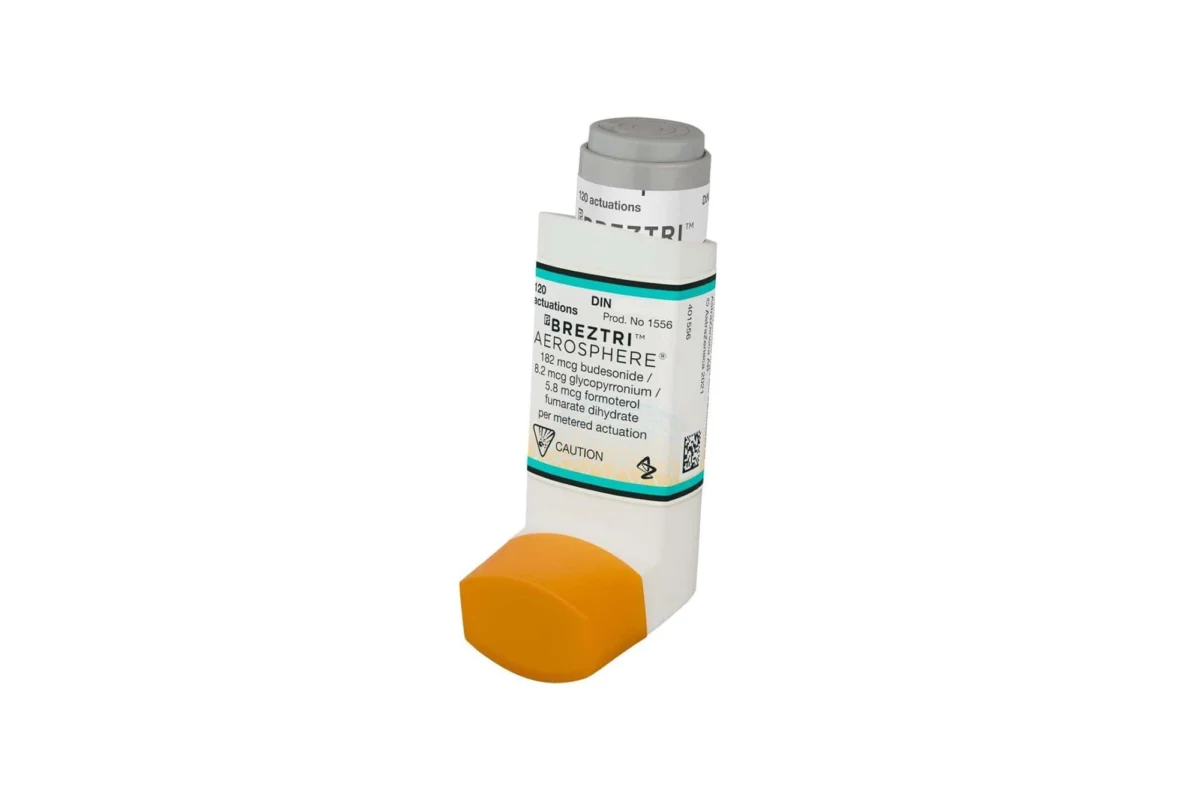
In a significant development for the respiratory health landscape, AstraZeneca has announced that its triple-combination therapy, Breztri Aerosphere, is now commercially available in the United States for the maintenance treatment of asthma. Approved by the U.S. Food and Drug Administration (FDA) in April 2026, the medication is now available by prescription for patients aged 12 and older.
This launch marks a critical milestone for AstraZeneca, expanding the utility of a therapy that has already established a footprint in the treatment of chronic obstructive pulmonary disease (COPD). By offering a three-in-one inhaler delivery system, the company aims to simplify treatment regimens for adolescents and adults, potentially improving adherence and long-term lung function outcomes.
The Core Components and Clinical Utility
Breztri Aerosphere (budesonide, glycopyrrolate, and formoterol fumarate) represents a sophisticated approach to chronic respiratory disease management. The inhaler utilizes a pressurized metered-dose inhaler (pMDI) platform, leveraging AstraZeneca’s proprietary Co-Suspension Technology.
The Three-in-One Mechanism
The therapeutic efficacy of Breztri Aerosphere is derived from its triple-action formula:
- Budesonide: An inhaled corticosteroid (ICS) that reduces inflammation in the airways, serving as the foundational treatment to prevent exacerbations.
- Glycopyrrolate: A long-acting muscarinic antagonist (LAMA) that relaxes the muscles around the airways to keep them open.
- Formoterol Fumarate: A long-acting beta2-agonist (LABA) that provides rapid and sustained bronchodilation.
It is imperative to note, however, that while Breztri is a potent maintenance therapy, it is not a rescue medication. It is not indicated for the relief of acute, sudden breathing problems, and patients are cautioned that it should not replace their prescribed short-acting rescue inhalers.
Chronology of Development and Regulatory Milestones
The journey of Breztri Aerosphere from clinical investigation to widespread availability has been marked by rigorous scientific evaluation.
- 2020: The COPD Milestone: Breztri Aerosphere first received FDA approval in 2020 for the maintenance treatment of patients with COPD, including chronic bronchitis and emphysema. This initial success provided the clinical foundation for the product’s safety profile.
- 2024–2025: Clinical Validation: AstraZeneca initiated the KALOS and LOGOS trials to investigate the efficacy of the triple-combination therapy specifically in the asthma population. These trials were designed to measure improvements in forced expiratory volume (FEV1), a standard metric for lung function.
- April 2026: FDA Approval: Following a comprehensive review of the Phase III trial data, the FDA granted approval for the indication of asthma maintenance in patients aged 12 and older, recognizing the therapy as a viable option for those who remain symptomatic despite dual-therapy regimens.
- Mid-2026: Commercial Launch: Following the regulatory green light, AstraZeneca moved into the commercialization phase, establishing supply chains and co-pay assistance programs to ensure broad patient access.
Supporting Clinical Data: The KALOS and LOGOS Trials
The FDA’s approval of Breztri for asthma was heavily predicated on the robust data generated from the KALOS and LOGOS Phase III trials. These studies were pivotal in demonstrating that the triple-combination therapy offered superior lung function outcomes compared to standard dual-combination therapies.
Trial Design and Methodology
The trials enrolled a broad, diverse population of patients, ranging from adolescents to older adults, who suffered from varying degrees of persistent asthma. The primary endpoint for these trials was the change from baseline in pre-dose trough FEV1.
Key Findings
- Enhanced Lung Function: Data indicated that the triple-combination significantly improved lung function in participants when compared to patients receiving only ICS/LABA (inhaled corticosteroid and long-acting beta2-agonist) dual therapies.
- Consistency Across Demographics: The trials showed that the benefits were consistent across age groups, reinforcing the appropriateness of the 12-and-older indication.
- Safety Profile: The trials confirmed that the safety profile of the triple combination remained consistent with the known safety data established during the drug’s development for COPD. Adverse events were consistent with those expected in patients using ICS/LABA/LAMA therapies.
Official Responses and Clinical Perspectives
The medical community has greeted the availability of Breztri with cautious optimism, noting that more options in the respiratory arsenal translate to better patient-centered care.
Expert Commentary
Dr. Priya Bansal, physician and CEO of the Asthma and Allergy Wellness Center, highlighted the practical implications of the launch. "Breztri’s availability represents continued progress made for asthma care for both adolescents and adults," she stated. "It not only helps patients manage their symptoms but also can help alleviate the impact that asthma can have on their personal and professional lives. Now, by making another option available, patients can have greater choice as they seek treatment with their healthcare providers."
AstraZeneca’s Commitment
James Teague, vice president of US respiratory & immunology and vaccine & immune therapies at AstraZeneca, emphasized the company’s strategic focus on the patient journey. "We’re thrilled to be able to offer Breztri to asthma patients in the US. This availability is the latest step in our commitment to providing transformative respiratory care, empowering patients to seek treatment options tailored to their unique asthma journeys."
To support this commitment, AstraZeneca has launched a co-pay assistance program, a crucial initiative designed to mitigate the financial barriers that often prevent patients from adhering to high-quality maintenance therapies.
Implications for the Healthcare Landscape
The entry of Breztri into the asthma market carries significant implications for both practitioners and patients.
Shift Toward Triple-Therapy Standards
For many years, the standard of care for persistent asthma has been an ICS/LABA combination. However, for a subset of patients, this dual approach is insufficient to maintain control, leading to frequent exacerbations and a reduced quality of life. The addition of a LAMA to the regimen, effectively creating a "triple therapy," represents a more aggressive, evidence-based approach for these symptomatic patients.
Impact on Patient Quality of Life
Asthma is a chronic condition that can severely restrict physical activity, disrupt sleep, and decrease productivity at work or school. By providing a maintenance therapy that effectively stabilizes lung function, Breztri aims to allow patients to participate in life’s activities with fewer interruptions. The convenience of a single inhaler—as opposed to managing multiple devices—can also simplify daily routines, which is a known factor in improving medication adherence.
Addressing Health Equity
Financial accessibility remains a major hurdle in the U.S. healthcare system. AstraZeneca’s decision to implement a co-pay assistance program acknowledges that clinical efficacy is moot if the patient cannot afford the treatment. This move is expected to assist in closing the gap for underinsured patients who require advanced therapies but are currently hindered by high out-of-pocket costs.
Future Outlook: Where Does Respiratory Care Go from Here?
The approval and launch of Breztri Aerosphere underscore a broader trend in the pharmaceutical industry: the movement toward "precision respiratory medicine." As researchers better understand the heterogeneous nature of asthma—where patients may have different inflammatory pathways (e.g., eosinophilic vs. neutrophilic asthma)—the ability to offer tailored therapies becomes paramount.
While Breztri is a broad-spectrum tool that benefits many, future developments in the respiratory space are likely to focus on even more specific biomarkers. However, for the current population of asthma patients who struggle with persistent, symptomatic disease, the arrival of this triple-combination therapy provides a robust, clinically proven tool to regain control of their health.
AstraZeneca’s focus on the 12-and-older demographic also highlights the critical importance of early intervention in adolescents. By establishing effective control during the formative teenage years, clinicians hope to prevent the long-term structural lung changes associated with chronic, poorly controlled inflammation.
Conclusion
The commercial availability of Breztri Aerosphere for asthma represents a significant win for respiratory medicine. Through the convergence of scientific innovation—exemplified by the KALOS and LOGOS trials—and a focus on patient access, AstraZeneca is positioning itself to address a critical gap in asthma maintenance. As patients and providers begin to integrate this new option into their treatment plans, the long-term data will likely continue to reinforce the value of triple-combination therapy in achieving the ultimate goal of asthma management: a life unburdened by the symptoms of chronic respiratory disease.