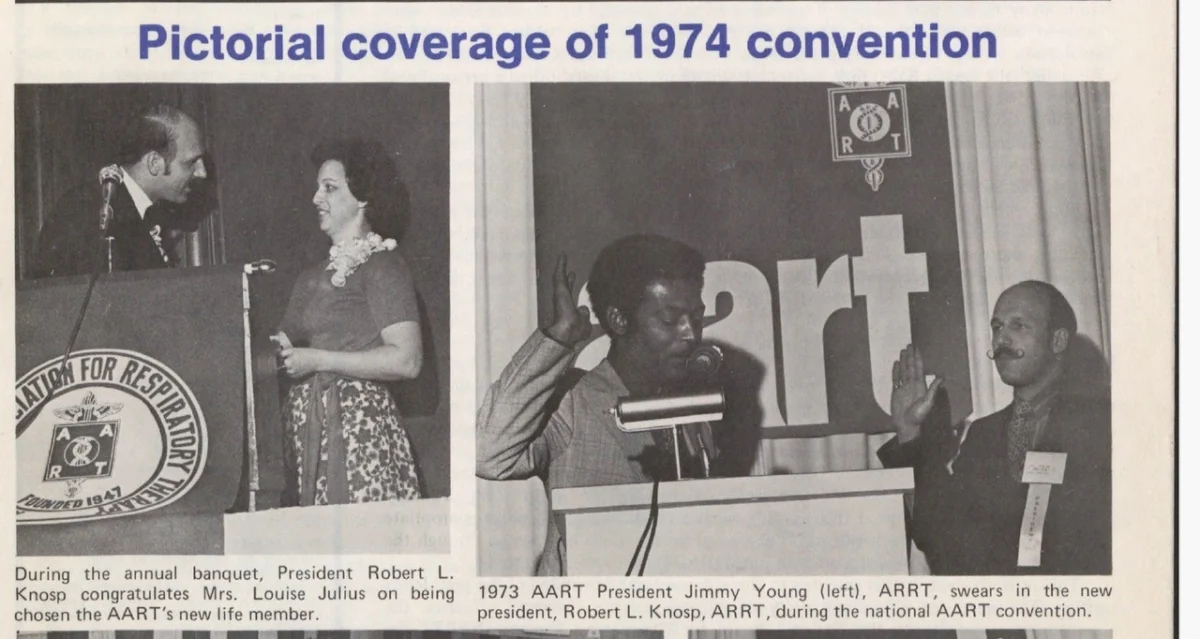
The respiratory care profession is defined by the critical, often life-saving work performed at the bedside. Yet, behind the scenes, the evolution of the field into a sophisticated, evidence-based medical discipline has been driven by leaders who looked beyond their daily tasks to shape policy, education, and clinical standards. At the pinnacle of this advocacy stands the Jimmy A. Young Award, the American Association for Respiratory Care’s (AARC) highest honor. Named for the late AARC president whose life’s work was synonymous with professional advancement, the award recognizes individuals who have demonstrated a lifetime of sustained, meaningful contributions to the respiratory care community.
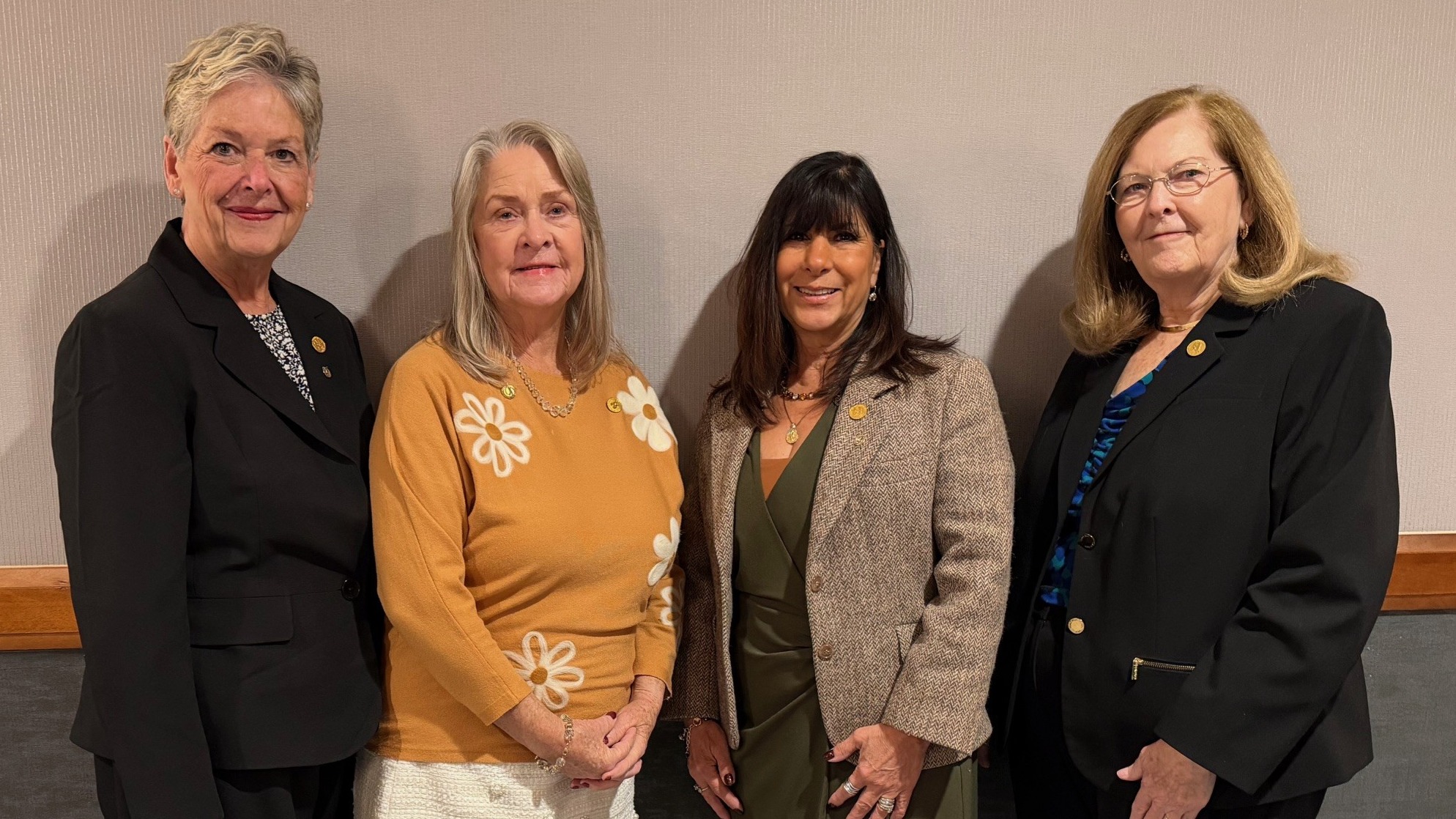
In a landmark retrospective, Lisa Weisenberger, AARC Director of Content and Communications, facilitated a dialogue with four of the five women who have received this prestigious accolade: Dianne Lewis, MS, RRT, FAARC (2025); Trudy Watson, BS, RRT, FAARC (2018); Margaret Traband, MEd, RRT, FAARC (2011); and Teresa Volsko, MBA, MHHS, LSSBB, RRT, FAARC (2020). Joining the ranks of these luminaries is the late Louise Julius, who received the award in 1988 alongside her husband, John. This conversation serves as a bridge between the founding generations of respiratory therapy and the future of the field, highlighting the changing landscape of leadership and the enduring power of mentorship.
A Legacy of Service: The Foundation of Leadership
The journey toward the Jimmy A. Young Award is rarely a straight line; it is a marathon of service that begins long before national recognition is considered. For these leaders, the path was forged through decades of involvement in local societies, national committees, and legislative advocacy.
Dianne Lewis, the 2025 recipient, traces her influence back to the House of Delegates—the legislative body of the AARC. Her tenure was defined by her work on the Clinical Practice Guidelines Steering Committee, a pivotal moment in the history of the profession. "My group wrote and published the first clinical practice guideline for the association," Lewis reflects. This wasn’t merely an administrative task; it was a foundational step toward standardizing care across the United States, ensuring that patients in every corner of the country received the same high level of evidence-based intervention.
For Margaret Traband, who began her AARC journey in 1972, the evolution of the field is inextricably linked to grassroots engagement. "We began with our state societies," she explains. "You don’t do it looking for what else you need to check off a list to get an award. You’re just moving ahead where you think you can do the most good." This philosophy—acting out of a genuine desire for systemic improvement rather than personal prestige—is a common thread among all the recipients.
Chronology of Change: Breaking the Glass Ceiling
While women now comprise a significant majority of the respiratory therapy workforce, the historical narrative of the profession’s leadership was, for decades, dominated by men. The trajectory of these women reflects a broader societal shift in medical leadership.
In the late 1970s and early 1980s, the environment was vastly different. Teresa Volsko recalls a climate defined by scarcity, where women were often pitted against one another for the few "seats at the table" allocated to them. "In 1979, if you were invited to the table, you didn’t dare bring another woman up with you because there was only one or two seats," Volsko explains. The competitive nature of the environment was a survival mechanism born out of systemic limitation.
However, as these women ascended to leadership positions, they actively worked to dismantle that scarcity mindset. The shift from a "gatekeeper" mentality to a culture of mentorship has been one of the most significant evolutions in the AARC’s history. Volsko notes, "Now we have the power to change that landscape from being competitive to really lifting each other up." This transformation has been instrumental in ensuring that the next generation of respiratory therapists has the support structures necessary to pursue executive roles, clinical research, and academic leadership.
Supporting Data: The Professional Roadmap
During their discussion, the honorees synthesized decades of experience into a practical roadmap for emerging respiratory therapists. Their advice centers on three pillars: networking, rigorous preparation, and bedside leadership.
1. Mastering the Art of Networking
Trudy Watson emphasizes that influence is built on trust and visibility. It is not enough to be a competent clinician; one must be a known entity within the broader medical ecosystem. "Get involved so your name is known and you are trusted within your own organization," Watson advises. She encourages RTs to look beyond the hospital walls, engaging with organizations like the American Lung Association and local professional chapters to build a reputation that precedes them.
2. The Mandate of Being Over-Prepared
The standard for clinical excellence has always been high, but the pioneers of the 1970s and 80s viewed research and study as non-negotiable. Margaret Traband recalls the "Journal Clubs" of her early career—informal but rigorous gatherings where therapists would dissect the latest clinical research. "Being over-prepared is status quo for most of us," Traband says. "You have to be well-versed, so you don’t come off half-prepared." This commitment to lifelong learning remains the best defense against professional stagnation.
3. Leading from the Bedside
Perhaps the most crucial lesson shared is that leadership is a function of impact, not a title. Teresa Volsko urges newer therapists not to wait for a promotion to act as a leader. "Don’t let the fact that you have the title of a clinical respiratory therapist stop you from doing great things," Volsko states. "Lead where you are." Whether it is mentoring a student, advocating for a new protocol, or improving patient safety, every therapist has the potential to influence the culture of their department.
Official Perspectives: The Future and the Strain
The profession of respiratory therapy stands at a crossroads. As the population ages and the demand for cardiopulmonary care grows, the field is poised for significant expansion. Dianne Lewis points out that the next decade offers an abundance of career opportunities for those entering the field. However, this growth brings with it a logistical hurdle: recruitment. Trudy Watson identifies the primary challenge as "finding the students to fill the seats in the classroom" to meet the projected workforce demand.
Furthermore, the post-pandemic reality has brought the specter of professional burnout to the forefront. The intensity of the COVID-19 pandemic, while highlighting the vital nature of the RT profession, also took a heavy toll on practitioners. Margaret Traband provides a poignant perspective on how to sustain oneself amidst this pressure: "The further away you get from the bedside, the less positive reinforcement happens. Take the time to reflect at the end of the day. Know that you’ve alleviated breathlessness and calmed patients. Steep in that moment."
Implications: A New Era of Advocacy
The legacy of the Jimmy A. Young Award recipients serves as more than just a historical record; it is a blueprint for the future. The implications of their work are clear: the respiratory care profession will continue to evolve only if practitioners are willing to be advocates for their patients and their peers.
As the industry faces the challenges of technological integration, workforce shortages, and the mental health demands of healthcare workers, the lessons imparted by Lewis, Watson, Traband, and Volsko remain highly relevant. They demonstrate that the profession is not merely a job but a calling that demands clinical excellence, the courage to lead, and the wisdom to mentor those who will follow.
The Jimmy A. Young Award, therefore, acts as a symbol of continuity. By recognizing these women, the AARC is not only celebrating their individual careers but also validating the collective strength of the thousands of women and men who define the standard of care today. As these leaders look toward the horizon, they do so with a confidence born of experience, reminding the next generation that the most powerful tool a respiratory therapist possesses is the ability to show up—at the bedside, at the table, and for the profession.
Ultimately, the future of respiratory care relies on a delicate balance: the technical precision required for acute care, and the humanistic leadership required to move a profession forward. If the careers of these four women are any indication, the future of the field is in capable, compassionate, and exceptionally prepared hands.