








The landscape of the American pharmaceutical industry is bracing for a potential paradigm shift as the Trump administration signals a move to impose aggressive tariffs—reportedly as high as 200%—on imported generic medications. While previous trade maneuvers primarily targeted brand-name pharmaceutical giants, often resulting in negotiated concessions and manufacturing investment pledges, this new focus on the copycat drug sector threatens to disrupt the thin-margin business model that sustains the U.S. supply of affordable medicine.
As investors digest the news, the volatility in the markets has been immediate, with major generic manufacturers seeing their share prices retreat as analysts scramble to calculate the downstream effects of such a protectionist policy.
Main Facts: A New Front in Drug Pricing Policy
The Trump administration’s strategy toward the pharmaceutical sector has consistently relied on the "carrot and stick" approach, using the threat of levies to force industry players to the negotiating table. To date, this strategy has been effective in extracting high-profile manufacturing commitments. In the past 18 months alone, several major brand-name drugmakers have pledged tens of billions of dollars to bolster domestic U.S. manufacturing capacity, citing the administration’s trade policies as a primary driver.
However, the proposed shift toward a 200% tariff on generic drugs represents a significant departure from previous tactics. Unlike the high-margin world of patented brand-name drugs, where price points can absorb moderate trade-related costs, the generic sector operates on razor-thin margins. Industry experts warn that such a significant levy would not merely be a "cost of doing business," but rather a fundamental threat to the economic viability of importing essential, low-cost therapeutics.
Chronology: From Negotiation to Confrontation
The administration’s current stance is the culmination of a multi-year effort to bring the pharmaceutical supply chain back to American soil.
- Early 2025: Following a series of executive orders, the White House began high-level discussions with "Most Favored Nation" (MFN) partners, pressuring them to lower U.S. drug prices in exchange for tariff exemptions.
- Late 2025: Seventeen pharmaceutical companies entered into voluntary MFN agreements. While these deals made headlines, subsequent data revealed they applied to a limited number of drugs—many of which already faced generic competition—resulting in only nominal savings for the American consumer.
- Q1 2026: Disappointed by the lack of significant consumer savings, the administration signaled a pivot toward more aggressive trade tools.
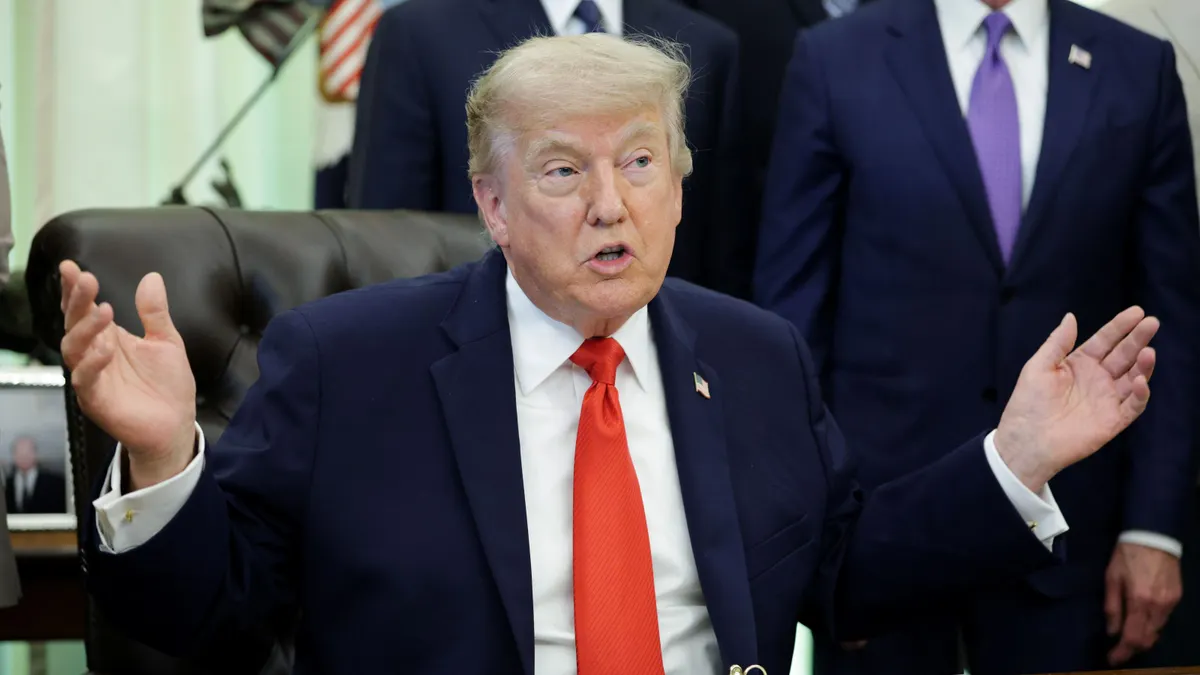
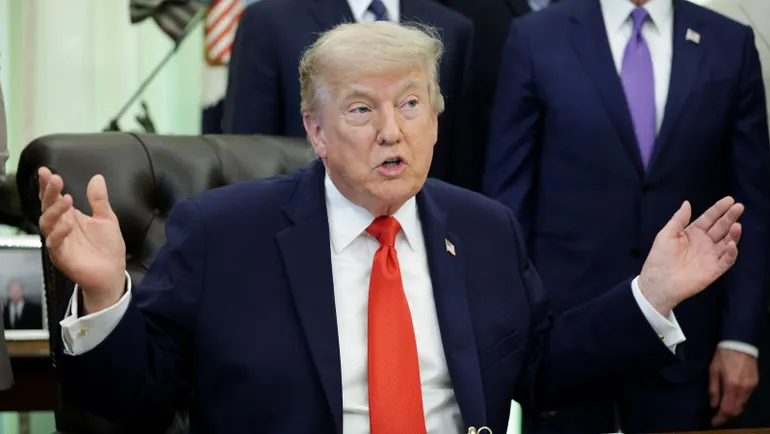
- June 2026: President Trump signaled in an Oval Office address that the "era of easy entry" for foreign-made generic drugs might be ending, framing it as a national security issue.
- July 2026: Market reaction intensified as rumors of the 200% tariff leaked, causing a sharp sell-off in generic pharmaceutical stocks and prompting urgent meetings between industry trade groups and the administration.
Supporting Data: The Margin Dilemma
The primary concern among economists and healthcare policy analysts is the structural vulnerability of the generic market. A 2025 report from the Brookings Institution highlighted that the generic pharmaceutical industry relies on a global, complex supply chain to keep costs low. Because generic drugs are commoditized, manufacturers have very little pricing power.
If a manufacturer is faced with a 200% tariff on a product that already operates on a profit margin of 5–10%, the financial math becomes untenable. According to financial analysts at Jefferies, the impact will be uneven. Firms like Amphastar Pharmaceuticals and ANI Pharmaceuticals, which maintain a higher degree of domestic production, may be partially shielded. In contrast, companies like Apotex, which rely heavily on international manufacturing footprints, face a "existential risk" if the tariff is applied to the final product.
The market’s reaction on Wednesday morning underscored this fear:
- Apotex: Shares plummeted 9% in early trading.
- Dr. Reddy’s Laboratories: Stock prices fell 7%.
- Sandoz: American depositary receipts (ADRs) saw a 3% decline.
Official Responses and Industry Stance
The Association for Accessible Medicines (AAM), the leading trade group representing the generic and biosimilar industry, has adopted a cautious but firm tone. John Murphy, the AAM’s president and CEO, acknowledged that the industry has indeed expanded its U.S. footprint over the past two years, but he warned that the current proposal ignores the deeper systemic issues.
"Our industry has grown significantly in the U.S. over the past two years through targeted investments across the supply chain," Murphy stated. "However, structural problems in both purchasing and reimbursement for many generic drugs remain a significant inhibitor to the growth of this sector in the U.S."
The AAM has indicated a willingness to engage in dialogue, framing the generic industry as a "critical national security asset." By aligning their interests with the administration’s broader goals of supply chain resilience, the AAM is attempting to shift the conversation from "taxing imports" to "subsidizing domestic production." They argue that a tariff-heavy approach will only create a supply vacuum that the domestic industry is not yet equipped to fill.
Implications: Quality, Cost, and Access
The potential fallout of this policy extends far beyond stock prices. If the proposed tariffs are enacted, the implications for the U.S. healthcare system are twofold:

1. Risk of Drug Shortages
If the cost of importation becomes prohibitive, manufacturers may decide to discontinue certain products. In the generic market, where drugs are often produced by only a handful of suppliers, the exit of even one or two players can trigger immediate and widespread shortages. This would leave hospitals and pharmacies scrambling to find alternatives, potentially endangering patient care for chronic conditions.
2. The Quality-Cost Trade-off
There is a legitimate fear that in a desperate bid to remain profitable under a 200% tariff, manufacturers might resort to aggressive cost-cutting measures. This could lead to a decline in quality control, the use of cheaper raw materials, or a reduction in regulatory oversight. As the Brookings report noted, the pressure to "squeeze" costs out of an already lean process often leads to manufacturing shortcuts that are difficult to detect until a crisis occurs.
3. The Definition of "Finished Product"
Analysts are closely watching the fine print of the proposal. If the tariff only targets "finished dose" products—pills already in bottles—companies may pivot to importing active pharmaceutical ingredients (APIs) and finishing the manufacturing in the U.S. While this would satisfy the administration’s desire for domestic labor, it would not happen overnight. The lead time to set up, validate, and license new manufacturing lines in the U.S. is measured in years, not months.
Conclusion
As the Trump administration continues to weigh its options, the generic pharmaceutical industry remains in a state of high alert. While the goal of fostering a self-reliant domestic drug industry is broadly supported, the method of achieving that goal via massive tariffs remains highly controversial.
The coming months will likely see intense lobbying efforts, as the administration must weigh the political benefits of "America First" manufacturing against the pragmatic risk of destabilizing the nation’s drug supply. For now, the generic sector is caught in the crosshairs, forced to balance the promise of long-term investment with the immediate threat of a policy that could render their current business models obsolete. The final decision will serve as a definitive test of whether the administration’s trade-centric approach to healthcare can deliver on its promises without compromising the accessibility and safety of the medicines that millions of Americans rely on daily.