








The intersection of public policy, individual health, and planetary sustainability has rarely been as critical as it is today. As we move further into the 2020s, the global conversation surrounding food security, nutrition-related chronic diseases, and the environmental impact of our dietary habits has shifted from the periphery to the center of national agendas.
A pivotal moment in this evolution occurred throughout 2022, a year defined by a renewed federal commitment to addressing systemic failures in the American food landscape. At the forefront of this movement was the White House Conference on Hunger, Nutrition, and Health—a landmark event that sought to harmonize public health goals with the realities of modern food production. As we look toward the 2030 targets set by these national strategies, experts are calling for a more holistic approach that bridges the gap between policy and practice.
The White House Conference: A New National Strategy
For the first time since 1969, the United States convened a national conference dedicated to the eradication of hunger and the improvement of nutrition. The objective was ambitious: to end hunger and increase healthy eating and physical activity by 2030. The resulting strategy, spearheaded by the Biden-Harris administration, introduced a multi-pronged approach to these systemic issues.
The plan emphasizes several high-impact areas, including:
- Expansion of Nutrition Assistance: Enhancing the reach and efficacy of programs like SNAP (Supplemental Nutrition Assistance Program) to ensure vulnerable populations have consistent access to high-quality calories.
- Medically Tailored Meals: A significant policy shift involving the integration of medically tailored meals into Medicare coverage, acknowledging the role of food as a fundamental component of disease management.
- Institutional Reform: Creating environments—within schools, hospitals, and workplaces—that prioritize nutritional density over convenience.
However, the strategy has not been without its critics. Experts from the Harvard T.H. Chan School of Public Health, including Drs. Frank Hu, Walter Willett, and Lilian Cheung, have raised concerns regarding the "blind spots" in the current federal roadmap.
Chronology of the 2022-2023 Nutritional Shift
To understand the current state of public health nutrition, one must look at the timeline of events that shaped the past year’s policy discourse:
- Early 2022: Rising inflation and supply chain disruptions highlight the fragility of the U.S. food system, bringing issues of "food deserts" and "food swamps" into sharper focus.
- September 2022: The White House Conference on Hunger, Nutrition, and Health convenes, marking the first such event in over half a century.
- Late 2022: The National Strategy is officially published, outlining the federal government’s blueprint for the next eight years.
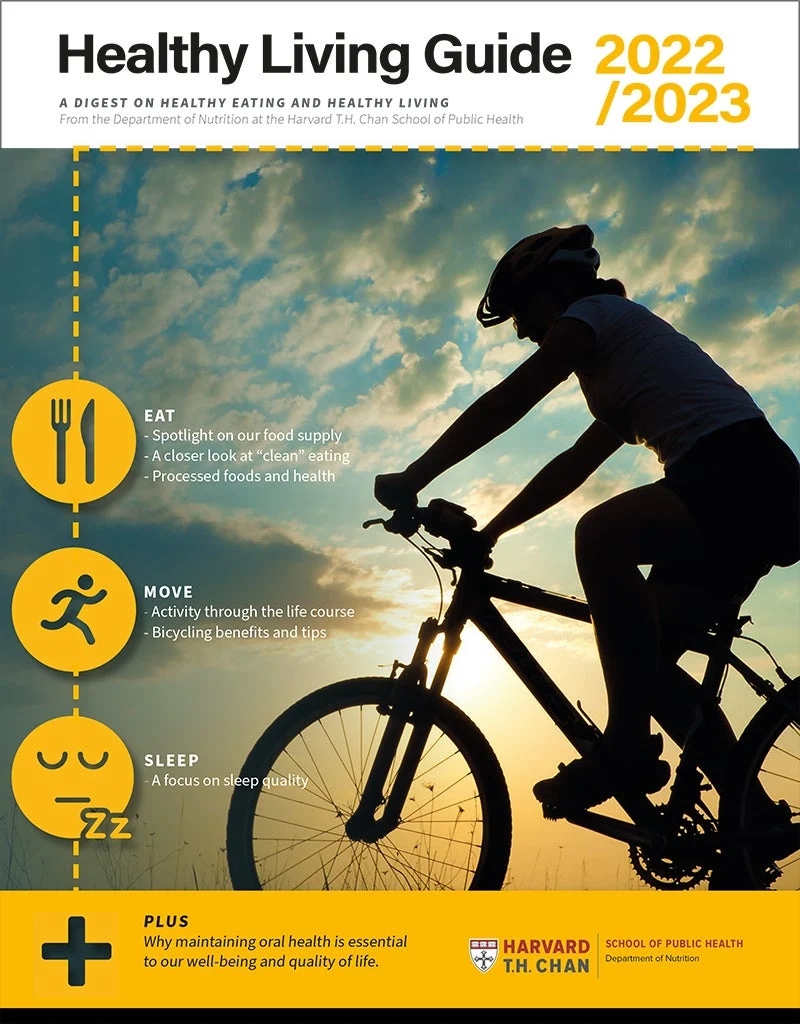
- Early 2023: Public health organizations, including the Harvard Nutrition Source, release their annual Healthy Living Guide, designed to translate these macro-level policy goals into actionable daily habits for individuals.
- Ongoing: The implementation phase begins, with state and local governments tasked with executing federal guidelines tailored to their specific regional demographic needs.
Supporting Data: The Case for Urgent Change
The impetus for this national strategy is grounded in sobering statistics. According to data tracked throughout 2022, diet-related chronic diseases—including cardiovascular disease, type 2 diabetes, and certain cancers—remain the leading causes of death and disability in the United States.
Furthermore, the economic burden of these conditions is staggering. Health care costs associated with poor diet are estimated in the hundreds of billions of dollars annually. When combined with the societal costs of food insecurity—which affects millions of households, particularly those with children—the urgency for systemic reform becomes clear.
The Harvard Department of Nutrition emphasizes that while federal aid is a necessary foundation, the strategy must evolve to address "invisible" threats. For instance, the prevalence of ultra-processed foods in the American diet has been linked to a variety of metabolic disorders, yet the current national strategy lacks robust policies to curb the aggressive marketing of these products to children.
Official Responses and Expert Critique
While the administration’s strategy represents a monumental step forward, the scientific community remains cautious. The primary criticism from institutions like Harvard is the omission of two critical pillars: food marketing regulation and climate-conscious agriculture.
"To have a significant impact, the administration must bring together the public and private sectors, along with philanthropists, academia, and individuals to develop truly sustainable food systems that support both public and planetary health," noted Drs. Hu, Willett, and Cheung in their post-conference analysis.
The experts argue that it is insufficient to address hunger if the food being provided is nutritionally bankrupt. Furthermore, they posit that the climate crisis is inextricably linked to food security. A food system that ignores soil degradation, water scarcity, and the high carbon footprint of industrial livestock farming is, by definition, not sustainable for the 2030 horizon.
Implications: The Path Toward 2030
The implications of these policies extend far beyond the legislative halls of Washington. For the average citizen, the shift means a potential increase in the availability of fresh produce, better labeling, and, hopefully, a shift in the cultural zeitgeist toward health-conscious living.
However, the burden of change cannot rest solely on federal agencies. As emphasized in the 2023 Healthy Living Guide, individual agency remains a vital component of the health equation. By adopting sustainable behaviors—reducing intake of processed sugars, increasing plant-based protein consumption, and maintaining physical activity—individuals create the demand signal that forces the private sector to adapt.
Small Changes, Large Impacts
The Healthy Living Guide (available for download via the Harvard Nutrition Source) serves as a bridge between high-level policy and the dinner table. It suggests that even minor shifts—such as choosing whole grains over refined carbohydrates or swapping sugary beverages for water—have a cumulative effect on long-term health outcomes.
Bridging the Gap: What Can Be Done Now?
As we look toward the middle of the decade, the focus must shift from policy formation to policy implementation. This requires three distinct actions:
- Public-Private Synergy: Corporations must be held accountable for the health impact of their products. This includes moving toward clearer labeling and reducing the marketing of nutrient-poor foods to minors.
- Academic-Government Collaboration: Continued, rigorous research must inform federal dietary guidelines. The 2020-2025 Dietary Guidelines for Americans are a good start, but they must be continuously updated to reflect the latest findings in nutritional epidemiology.
- Individual Empowerment: Knowledge is the ultimate tool for health. By utilizing resources like the Healthy Living Guide, citizens can better navigate the complex, often misleading, landscape of modern food labeling and marketing.
Conclusion: A Call to Action
The 2022 White House Conference was a necessary wake-up call. It acknowledged that the status quo is insufficient to meet the health challenges of the 21st century. However, as noted by the leading experts in the field, we are only at the beginning of a long process.
The goal of ending hunger and improving national health by 2030 is achievable, but it requires a level of collaboration that transcends political and institutional boundaries. Whether it is through the expansion of nutrition assistance, the integration of food into our medical system, or the individual commitment to better eating habits, every effort counts.
As we progress through 2023 and beyond, we are encouraged to remain informed and proactive. The transition to a healthier society is not a singular event, but a continuous journey defined by the choices we make every day. By focusing on sustainable systems and evidence-based nutrition, we can ensure that future generations inherit a world where health is not a privilege, but a standard reality for all.
For those interested in diving deeper into these topics, the Harvard Nutrition Source provides ongoing updates, downloadable tip sheets, and comprehensive articles designed to support your journey toward optimal health. Accessing these resources is an excellent first step in navigating the complexities of modern nutrition.